


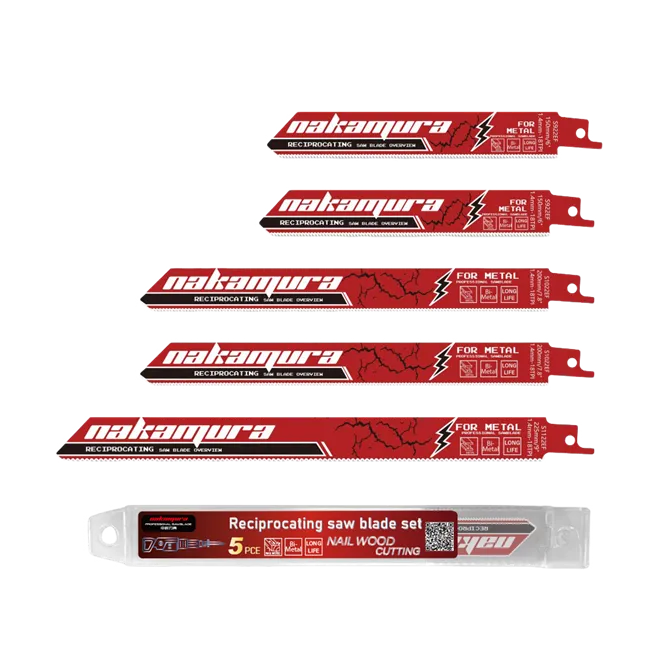
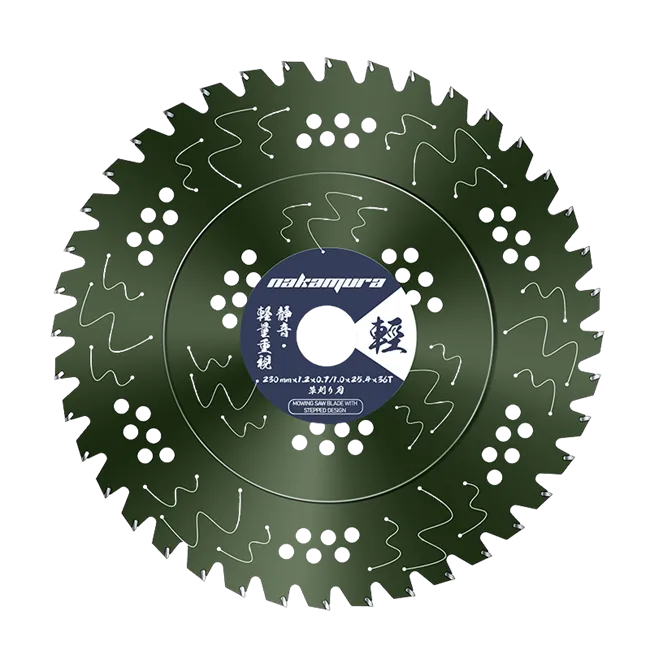
- Japanese saws cut on the pull stroke, keeping the blade under tension, allowing it to be much thinner (narrow kerf).
- American (Western) saws cut on the push stroke, needing a thicker blade or strengthening rib to resist buckling.
Kerf & Efficiency
Thinner kerf in Japanese saws means less wood removed, lighter cutting, and increased efficiency.
Western saws cut wider, requiring more effort but offering greater strength.
Blade Strength & Durability
- Japanese saws are lightweight and precise, but their thin blades and brittle, hardened teeth make them more susceptible to bending or chipping, especially on hardwood.
- Western blades are sturdier and more durable, better suited for tough materials and heavy use.

Sharpening & Maintenance
- Western saws can be resharpened by users with basic tools; vintage blades can last generations.
- Japanese saws often have disposable, hardened blades; sharpening is difficult-even blade replacements are common, especially for mass-produced models.
Go Japanese for precision, thin cuts, softwoods, and budget-friendly, ready-to-use tools. Choose Western for durable performance, hardwoods, and long-term value. Many woodworkers maintain both: Japanese pull saws for fine tasks, and Western push saws for strength and versatility.
