

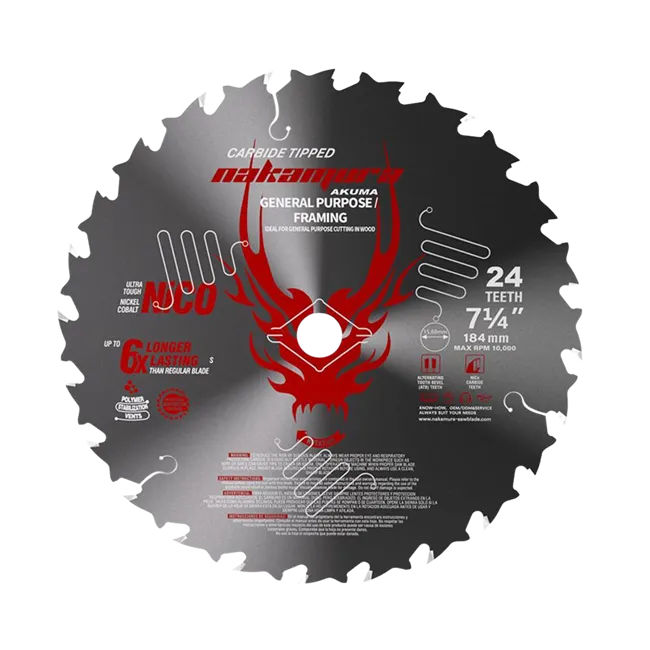
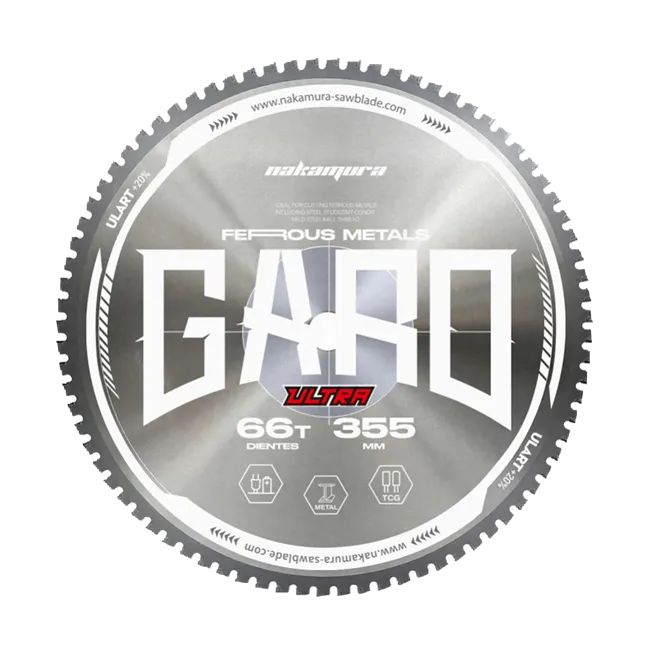
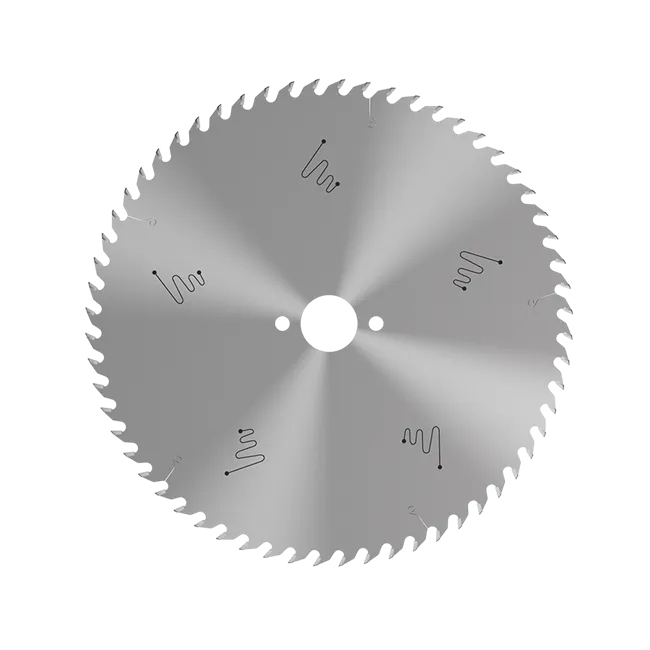
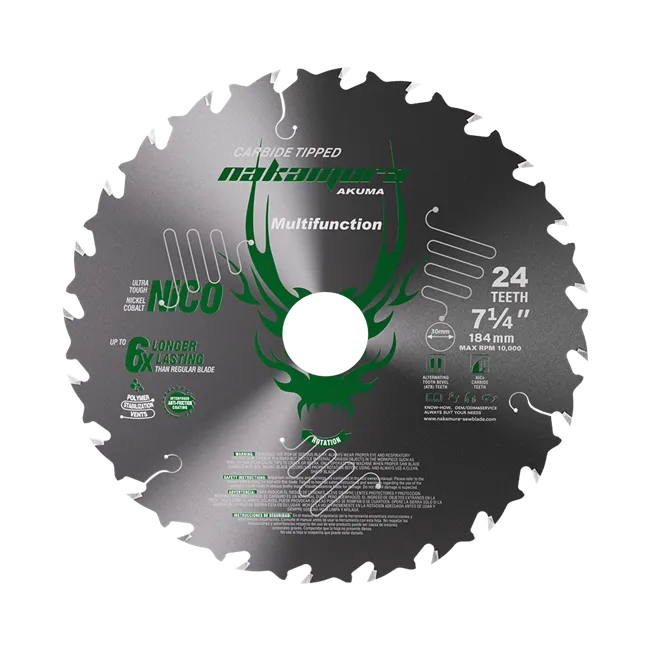

Cermet = Ceramic + Metal composite
These blades combine the hardness and heat resistance of ceramics with the toughness of metal. "Cermet" tips are typically made from materials like titanium carbide or titanium nitride, often used as an alternative to traditional tungsten carbide tips.
Common Uses:
- Steel cutting: Effective for mild steel, stainless steel, and sheet metal.
- Non-ferrous metals: Great for aluminum, copper, and brass with smooth, burr-free results.
- Dry-cutting systems: Perfect for cold saws or low-RPM dry metal saws without the need for coolant.
- Tube and pipe cutting: Useful in plumbing, structural steel work, and fabrication.
- High-volume production: Long lifespan and consistency make them ideal for industrial lines.

Advantages:
- High heat resistance: Withstands extreme temperatures without degrading.
- Longer blade life: Wears more slowly than carbide blades, reducing replacements.
- Cleaner cuts: Produces fewer burrs, burns, and discoloration-ideal for finish-quality results.
- Low spark generation: Safer for dry cutting and indoor environments.
- Reduced noise and vibration: Smoother, quieter operation helps reduce operator fatigue.
- Corrosion resistance: More chemically stable than tungsten carbide under heat.
Factory Case Study - Cermet vs. Carbide in Production
An older yet powerful case study from AZoM detailed how cermet-tipped saws drastically outperformed carbide blades in a high-throughput slat production mill:
- Cermet blades cut 30 slats per cycle, versus just 14 with carbide-more than double the productivity.
- Enormous efficiency gains: the mill could eventually cut twice as much material in half the time, with cleaner results and lower labor and tooling costs.
- Despite costing double, the cermet blades offered 5× the value through longer life and fewer blade changes.

Considerations:
- Higher cost upfront than standard carbide blades.
- Not ideal for extremely hard or abrasive materials (e.g., hardened steel, concrete).
- Best performance achieved with appropriate cutting speed (e.g., cold saws or low-RPM saws).