



1. The Five Biggest Killers of Premature Saw Blade Failure
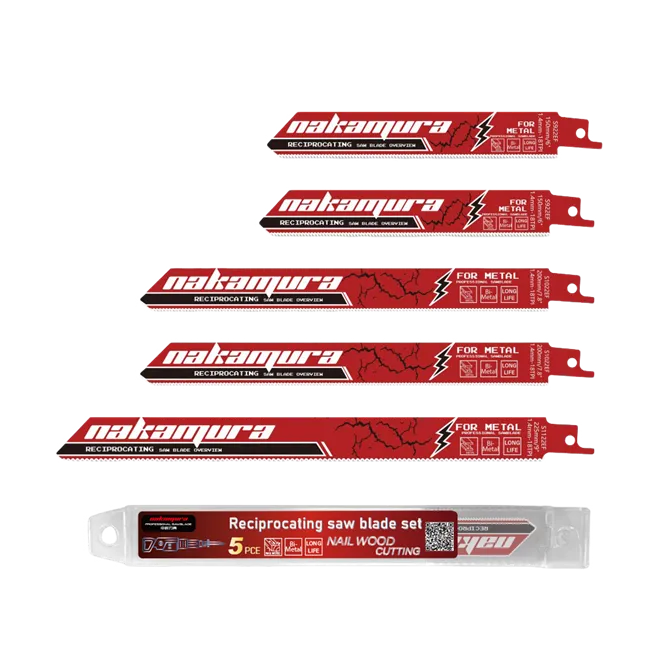
- Inadequate Cooling. A significant proportion of premature saw blade failures are linked to cooling system issues. If the heat generated during cutting isn't removed promptly, it accelerates wear at best - and at worst, causes blade annealing and hardness loss. The coolant spray angle is equally critical: aim at the tooth gullet rather than the tooth tip to effectively cover the entire cutting zone.
- Improper Feed Speed. Feed too fast and the teeth will overload and chip; feed too slow and excessive friction heat will accelerate wear.
- Mismatched Tooth Geometry. Using the wrong tooth geometry exponentially accelerates wear. Different metals demand distinctly different tooth designs - aluminum calls for TCG (triple-chip grind) teeth, while steel requires a denser tooth pitch.
- Improper Storage. Stacking blades damages tooth tips and deforms the blade body; humid environments cause rust and shorten the rust-prevention cycle.
- Neglecting Resharpening. Continuing to use a dull blade without timely resharpening accelerates tooth chipping. A single blade can typically be resharpened multiple times, each time effectively extending its service life.
2. The Five-Step Saw Blade Maintenance Method
- Cooling System Inspection. Ensure adequate coolant flow and correct spray angle (aim at the tooth gullet, not the tip - 45°-60° is recommended), with pressure at 5-7bar and flow rate at 8-12L/min.
- Feed Parameter Optimization. Select the appropriate feed speed based on material hardness. Stop immediately for inspection if you hear abnormal noise.
- Regular Resharpening. When the cut surface becomes rough, burrs increase, or cutting noise rises, resharpening with a professional grinding machine is needed. Each resharpening removes 0.1-0.2mm of tip thickness - ensure sufficient remaining thickness before proceeding.
- Proper Storage. Store blades vertically on dedicated racks, avoiding stacking and humid environments (humidity recommended below 60% RH).
- Regular Body Condition Inspection. Saw blade bodies accumulate internal stress during use. Regularly check the blade body's flatness and runout. If deformation or excessive stress is detected, stress relief treatment should be performed by a professional manufacturer. In daily use, avoiding overload cutting and severe impact helps minimize stress accumulation.
3. Nakamura's Maintenance Recommendations
Nakamura recommends that customers establish a "Saw Blade Maintenance Record" for each blade, documenting cutting hours, resharpening count, and replacement date. This not only extends blade life but also provides data-driven insights for procurement decisions.
For different blade types, Nakamura offers the following specialized products:
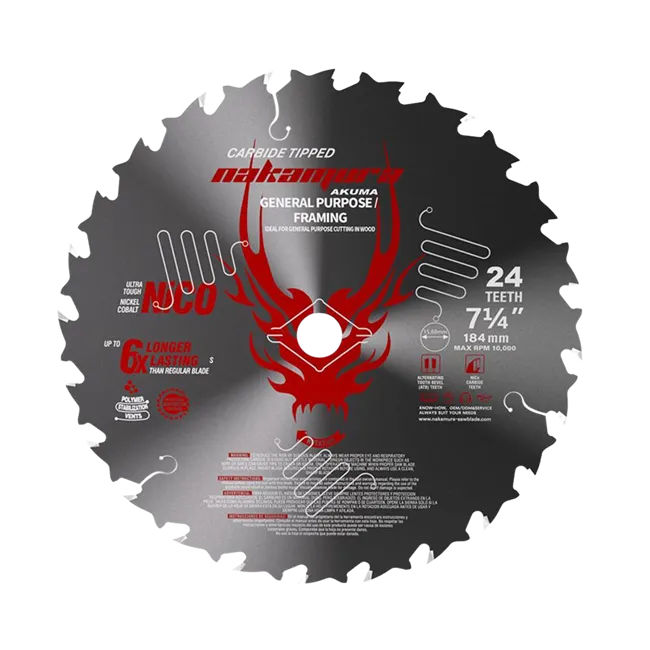
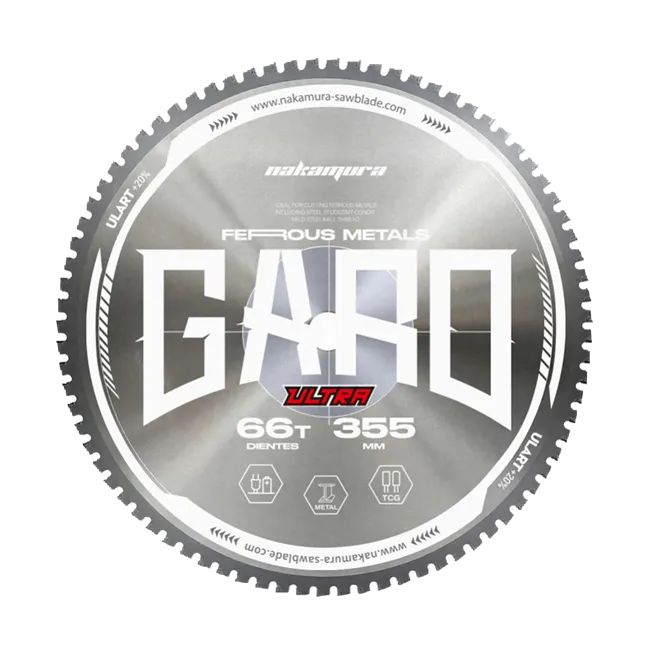
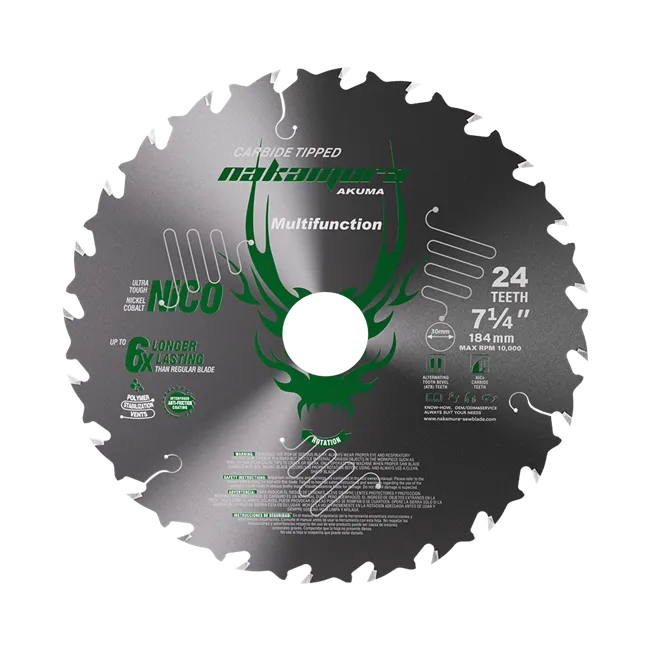
- Nakamura Carbide Circular Saw Blades - Engineered with heat dissipation slots, non-stick coatings, and heat-resistant carbide tips to effectively control chip accumulation, limit heat generation, and minimize burrs. Ideal for high-volume cutting of stainless steel, aluminum, and various metal profiles.
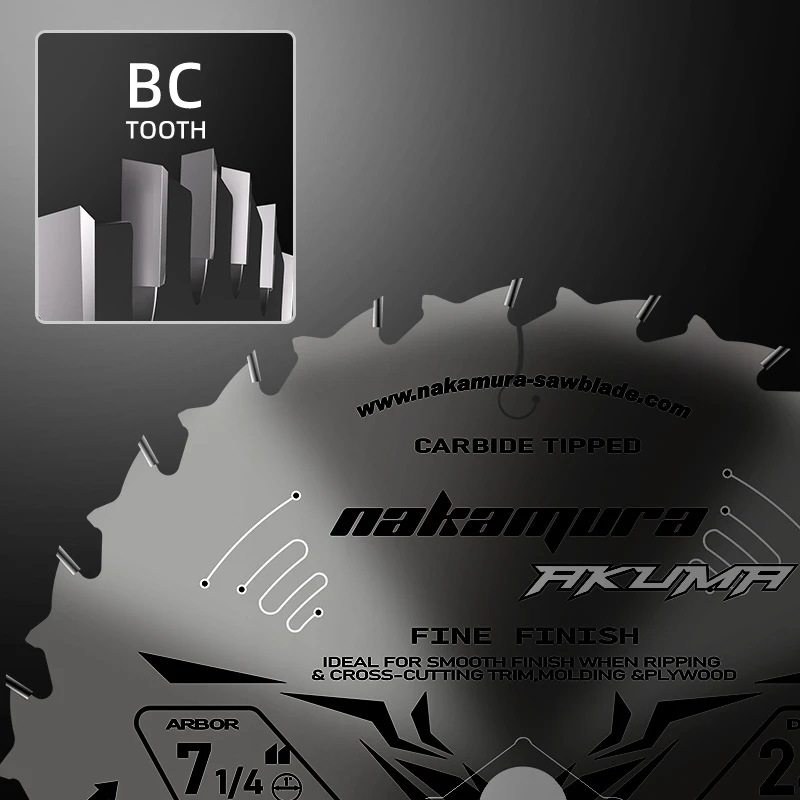
- Nakamura Carbide Tipped Saw Blades - Molybdenum-enriched design effectively suppresses tooth chipping, making them suitable for intermittent cutting and unstable working conditions. Particularly well-suited for carbon steel, alloy steel, and tube cutting.
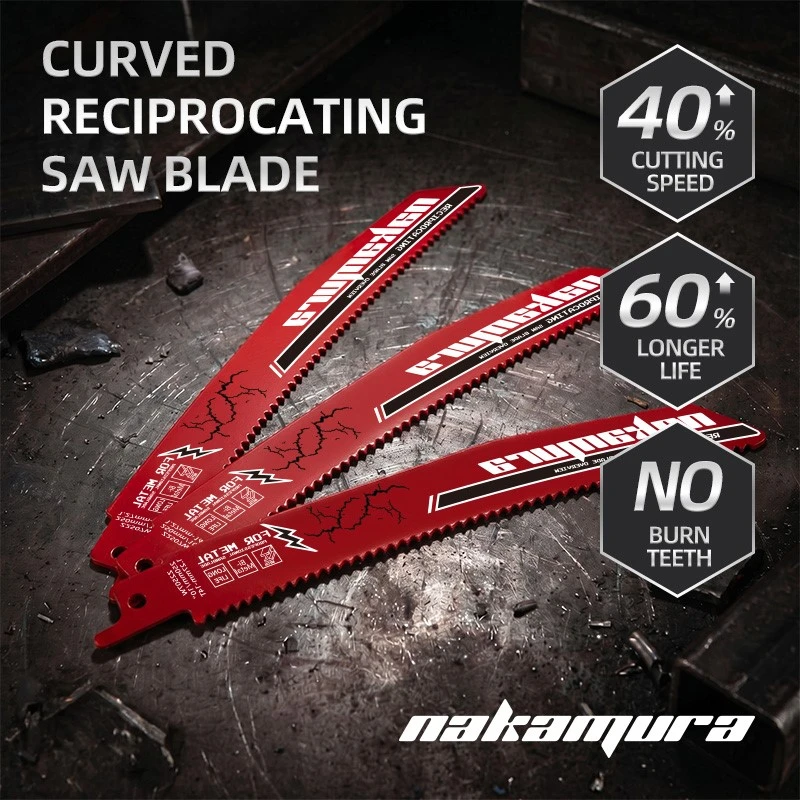
- Nakamura Arc Edge 6 TPI Reciprocating Saw Blade - Bi-metal construction combining the sharpness of a high-speed steel cutting edge with the toughness of a spring steel backing, with 8% cobalt content for extended service life. Built for heavy demolition and demanding cutting tasks, delivering maximum flexibility and cutting power.
4. Maintenance Is an Investment, Not a Cost
One proper resharpening can extend blade life by 30%. A scientific maintenance routine can reduce annual blade procurement costs by over 40%.Nakamura - Great blades deserve great maintenance. Great maintenance makes great blades.