

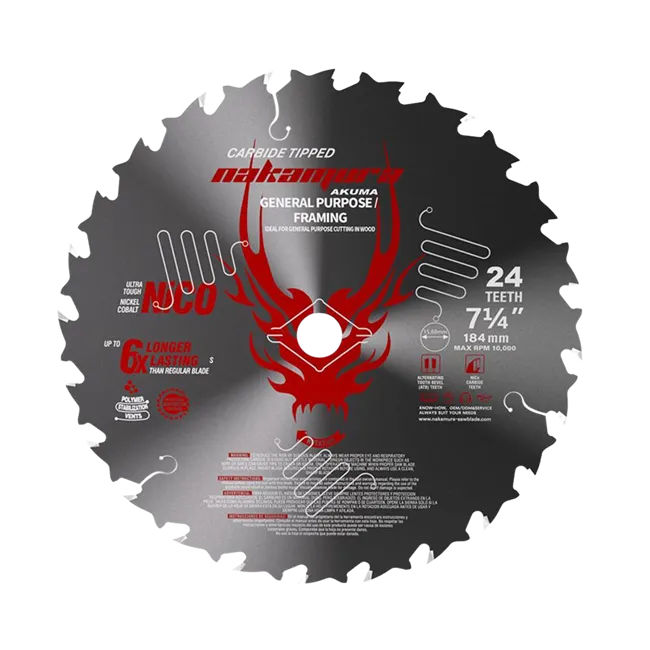
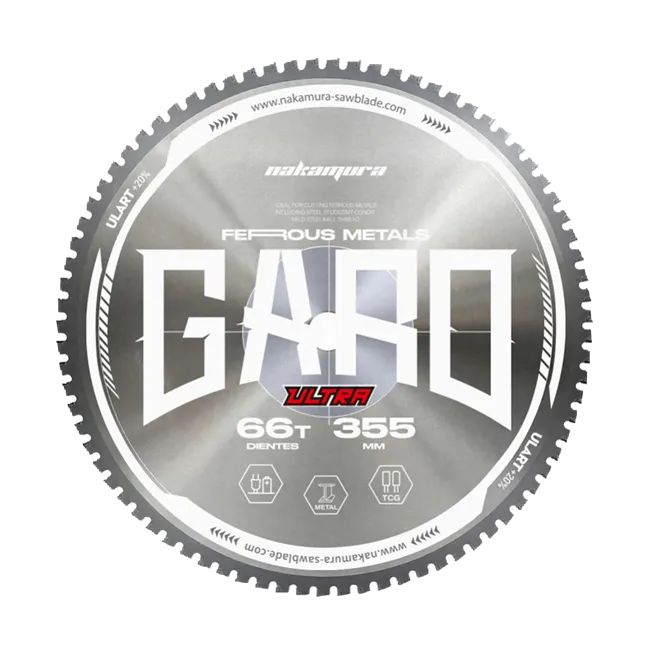
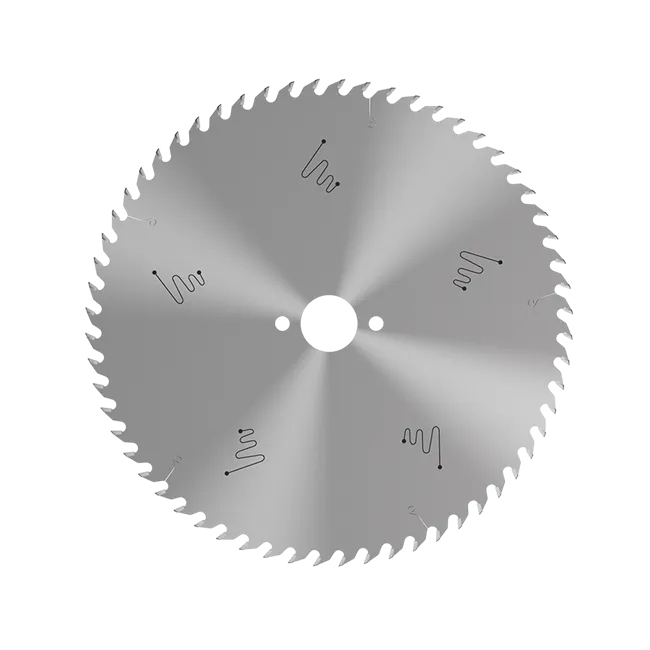
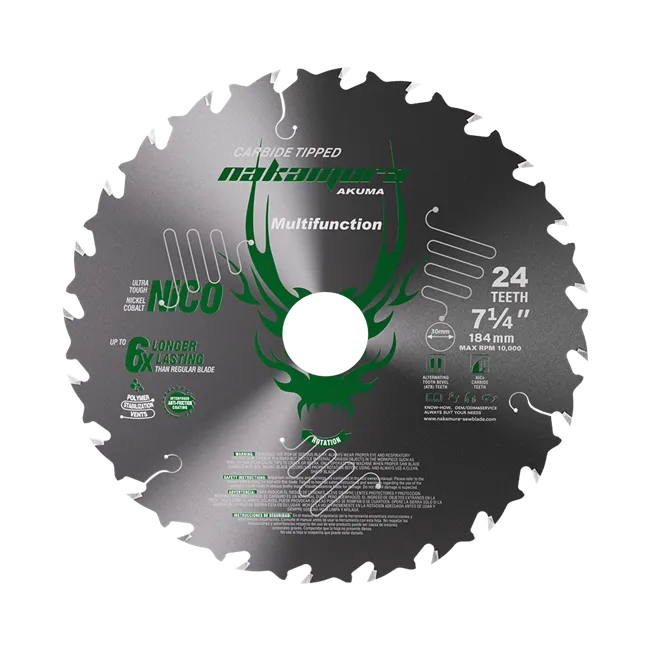

In many metal fabrication shops, one common mistake is still being repeated: using one saw blade to cut every type of metal.
Today the blade cuts stainless steel pipe. Tomorrow it cuts aluminum profiles. The next day it cuts carbon steel bar. At first, this may look convenient. Over time, the hidden problems become clear: more burrs, higher heat, faster tip wear, more frequent blade changes, heavier machine load, and less stable production.
"Metal" is not one material. Stainless steel, aluminum alloy, carbon steel, and mixed demolition materials have very different cutting behavior. They require different tooth geometry, tip material, coating, chip clearance, RPM, and feed control. Using the wrong blade may save money on the first purchase, but it often increases total cutting cost.
Stainless steel cutting: heat, adhesion, and work hardening
Stainless steel is not only difficult because it is hard. The real challenges are toughness, lower thermal conductivity, work hardening, and heat concentration around the cutting edge.If the blade geometry, tip material, and cutting parameters do not match the material, stainless steel cutting can create heat build-up, burrs, built-up edge, edge discoloration, chipping, and shorter blade life. Thin-wall stainless steel tubes, square tubes, and decorative stainless profiles are especially sensitive to burrs and edge quality.
The Nakamura Stainless Steel Cutting Circular Saw Blade is designed for stainless steel pipe, stainless steel square tube, and similar materials. The product page lists 65Mn/75Cr1 blade body options and a metal cutting structure designed for stainless steel applications. For stainless steel fabricators, the goal is not simply the fastest cut. The real goal is balance between cutting speed, burr control, heat resistance, and batch stability.

Aluminum cutting: softer material, stronger sticking tendency
Aluminum alloy is softer than stainless steel, but that does not make it easy to cut. Aluminum profiles, doors and windows, tubes, bars, and plates can stick to the cutting edge. Once chips adhere to the tooth face or cutting edge, built-up edge can form, causing rougher surfaces, more burrs, and unstable dimensions.Aluminum cutting needs a sharp edge, enough chip space, anti-stick coating, smooth tooth surfaces, and suitable hook angle design. It is not accurate to say that aluminum cutting always requires a zero hook angle. Different machines, wall thicknesses, and cutting methods may require different angles. Many aluminum blades use a negative or low hook angle to improve stability and control.
The Nakamura 10 Inch Aluminum Cutting Saw Blade is designed for aluminum doors and windows, aluminum profiles, aluminum tubes, and similar non-ferrous materials. Its product page lists BT tooth design, non-stick coating, a 6-degree negative hook angle, and carbide teeth suitable for aluminum cutting. For aluminum processing shops, a dedicated aluminum blade is more suitable for controlling chip adhesion, burrs, and surface quality than a general metal blade.
Why "one blade cuts all" increases cost
Many factories use the wrong blade not because they do not understand blade selection, but because the blade can still "cut through."
However, cutting cost is not only the price of one blade. The real cost includes blade life, blade change time, deburring, rework, machine load, operator stability, and scrap rate.When the wrong blade is used for stainless steel, the edge may heat up quickly, burrs may increase, and chipping risk may rise. When the wrong blade is used for aluminum, chip sticking, surface scratches, and unstable dimensions may appear. When a precision circular blade is used in demolition work, nails, thin metal, pipes, and irregular materials may damage the blade too early.
Dedicated blade selection is not about making purchasing more complicated. It is about reducing downstream problems.

Carbon steel, aluminum, and stainless steel need different logic
- For carbon steel, impact resistance, heat stability, and continuous cutting performance are important.
- For stainless steel, heat resistance, anti-adhesion, tooth support, and burr control matter more.
- For aluminum alloy, chip clearance, anti-stick performance, sharpness, and surface finish are key.
- For mixed demolition materials, impact resistance, flexibility, and jobsite adaptability are more important than ultra-fine cut quality.
In other words, blades should not be selected only by the broad word "metal." A better approach is to select by material, wall thickness, shape, machine type, and final edge requirement.
Mixed demolition work: reciprocating blades are not a replacement for precision circular blades
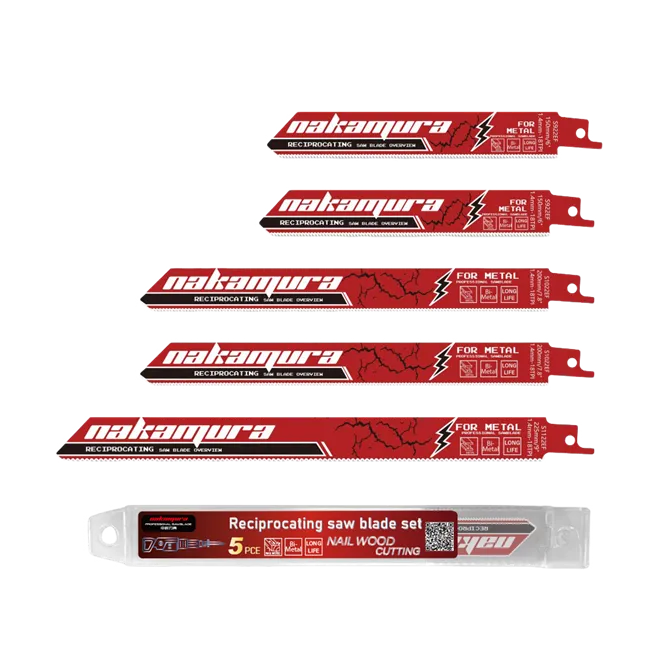
In repair work, demolition, automotive dismantling, pipe cutting, and renovation, materials are often irregular and cannot always be clamped for circular saw cutting. These conditions are better suited to reciprocating blades.The Nakamura 9inch Demolition Reciprocating Saw Blades use a bi-metal structure, with a high-speed steel cutting edge and spring steel backing. The product page lists applications including metal pipes, profiles, automotive demolition, old timber, nail-embedded wood, and mixed demolition materials. Its value is flexibility, impact resistance, and jobsite adaptability. It is not meant to replace precision circular blades for batch fixed-length metal cutting.
This type of blade is suitable for distributors building a demolition, repair, and metal pipe cutting product line. It also fits contractors, automotive repair, construction sites, and emergency removal applications.

Nakamura's metal cutting selection logic
Nakamura does not recommend using one blade for every metal material. A better solution is to match the blade to the real application.
For stainless steel pipe, square tube, and decorative stainless profiles, stainless steel cutting circular saw blades should focus on heat resistance, anti-adhesion, and burr control.For aluminum doors and windows, aluminum profiles, aluminum tubes, copper tubes, and non-ferrous profiles, aluminum carbide saw blades should focus on chip clearance, anti-stick performance, and clean surfaces.For demolition sites, nail-embedded wood, thin metal, metal pipes, and automotive dismantling, bi-metal or carbide reciprocating blades should focus on impact resistance and jobsite adaptability.
This approach is more practical than asking for one blade that can cut everything.
Conclusion
Stainless steel and aluminum alloy should not be handled long-term with the same blade. Their material behavior is different, their cutting problems are different, and their blade design requirements are different.Stainless steel cutting needs more attention to heat resistance, anti-adhesion, and edge stability. Aluminum cutting needs more attention to chip clearance, anti-stick performance, and surface quality. Mixed demolition materials need stronger jobsite adaptability. Through stainless steel cutting circular saw blades, aluminum cutting blades, and heavy-duty demolition reciprocating blades, Nakamura provides more focused solutions for different metal cutting applications.Nakamura - matching the right blade to the right metal.