






In modern material processing and heavy industrial machining, the geometric configuration of a saw blade's cutting edge is paramount. Among these parameters, tooth pitch-the calculated distance between the cutting tips of adjacent teeth-serves as the primary determinant of cutting efficiency, thermal distribution, and surface finish. Understanding the tribology and mechanics behind tooth pitch is essential for optimizing industrial cutting operations.
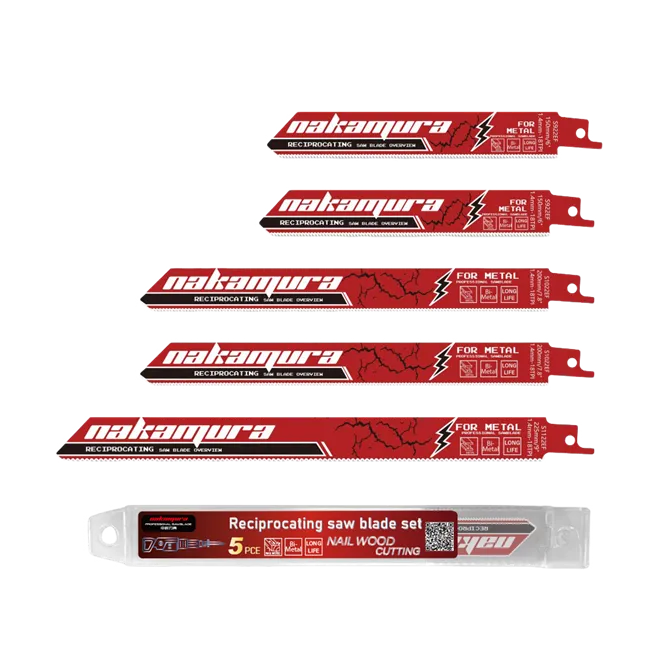
Linear Mechanics vs. Circular Kinematics To accurately analyze cutting tools, one must distinguish between linear and circular cutting dynamics. For linear cutting tools, pitch is quantified in Teeth Per Inch (TPI). A coarser pitch (lower TPI) equates to larger gullets-the fundamental voids designed for chip evacuation. In structural demolition and heavy duty pipe cutting, industrial Bi-metal Reciprocating Saw Blades utilize a lower TPI to aggressively remove substantial volumes of mild steel or dimensional lumber. The expansive gullets prevent swarf accumulation, mitigating the risk of blade binding and maintaining high operational feeds.
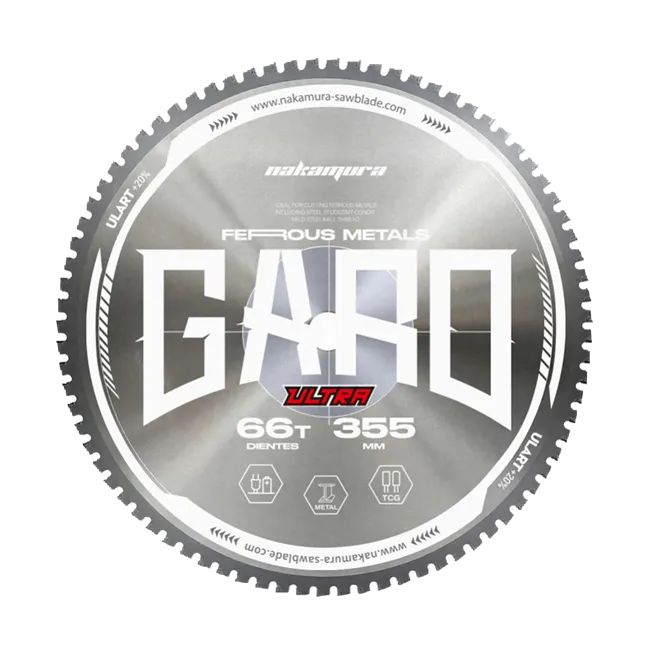
Circular Pitch and Precision Cold Cutting In circular sawing operations, pitch is determined by dividing the blade's circumference by the total number of teeth. High-density tooth configurations (fine pitch) reduce the chip load per tooth, distributing the kinetic impact across a broader surface area. This mechanism is critical when processing ferrous metals requiring exacting tolerances. A professionally engineered 14 Cold Cut Saw Blade, equipped with a high tooth count, executes micro-shearing actions that prevent burr formation. Furthermore, the structural integrity of these advanced blades relies on state-of-the-art laser welding technology to affix the cermet or carbide tips to the steel body, entirely replacing outdated hot-pressing methods. This ensures the teeth withstand the severe mechanical shock of cold-cutting solid steel while preserving the fine pitch geometry.
Abrasive Material Processing Principles Conversely, processing abrasive composites dictates an entirely inverse engineering approach. Materials rich in silica or composite resins cause extreme frictional heat. Attempting to machine these with a fine-pitch blade results in immediate thermal degradation. To counteract this, specific tools like the 305mm Fibre Cement Saw Blade are engineered with ultra-low tooth counts (often as few as 4 to 8 teeth). This ultra-coarse pitch maximizes gullet capacity for aggressive dust extraction, drastically reducing frictional contact and preventing the blade body from warping under heat stress.


Optimization Matrix for Materials
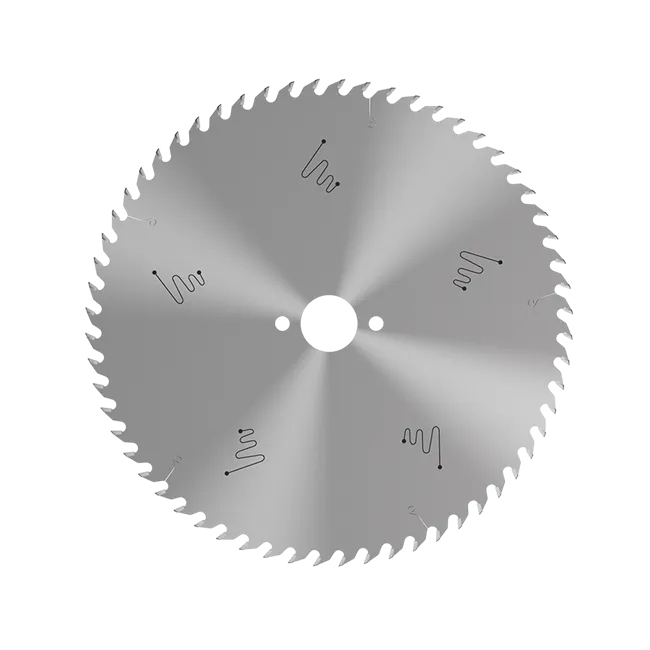
Wood Processing: Softwood ripping operations require a coarse pitch (e.g., 24T on a 250mm blade) to clear fibrous chips rapidly. Hardwood cross-cutting demands a fine pitch (e.g., 80T) to cleanly sever the lignin structure without tear-out.
Metal Fabrication: Thin-walled profiles require a very fine pitch to ensure at least three teeth are engaged with the material thickness simultaneously, preventing material hook and vibration. Solid billet cutting utilizes a slightly coarser pitch to facilitate adequate chip curling and heat evacuation.
Conclusion The selection of tooth pitch is an exact science governed by material density, chip formation mechanics, and thermal dynamics. Utilizing optimal tooth geometries-supported by advanced laser-welded manufacturing-ensures operational safety, maximizes blade longevity, and guarantees strict adherence to dimensional tolerances in industrial applications.