


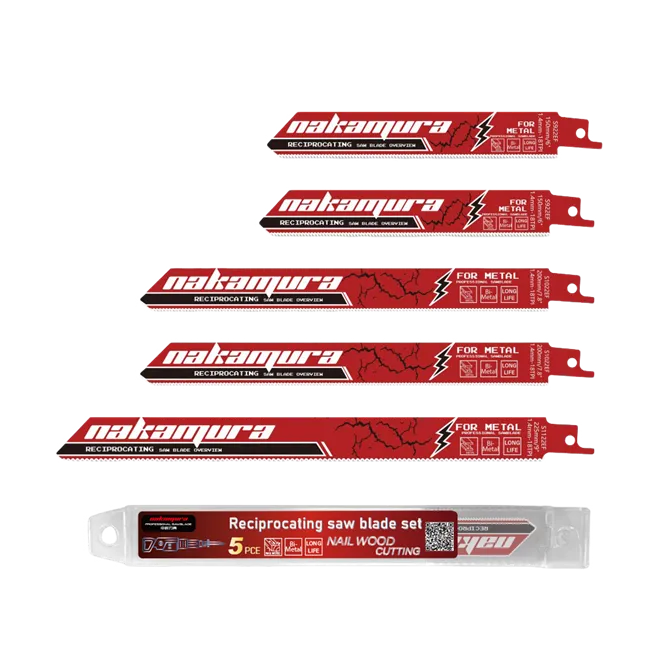
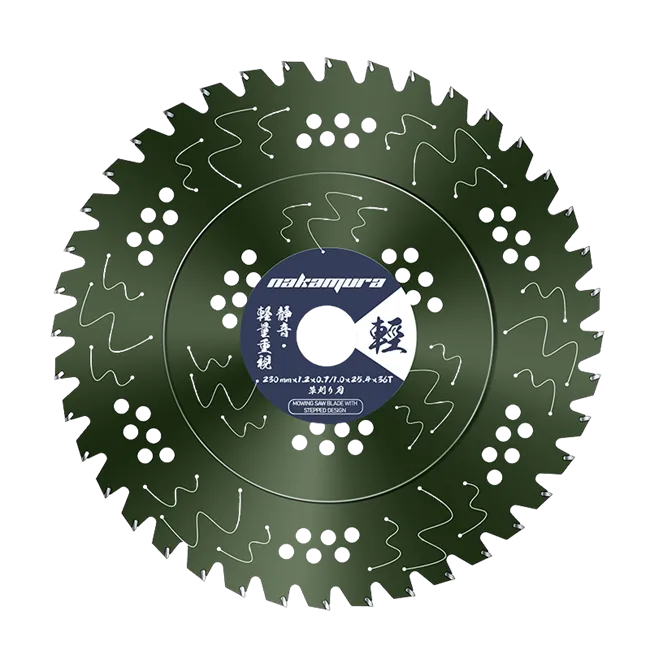

Cutting stainless steel requires a saw blade designed to handle its strength, heat generation, and tendency to work-harden. Using a blade intended for wood or non-ferrous metals may lead to excessive wear, rough edges, or damaged teeth. Choosing the right carbide blade depends on the stainless steel grade, material thickness, cutting method, and machine specifications.
What Makes Stainless Steel Cutting Challenging?
Stainless steel is tough and can work-harden when subjected to excessive friction or pressure. A suitable carbide blade needs to maintain a sharp cutting edge and withstand the demands of metal cutting. Carbide grade, tooth geometry, blade stability, and cutting parameters all influence performance.
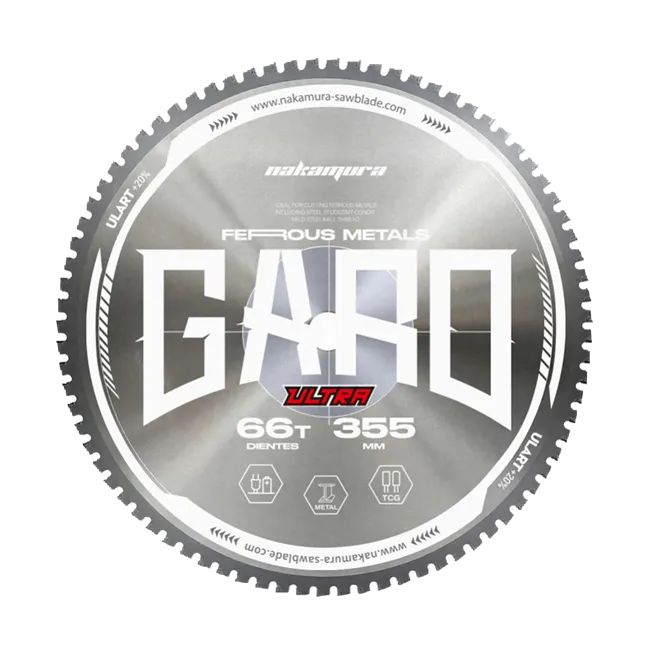
For frequent stainless steel cutting, a blade specifically designed for ferrous metals is generally more suitable than a general-purpose blade. Tooth count and hook angle should be selected according to the material thickness and the saw being used, rather than relying on one specification for every application.
Choosing the Right Blade Type
The blade must be compatible with both the material and the cutting machine. Chop saws and circular saws use different blade designs, and not every carbide blade is suitable for stainless steel.
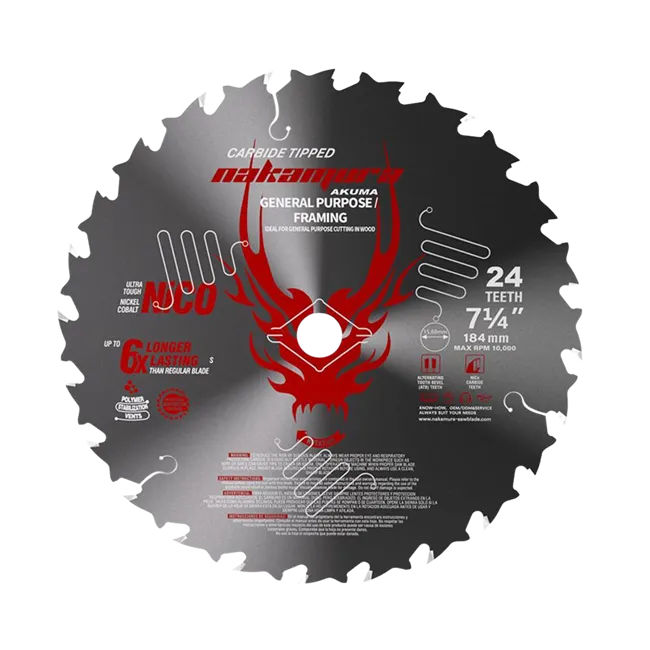
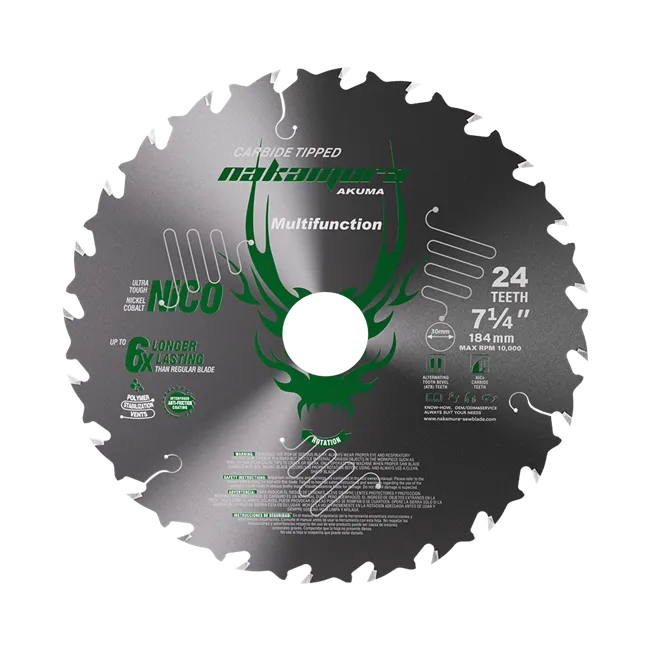
A multipurpose blade may be useful when switching between compatible materials, but it should not be assumed to handle heavy or continuous stainless steel cutting. For example, the Multi Purpose Chop Saw Blade can be considered for suitable multipurpose applications, while dedicated ferrous-metal blades should be selected for demanding stainless steel work.
Aluminum blades are designed for non-ferrous metals and should not be treated as stainless steel cutting blades. Products such as the Aluminum Circular Saw Blade and Circular Saw Blade to Cut Aluminium are intended for aluminum applications, not stainless steel.
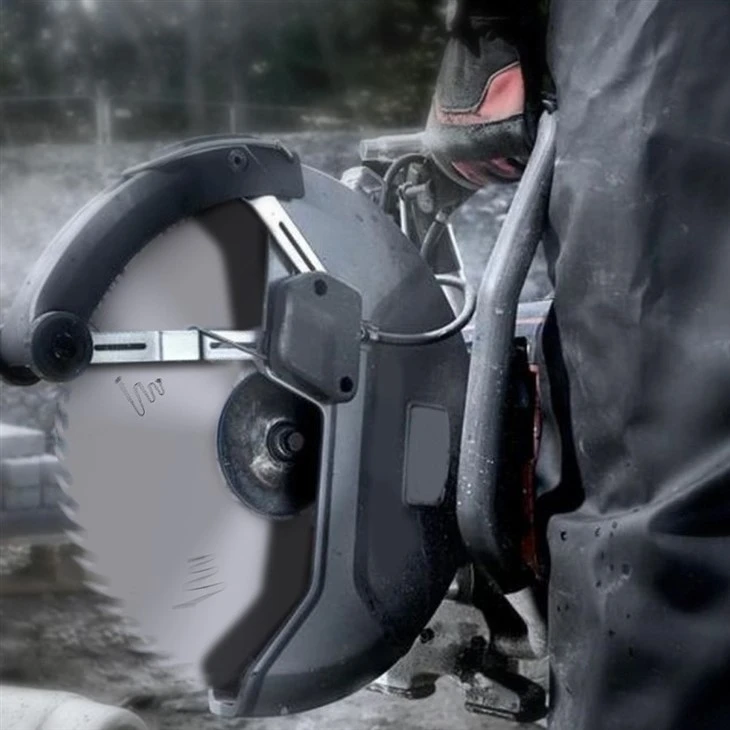
Key Factors to Consider
Carbide quality: The carbide grade should provide a suitable balance of wear resistance and toughness for the cutting application.
Tooth count and geometry: Tooth design should match the material thickness and required cut quality.
Blade stability: A stable blade body helps reduce vibration and supports consistent cutting.
Coating: Depending on the blade design and application, a suitable coating may help reduce friction and material buildup.
Machine compatibility: Always check the blade diameter, bore size, rated speed, and machine requirements before use.
Tips for Better Cutting Performance
Using an unsuitable or dull blade can increase friction and heat, potentially worsening work-hardening and reducing cutting quality. Follow the blade manufacturer's recommended speed, feed rate, and maintenance instructions. Use cutting fluid only when it is compatible with the blade and machine, and always follow the equipment's safety requirements.
The right carbide saw blade for stainless steel is one designed for the specific material and cutting method. Before selecting a blade, confirm the stainless steel grade, thickness, machine type, and required finish. Sharing these details with your supplier can help identify a suitable blade and avoid unnecessary wear, downtime, and rework.