



In the advanced sectors of industrial fabrication, metalworking, and precision woodworking, selecting the correct diameter for a Tungsten Carbide Tipped (TCT) saw blade is a foundational engineering requirement. The dimensional specifications of a cutting tool directly dictate its thermodynamic performance, kinetic efficiency, and mechanical compatibility with the drive motor. As a leading manufacturer of cutting solutions, we engineer our blades using advanced laser welding technology-completely superseding outdated hot-press methods-to ensure that the carbide teeth maintain absolute structural integrity across all blade dimensions. This technical paper analyzes the operational dynamics and application boundaries governed by the size of carbide saw blades.
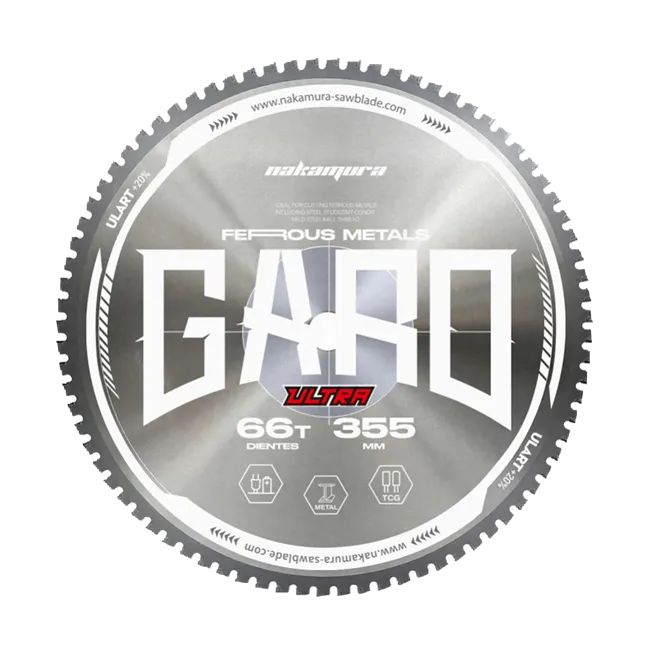
1. Cutting Depth Constraints and Substrate Tensioning The primary determinant for selecting blade diameter is the maximum required depth of cut. In metal fabrication, attempting to force a small blade through a thick extrusion results in severe motor overload and thermal distortion of the steel plate. For processing substantial non-ferrous profiles, deploying a large-diameter tool such as the 10 Inch Aluminum Cutting Saw Blade is an engineering necessity. The larger radius provides the necessary clearance to complete deep cuts in a single pass. Furthermore, these large-diameter blades are manufactured with high-tension, laser-cut steel bodies equipped with expansion slots, ensuring absolute rigidity and heat dissipation during prolonged cutting cycles.
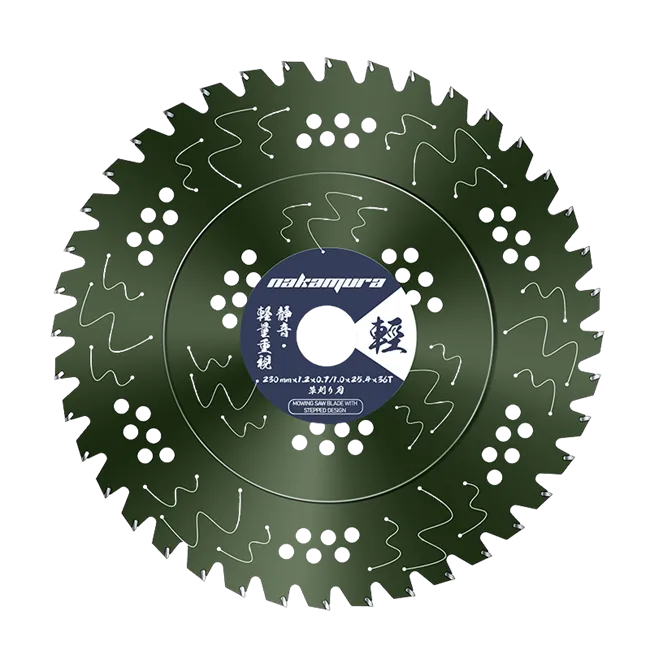
2. Kinematics: Peripheral Speed vs. Spindle RPM A critical misconception in cutting mechanics is the relationship between blade size and rotational speed. Cutting efficiency is governed by the peripheral velocity (tip speed) of the carbide teeth. For instance, when utilizing a compact tool like the Multi Blade Circular Saw 147mm on portable high-RPM equipment, the smaller circumference generates a controlled, optimal tip speed ideal for precision tracking and maneuverability in localized operations. Conversely, a large-diameter blade mounted on the same high-RPM spindle would generate excessive peripheral speeds, causing friction-induced metallurgical failure (burning) of the carbide. Therefore, blade dimensions must be strictly matched to the machine's calibrated spindle speed.


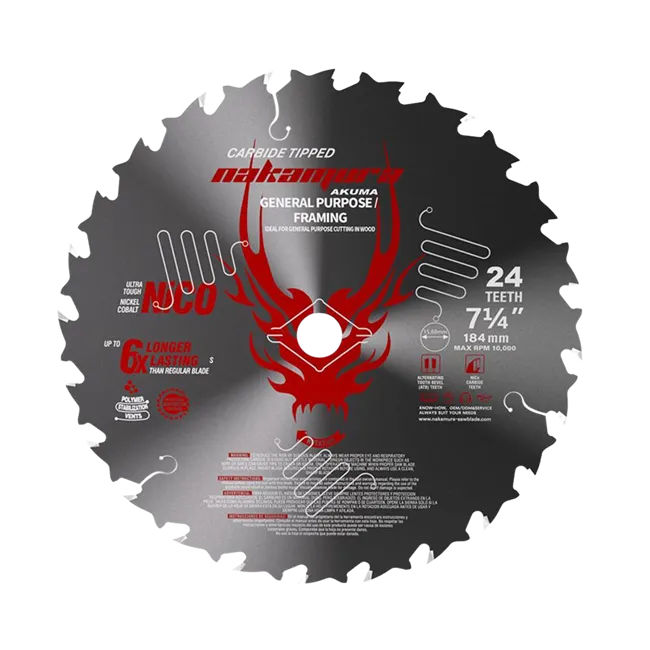
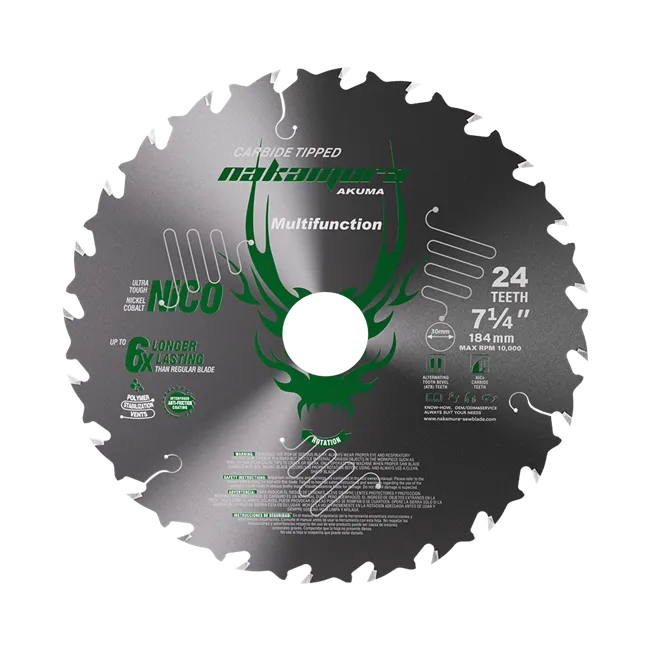
3. Kerf Mass and Power Ratios (Motor Load) The physical mass and the kerf width of a saw blade scale proportionately with its diameter. Driving a massive blade requires exponentially higher torque. If a heavy, large-diameter blade is mounted on an underpowered machine, the immediate result is mechanical bog-down, excessive heat generation, and potential motor burnout. For low-to-medium torque power tools commonly used in diverse contracting scenarios, a highly optimized 7-1/4 Multi-Material Cutting Blades offers the perfect kinetic balance. Its reduced mass and thin-kerf laser-welded geometry allow it to shear through mixed composites and mild metals efficiently without overtaxing the power tool's electrical components.
4. Precision: Rigidity vs. Maneuverability In industrial contexts, "precision" is defined differently based on the equipment. Large-diameter blades mounted on heavy, vibration-dampened stationary machinery deliver unmatched absolute straight-line precision for massive workpieces. In contrast, smaller blades are not inherently more precise, but they offer vastly superior maneuverability. Their reduced gyroscopic inertia allows operators of handheld equipment to execute intricate, short-distance cuts with minimal lateral deviation.
Conclusion and B2B Procurement Selecting the precise diameter of a carbide saw blade is a rigorous mechanical calculation involving material thickness, machine torque, and optimal peripheral speed. By employing laser-welded carbide technology across our entire dimensional spectrum, our factory ensures that every blade-from 147mm compact disks to heavy-duty industrial saws-delivers uncompromising safety and maximum ROI. We invite global distributors and industrial facilities to consult our engineering team for customized tooling specifications tailored to your exact manufacturing requirements.