


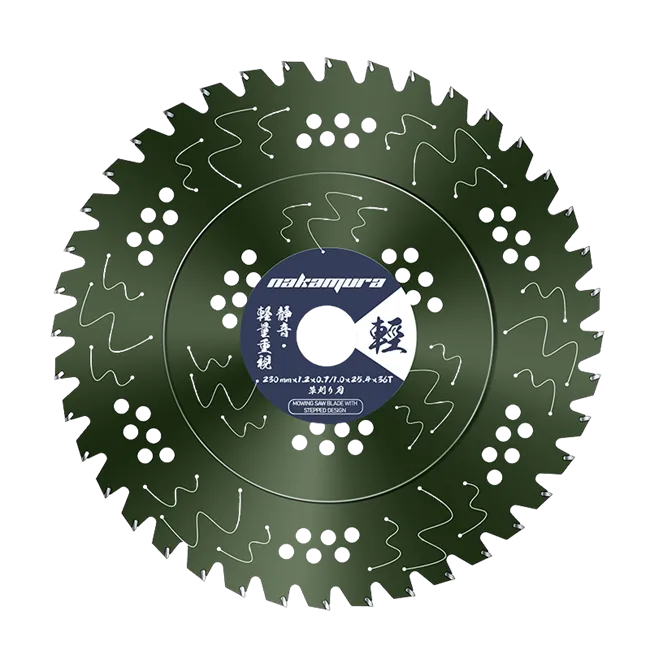
Brushcutter blades are great for getting through dense vegetation or tackling any job that proves too tricky for trimmer line. A wide range of brushcutter blades is available, with varying numbers of blades or teeth, each designed for a specific purpose.
Choosing the right blade for the type of vegetation you want to cut makes for quicker and neater results with less effort. Brushcutter blades are usually made of metal and are fairly easy to change. They come in a wide range of designs and are often designed to fit on any type of brushcutter, regardless of brand.
Bore size refers to the diameter of the hole in the centre of the blade. The most common bore size is 25.4mm but can sometimes be 20mm.

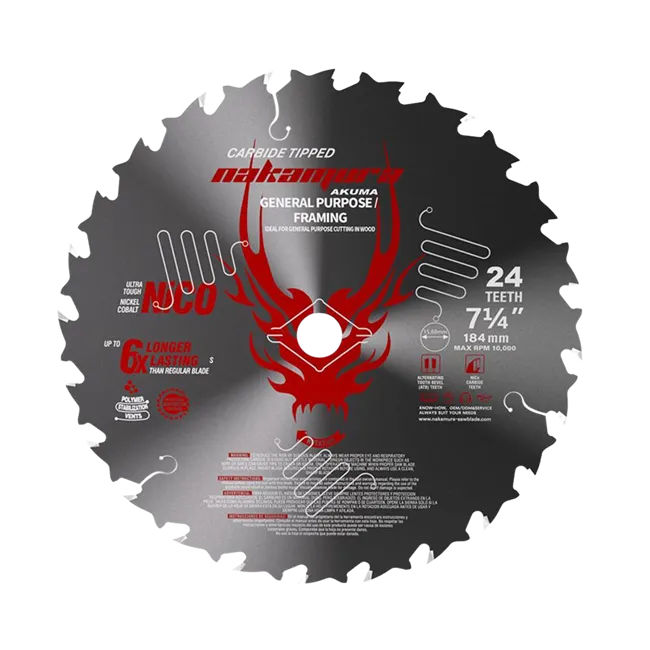
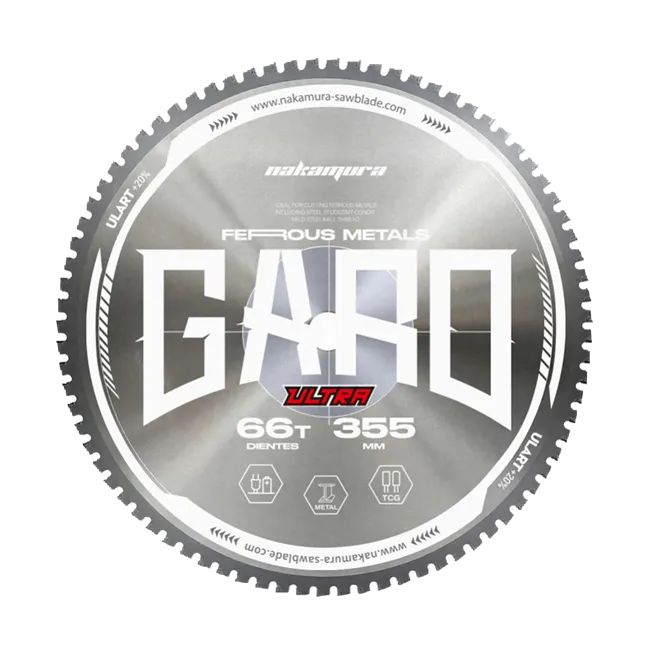
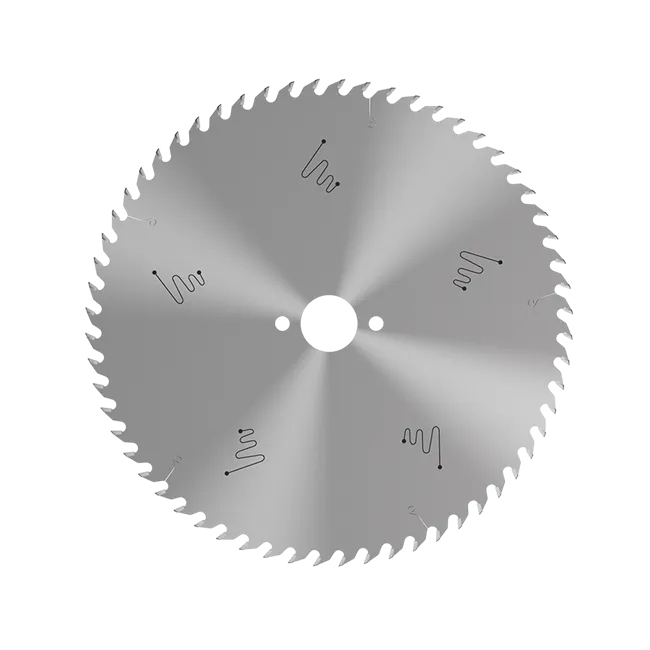
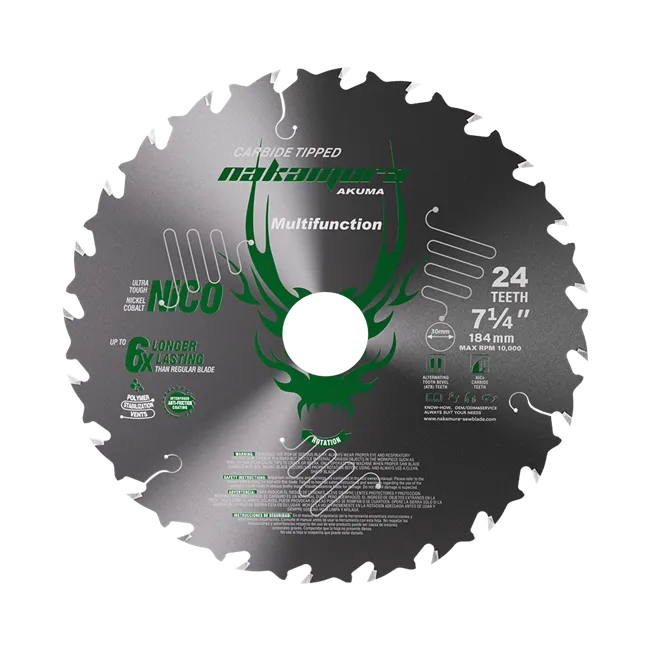
Circular blades have a large number of teeth all around the blade. They usually feature about 40 or 80 teeth but it is possible to find different designs (10 teeth, 54 teeth, etc.). These blades are more like circular saw blades than brushcutter blades. They are best suited to chopping thin branches and suckers or trimming small bushes.
Some of these blades feature carbide tipped teeth which have undergone a special heat treatment. Carbide tungsten tips are extremely resistant and often described as unalterable. However, these tips are shock sensitive and can crack. These blades are used to cut through dense thicket, clearing undergrowth and formative pruning.
How to use grass cutting saw blade?
1. Check that all brushcutter components are firmly secured, especially the brushcutter head and the blade guard.
2. Check the area for stones and other obstacles before starting, especially if you have thick growth.
3. Wear appropriate apparel including specially designed gardening clothes.
4. Use PPE including a visor helmet, safety goggles, safety shoes and protective gloves.
5. If you have a handheld brushcutter adjust the harness properly.
6. Always start the brushcutter with the machine flat on the ground.
7. Avoid working near people or animals in case of flying debris.