


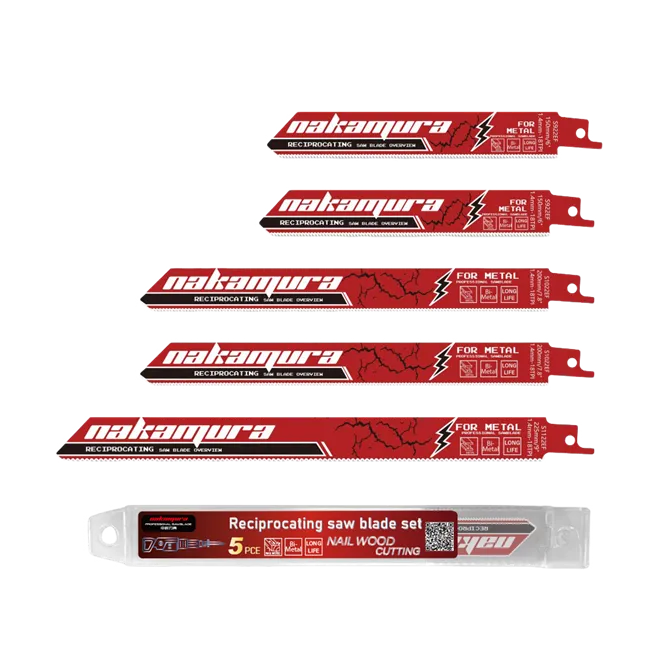
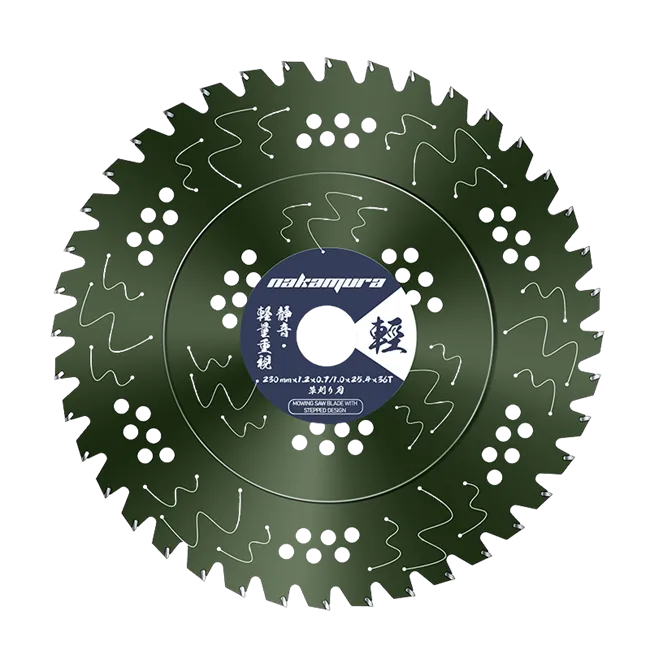

In modern woodworking, furniture manufacturing and metal fabrication, saw blades play a direct role in production efficiency, cutting accuracy and finished-product quality. As automated and high-speed cutting equipment becomes more common, manufacturers are placing greater emphasis on blade stability, wear resistance and consistent cutting performance. The right blade can also help reduce blade changes, material waste and secondary finishing work.
Blade performance depends on more than one specification. Tooth geometry, tooth count, blade body construction, carbide or PCD tips, material type, machine speed and feed rate all need to be considered together. When production involves different materials, application-specific blades can provide more consistent results.
Stable Cutting for Wood and Panels
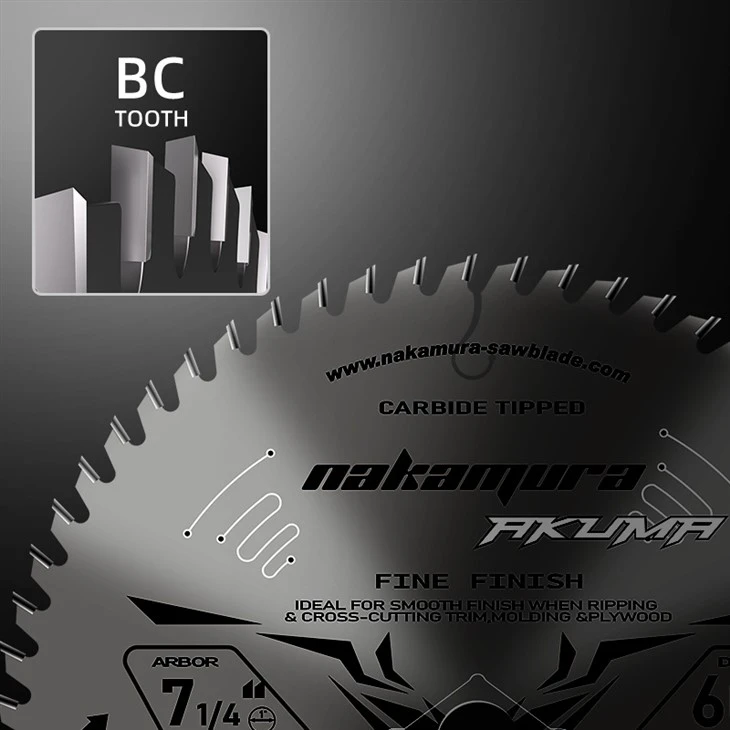
Wood, MDF, OSB and other engineered wood products require a balance between cutting efficiency and edge quality. Tooth geometry and tooth count should be selected according to material density, panel construction and the cutting direction.
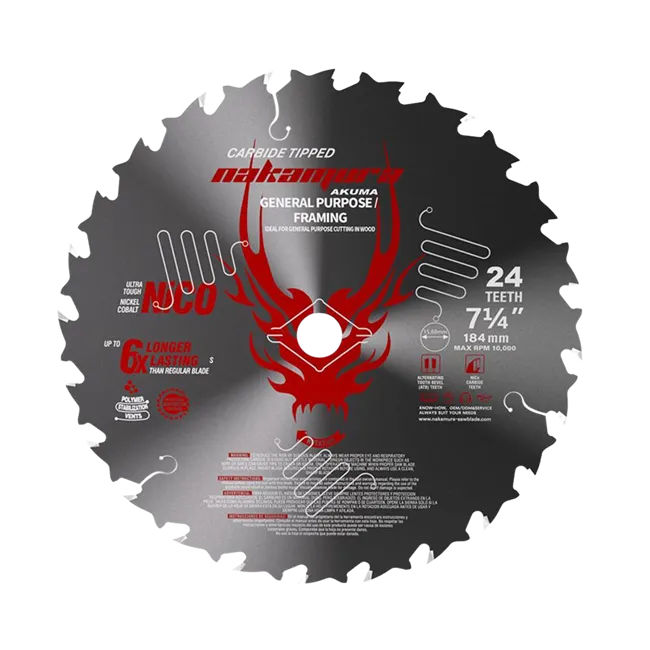
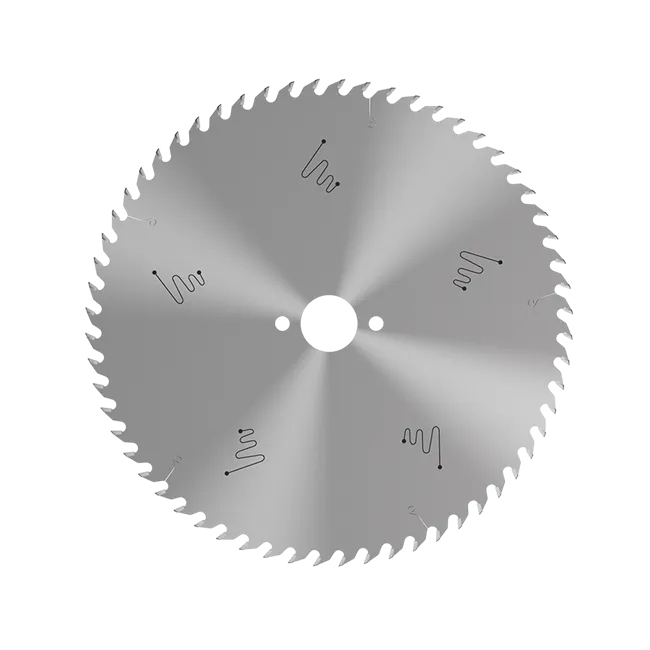
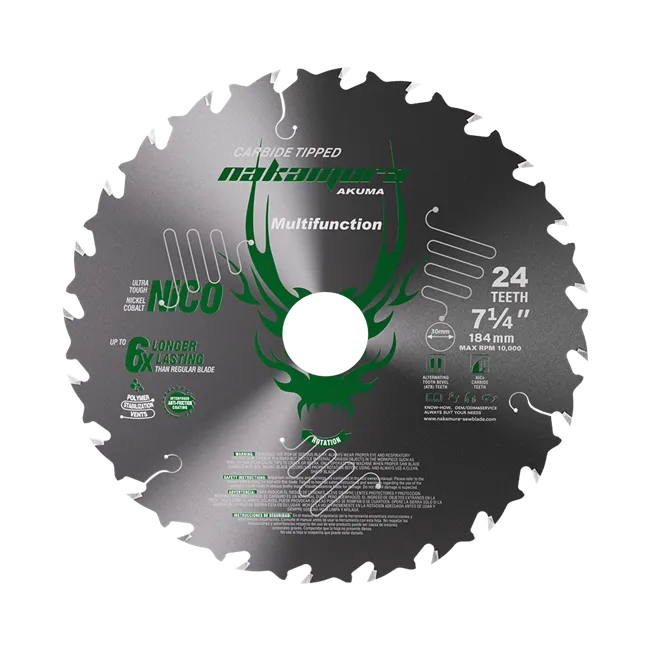
Nakamura's Wood Carbide Saw Blades are designed for wood and engineered-panel applications. Different tooth configurations and specifications can be selected according to the cutting task, providing a practical balance of cutting performance and durability for furniture manufacturing, woodworking and panel processing.
Heat Resistance and Stability in Metal Cutting
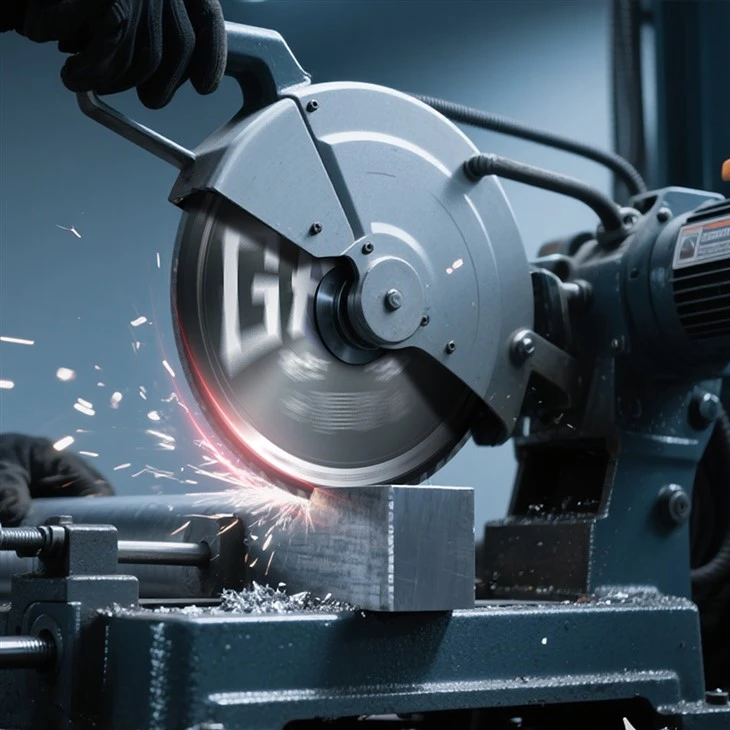
Steel pipes, profiles and other metal materials place different demands on saw blades. Heat generation, material hardness and continuous cutting loads can all affect tooth life and cutting stability, making blades specifically designed for metal cutting essential.
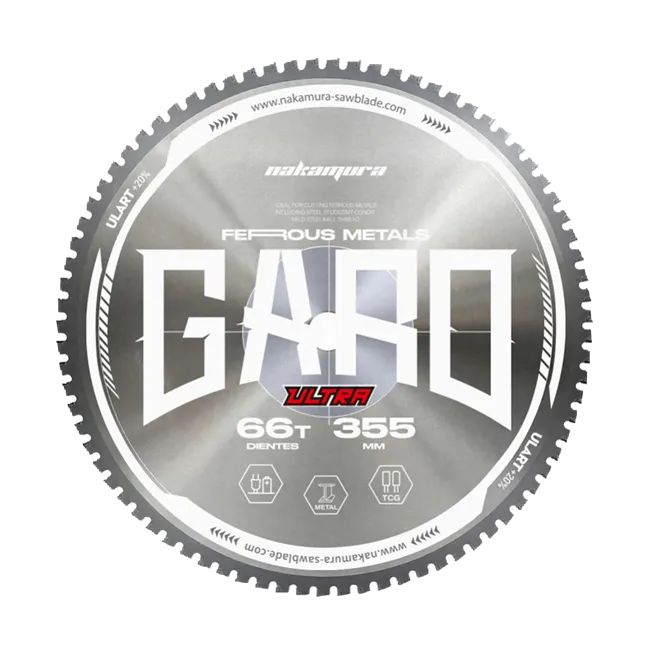
Nakamura's Metal Circular Saw Blade range provides different configurations for metal-cutting applications. Matching the blade specification to the material and machine can help maintain stable cutting performance and reduce downtime associated with premature wear or blade replacement.
PCD for High-Wear Applications
Particleboard, laminates, MDF and other abrasive composite materials can accelerate wear on conventional carbide teeth. PCD teeth offer high wear resistance and are therefore well suited to applications that require longer service intervals and consistent cutting quality.
From wood and metal to abrasive composite materials, effective blade selection comes down to matching the blade with the material, machine and production requirements. Nakamura offers wood, metal, PCD and other specialized saw blade solutions for a wide range of cutting applications, with specifications available for different processing needs.