


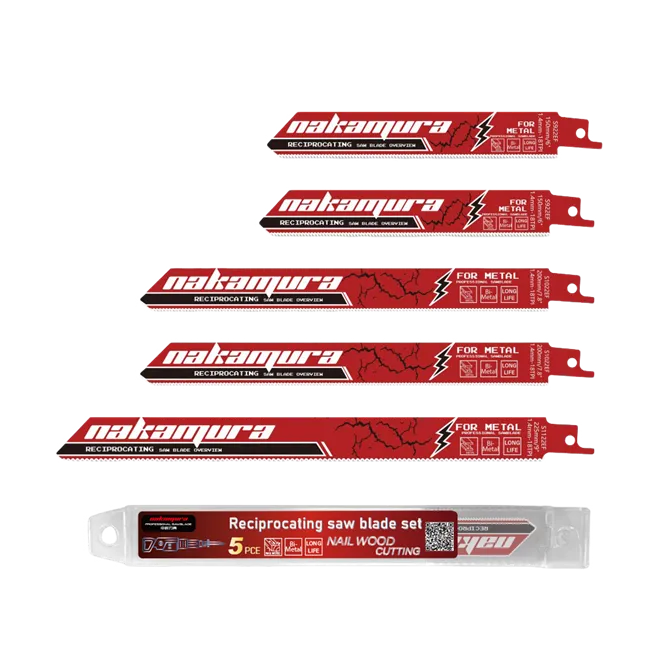
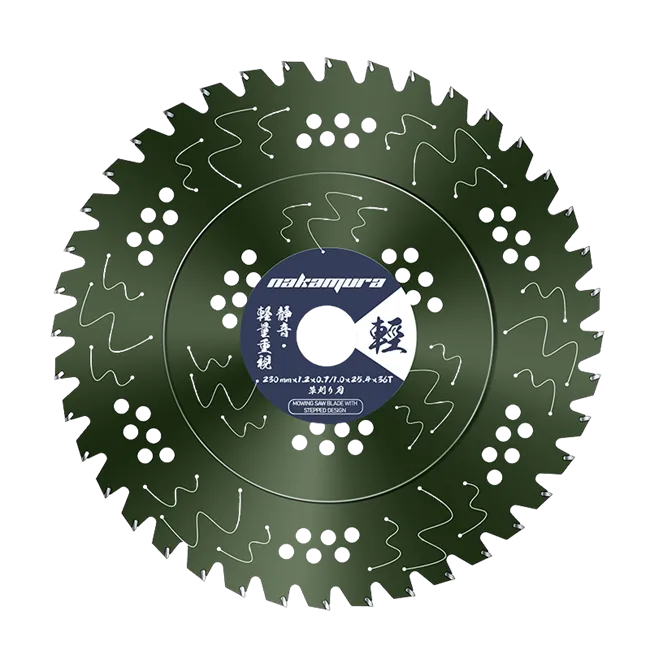

Polycrystalline diamond (PCD) saw blades are an important category of high-performance cutting tools. With high hardness, strong wear resistance and stable cutting performance, PCD blades are particularly suitable for abrasive materials such as engineered wood, MDF, OSB, laminated boards and fiber cement boards. As industries including construction, furniture, automotive and composite-material processing place greater emphasis on productivity and cutting quality, demand for PCD solutions continues to grow.
Compared with conventional carbide blades, PCD tips can provide a substantially longer service life under suitable cutting conditions, helping reduce blade changes and production downtime. Tooth geometry, blade-body stability and chip evacuation also play important roles in controlling cutting quality, vibration and tool life. Selecting a PCD blade that matches the material and application is therefore essential for efficient processing.
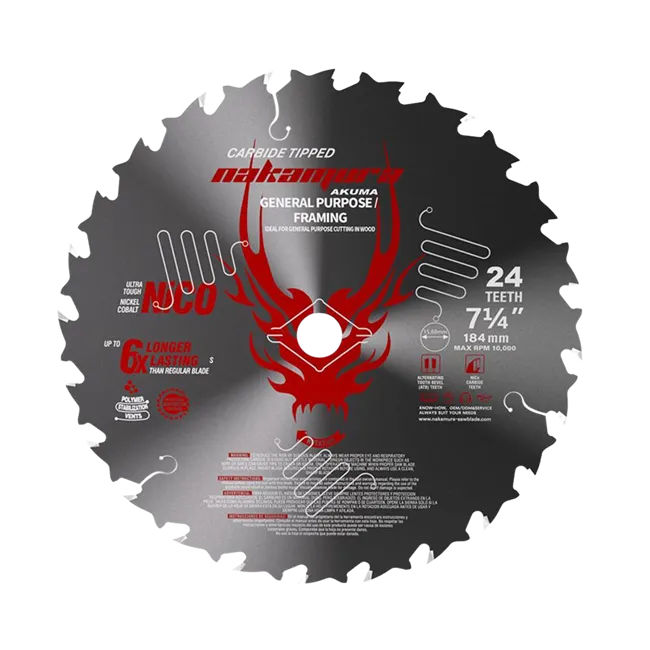
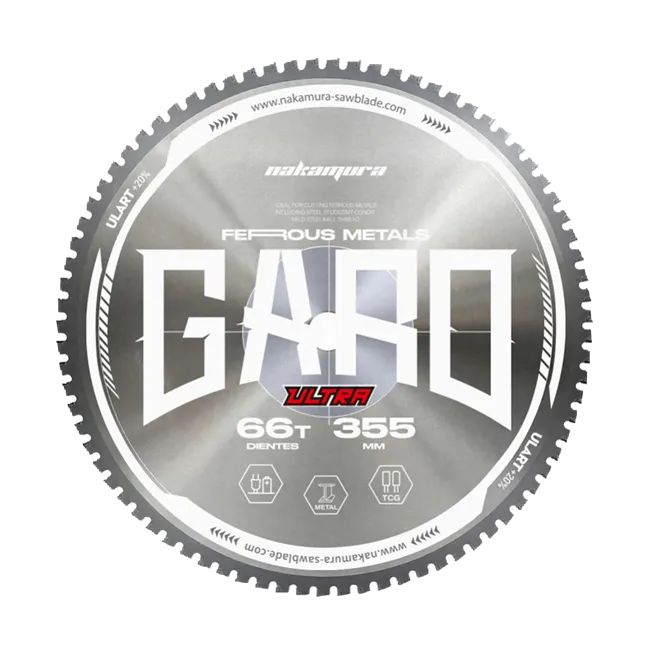
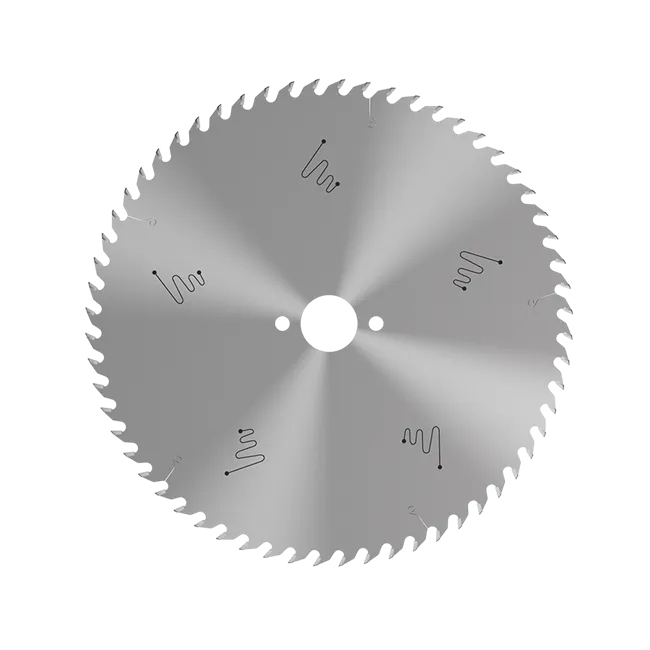
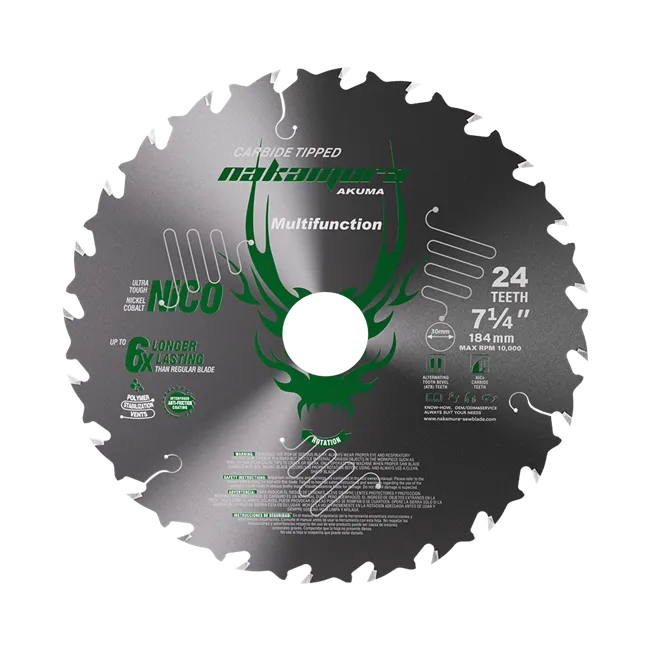
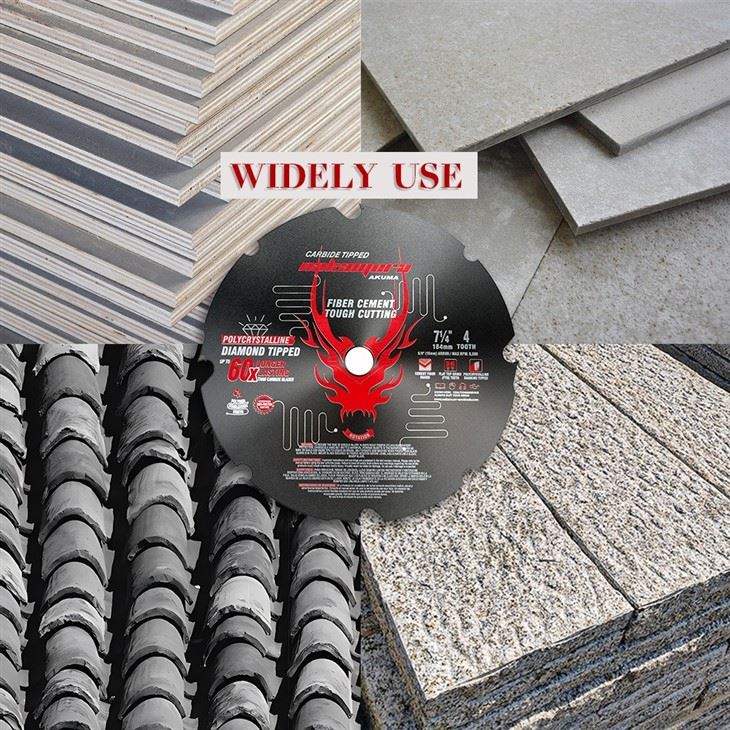
Nakamura specializes in PCD and other high-performance saw blades for a range of materials and applications. The PCD Fiber Cement Circular Saw Blade is designed for abrasive panels such as fiber cement, with an emphasis on efficient chip evacuation, stable cutting and extended service life. The 10T PCD Cutting Blade is suitable for ultra-hard and abrasive materials including fiber cement and stone panels. The PCD Tipped Circular Saw Blades are designed for MDF, OSB, plywood and laminated panels, supporting high-volume cutting in furniture and panel-processing applications.
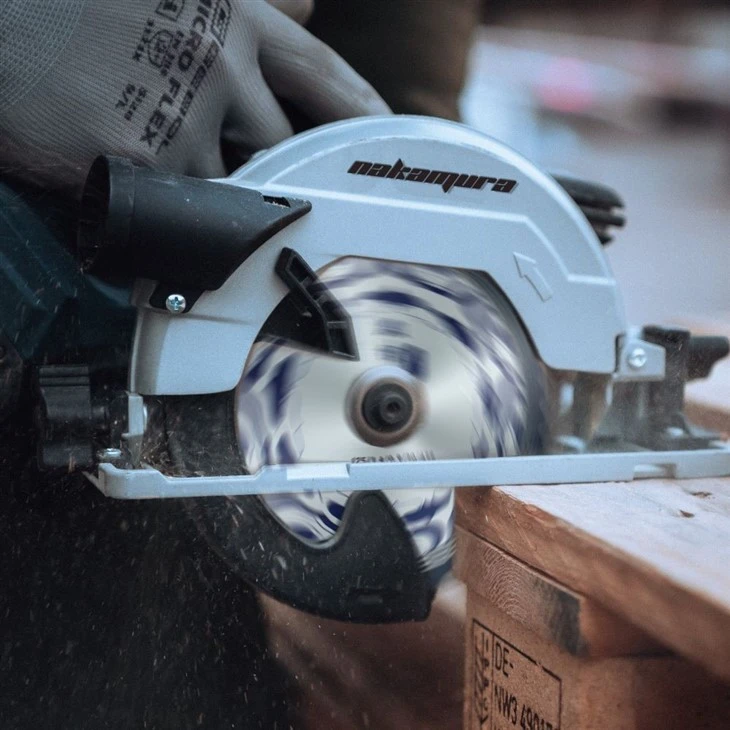
Looking ahead, the PCD saw blade market is moving toward greater specialization, customization and efficiency. Automated manufacturing, digital quality control and material-specific tooth designs are expected to accelerate the development of high-performance cutting tools. For users seeking consistent cutting quality and lower overall tooling costs, selecting a PCD blade matched to the material and machine will remain an important path to higher productivity.