


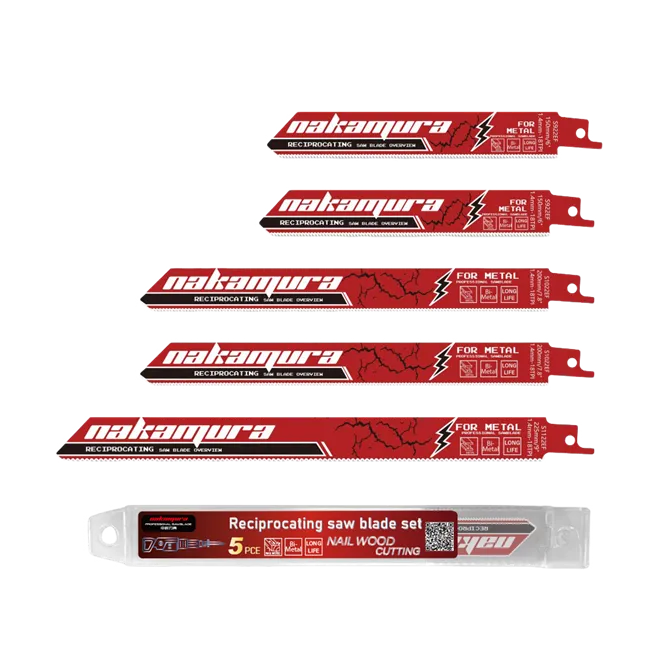
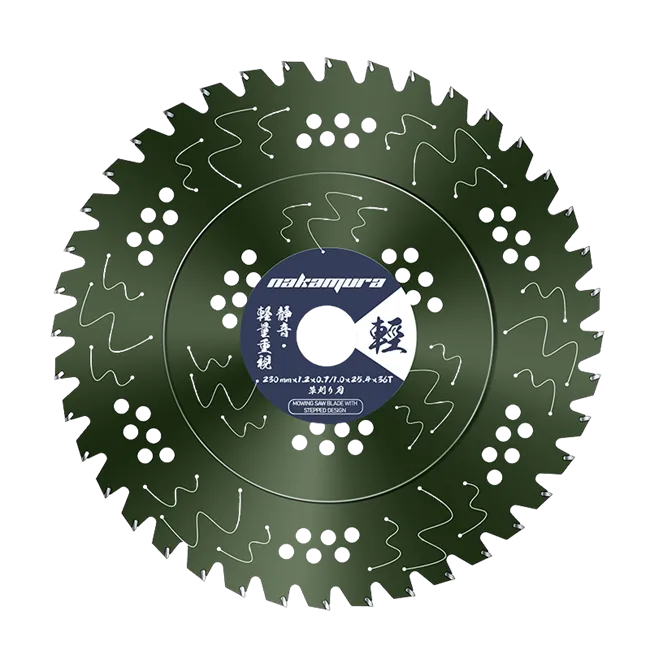
Why carbide-tipped saw blades remain mainstream
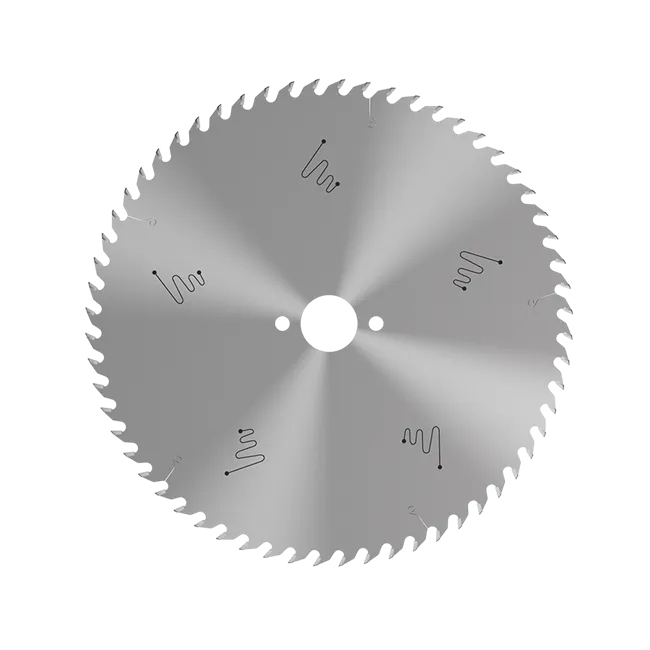
Carbide-tipped circular saw blades, often called TCT saw blades, are typically made with a steel blade body and carbide tips. The steel body provides toughness and support, while the carbide tips deliver cutting performance and wear resistance. Together, they create a practical balance of strength, efficiency, and service life.
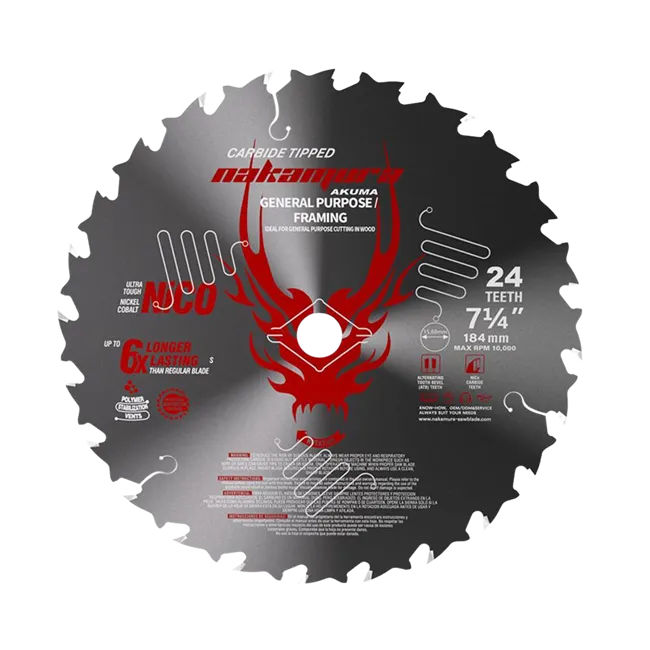
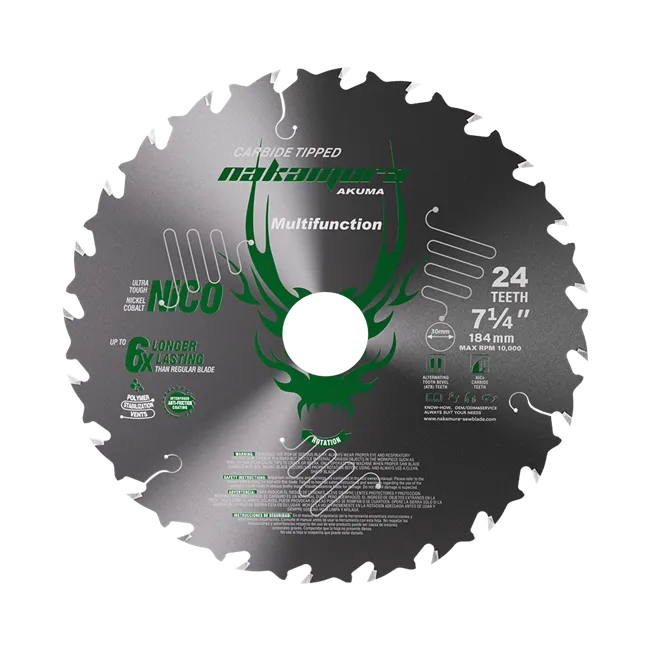
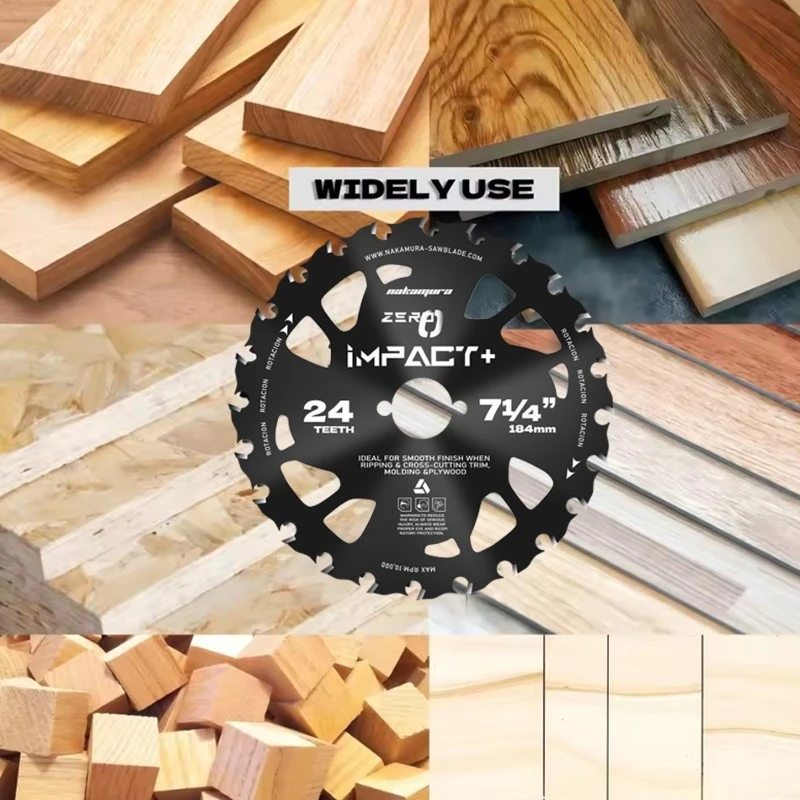
In woodworking, TCT blades remain a key product category for furniture factories, renovation work, panel processing, and tool distribution channels. The 184mm TCT Saw Blade For Wood is designed for framing timber, OSB, MDF, plywood, integrated wood, and general jobsite wood cutting, making it suitable for high-frequency woodworking applications.
Transverse rupture strength matters, but it is not the only factor
The report segmentation mentions that the 2100–2500 MPa transverse rupture strength range accounts for a notable share. This value mainly refers to the carbide tip material and is an important indicator of impact resistance and breakage resistance.
However, the real performance of a saw blade cannot be judged by the carbide tip alone. Blade body steel, heat treatment, tensioning, brazing quality, tooth geometry, chip clearance, and coating design all affect cutting quality and product life.
That is why Nakamura focuses on a complete blade design approach. The goal is not simply to weld a hard tip onto a steel plate, but to match tooth shape, body thickness, cutting angle, and application requirements.
How Nakamura targets specialized growth
- First, Nakamura strengthens woodworking applications.
The woodworking market includes rough cutting, fine finishing, panel sizing, plywood, MDF, melamine board, and jobsite timber. Each application requires a different tooth count and tooth geometry. The 7 1/4 Carbide Circular Saw Blade is designed for fast and clean cuts in wood and engineered panels. Diameter, bore size, tooth count, coating, and packaging can also be customized for OEM and ODM projects.
- Second, Nakamura develops metal cutting applications.
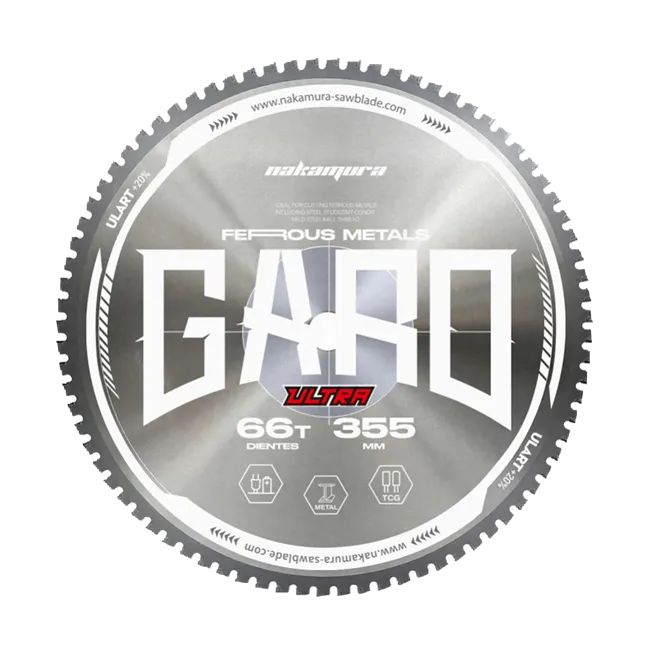
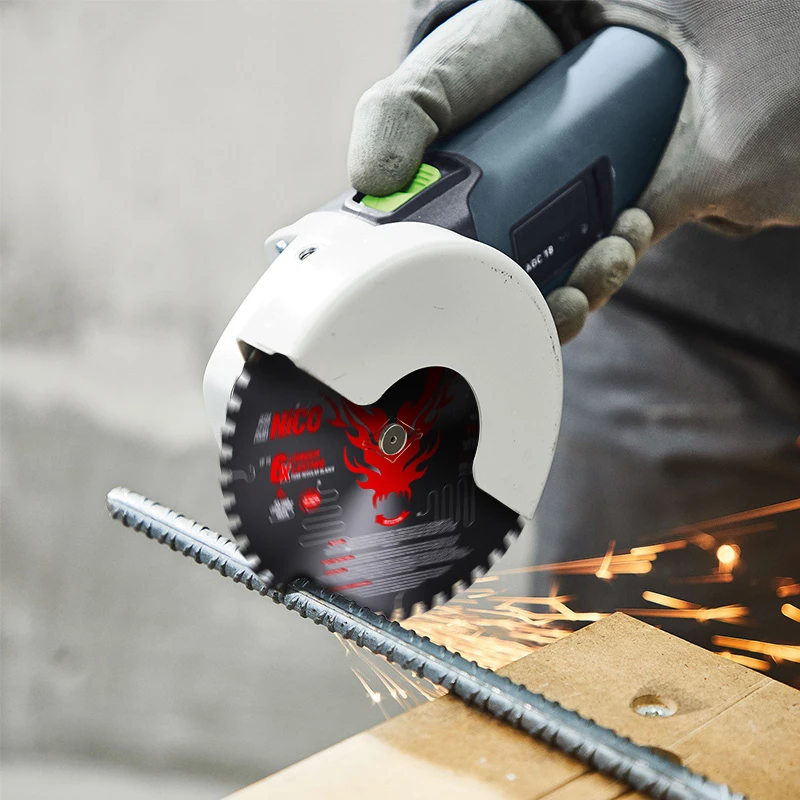
Manufacturing upgrades are increasing demand for better edge quality, cutting speed, and tool life in metal cutting. Nakamura's Metal Cutting Circular Blade is designed for metal and stainless steel cutting applications, serving hardware processing, installation work, and industrial supply customers.
- Third, Nakamura improves customization and supply capability.
For overseas distributors, a valuable supplier must offer more than standard sizes. Bore size, tooth count, packaging, coating color, private label design, and set combinations all matter in local markets. Through OEM and ODM services, Nakamura helps customers enter specialized market segments more efficiently.
Opportunities and challenges
The carbide-tipped circular saw blade market is supported by construction, woodworking, manufacturing upgrades, and wider power tool adoption. At the same time, competition is intense. Buyers are demanding better consistency, while trade policy and tariff changes may affect export planning.
Updated woodworking tool safety standards, such as GB/T 18955-2025, also remind manufacturers that low price alone is not enough. Product design, safety marking, quality inspection, and stable supply will become more important for professional buyers.
Conclusion
The USD 729 million global carbide-tipped circular saw blade market in 2025 is not one single category. It is made up of many specialized applications based on materials, machines, and user needs.
Nakamura's opportunity lies not in the lowest-price segment, but in high-value, material-specific, customizable, and stable cutting solutions.
Nakamura enters the global carbide-tipped saw blade market with professional manufacturing capability and application-focused product design.