

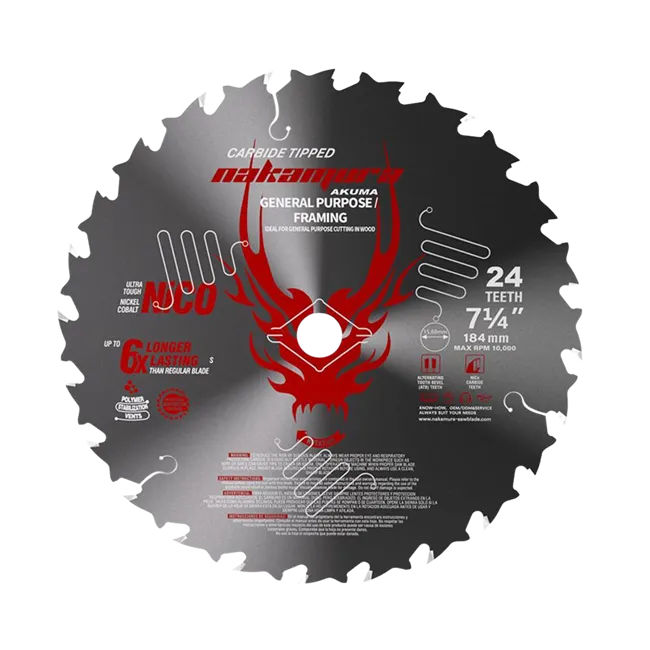
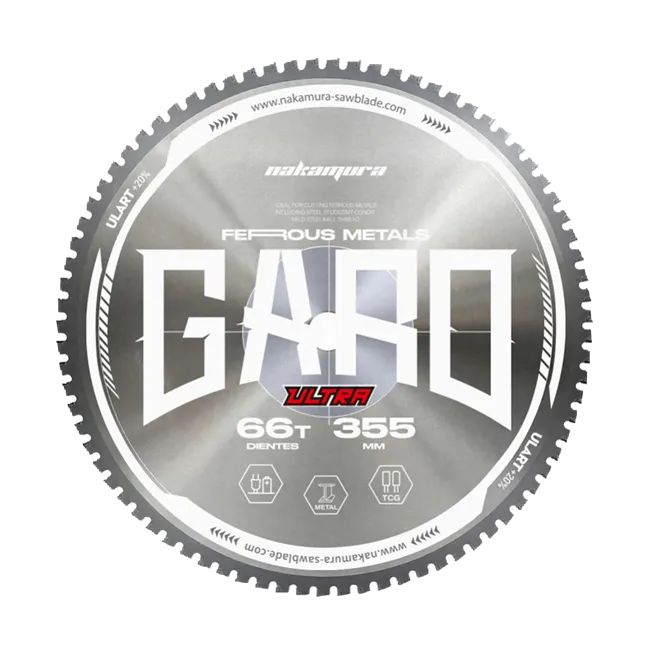
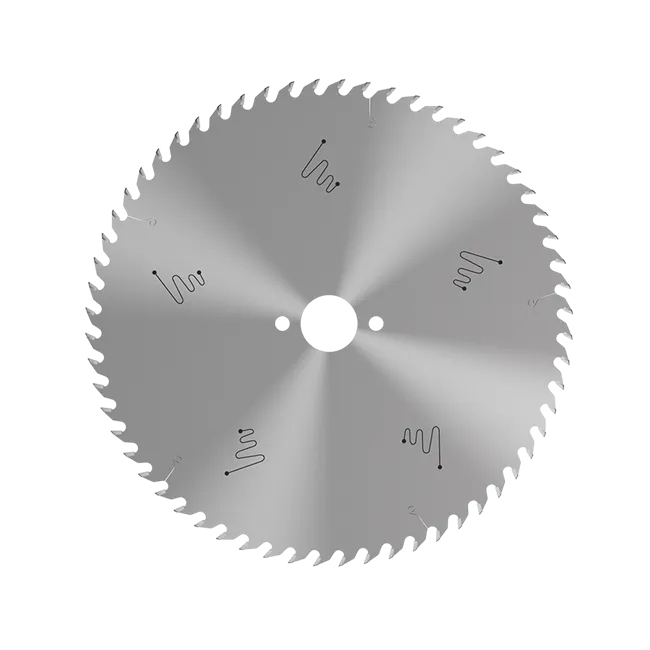
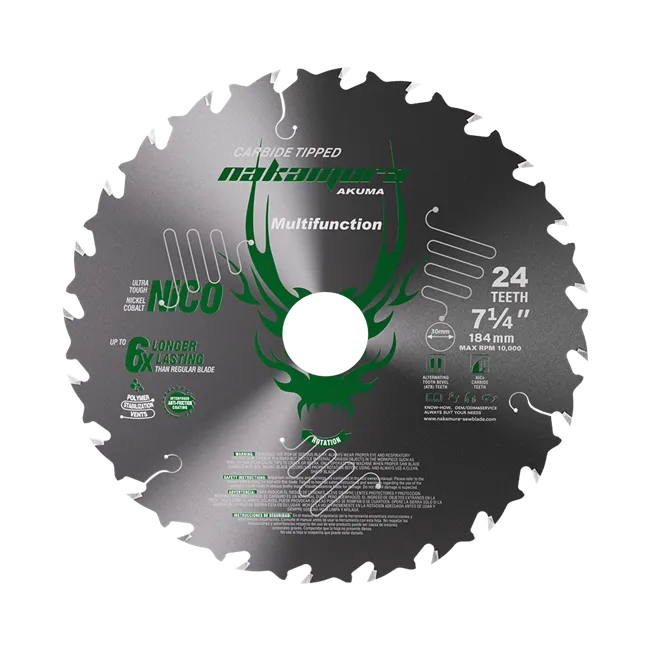

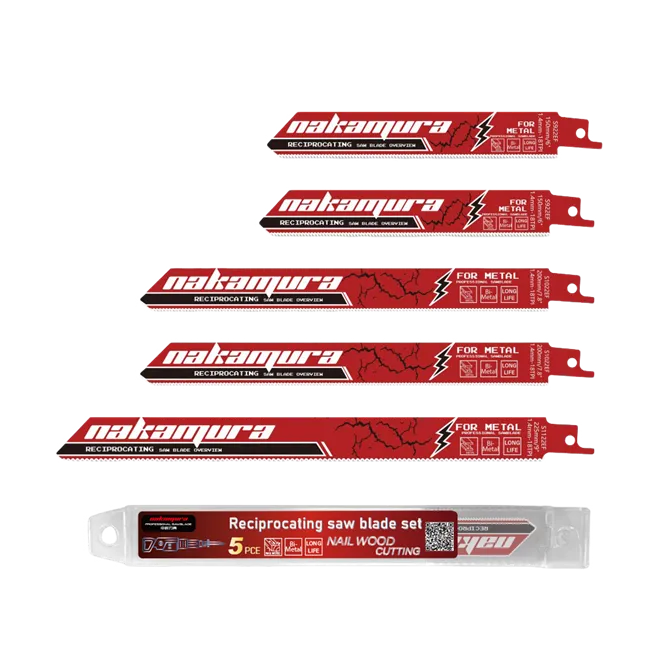
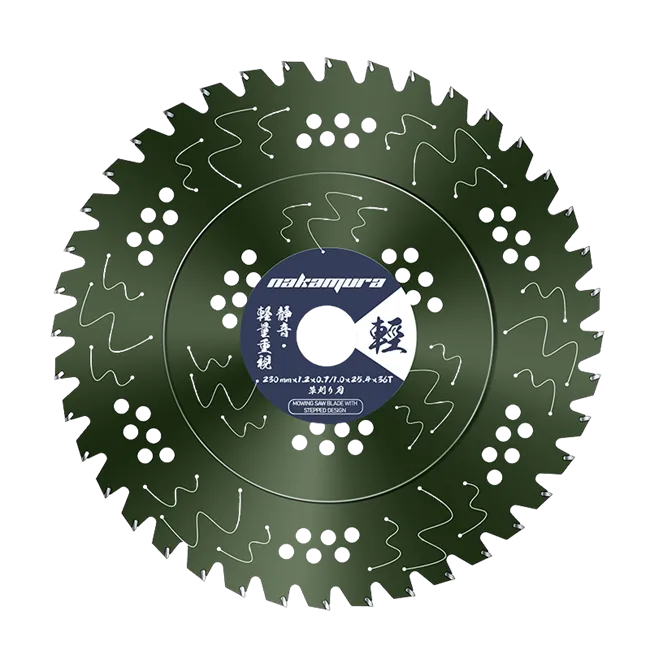
In construction materials, decorative panels, and composite board processing, "diamond saw blade" should not be treated as a single product category. Traditional diamond segment blades are commonly used for stone, ceramic, concrete, and other hard brittle materials. PCD saw blades, on the other hand, are often used for fiber cement board, cement-based siding, gypsum board, composite panels, laminate, and other abrasive sheet materials.
For users, cutting performance is not decided simply by whether a blade contains diamond. What matters more is the match between the diamond structure, steel core stability, tooth geometry, bonding method, and quality control process. Nakamura's diamond-class saw blade range is built around these practical factors.
1. Understanding Two Common Types of Diamond-Class Blades
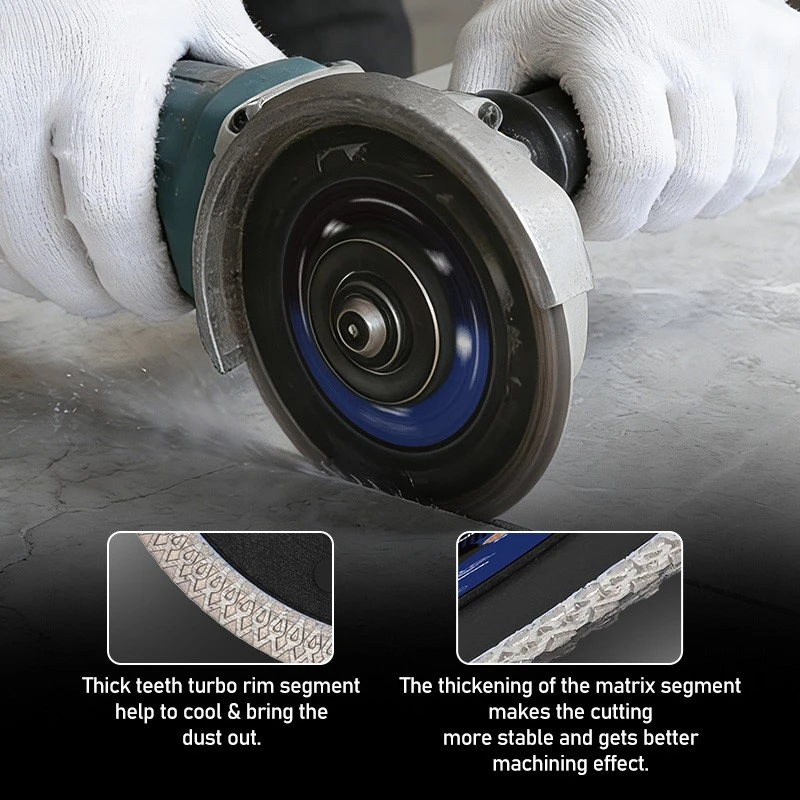
A traditional diamond segment blade is usually made of a steel core and diamond segments. The diamond particles inside the segment are held by a metal bond. During cutting, the exposed diamond particles grind the material away. As the bond gradually wears, new diamond edges are exposed, helping the blade maintain cutting performance.
A PCD saw blade uses a different structure. It normally features polycrystalline diamond tips, combined with specific tooth geometry and precision grinding. Compared with standard carbide blades, PCD blades are better suited for abrasive boards and composite materials, such as fiber cement board, gypsum-based panels, mineral-based panels, and engineered composite sheets.
In Nakamura's current product range, the PCD Fiber Cement Circular Saw Blade is designed for abrasive materials such as fiber cement board and gypsum board. Its focus is not "cutting everything," but maintaining stable cutting, longer wear resistance, and cleaner edges in demanding board applications.
2. Material Matching Matters More Than Big Claims
The performance of a saw blade starts with how well its materials work together.
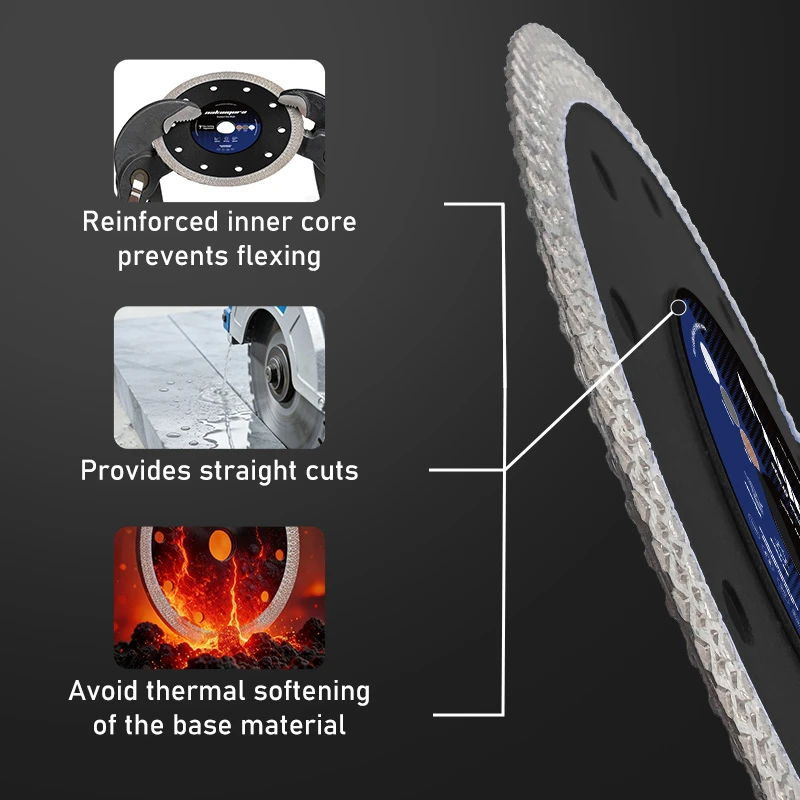
The steel core supports the blade during high-speed rotation. A reliable core needs proper rigidity, flatness, and resistance to deformation. Without a stable body, even a durable cutting edge may still lead to wandering cuts, heat buildup, or vibration.
The diamond or PCD tip does the main cutting work. For abrasive materials, the cutting edge must balance wear resistance and sharpness. If the edge is too hard for the material, cutting may become slow and hot. If it wears too quickly, tool life will be reduced.
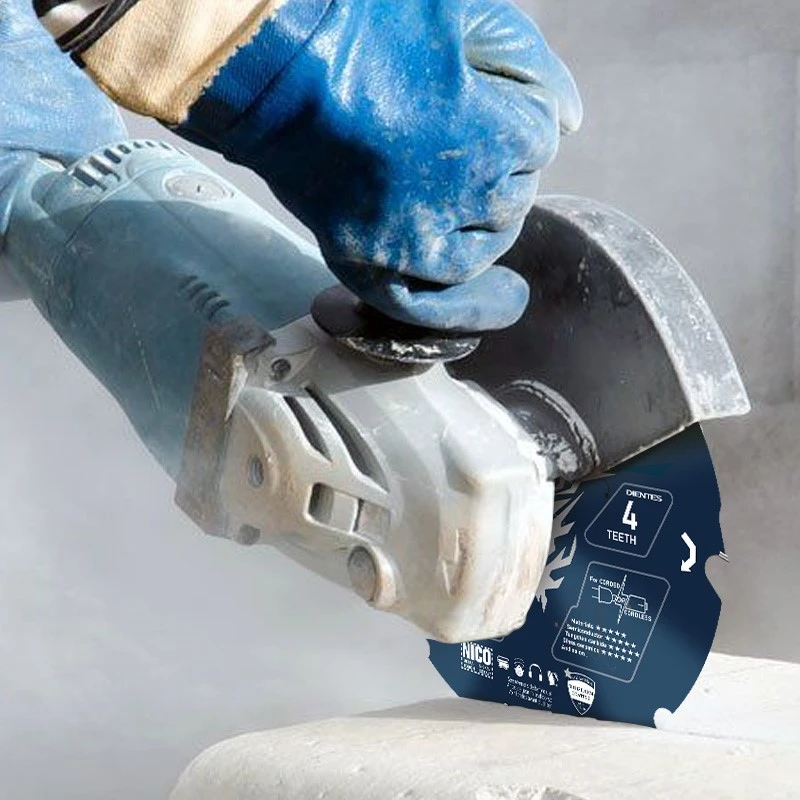
Tooth geometry and chip clearance are also important. Fiber cement board, for example, is highly abrasive and produces fine dust during cutting. The blade needs suitable tooth count, tooth shape, and gullet space. Nakamura's 7 1/4 Fiber Cement Blade uses a low-tooth-count PCD structure, making it suitable for fiber cement cutting with handheld circular saws and jobsite equipment.
3. Manufacturing Process Defines Stability
Common processes for diamond-class saw blades include sintering, welding, brazing, electroplating, and PCD tip processing. These processes are not simply "better" or "worse." Each one has its proper application.
Sintering is often used for diamond segments or continuous rim blades. Through metal powder formulation, diamond particle selection, pressing, and sintering, the segment gains wear resistance and controlled self-sharpening behavior.
Laser welding is commonly used to connect diamond segments to the steel core. It is often chosen when stronger attachment and better heat stability are required. The focus is connection reliability between the segment and the blade body.
Brazing and vacuum brazing are used for certain diamond tool structures. Vacuum brazing can expose diamond grits more fully and is often used in cutting-and-grinding tools, but it should not be described as suitable for every heavy-duty cutting condition.
For PCD saw blades, the key points are PCD tip quality, brazing stability, tooth geometry, and cutting-edge grinding accuracy. For smaller-diameter abrasive material cutting, the 10T PCD Cutting Blade can be used for cement-based siding, ultra-hard synthetic fiber exterior materials, and similar board applications where edge stability and wear resistance matter.
4. Quality Control Is More Important Than Slogans
For industrial saw blades, reliable quality control is not a marketing statement. It is a repeatable process.
At the raw material stage, steel plate quality, body hardness, and consistency of PCD or diamond tips must be controlled. During processing, blade flatness, axial runout, radial runout, tooth angle, brazing or welding strength, and balance can all affect cutting performance.
Finished blades also need trial cutting with real materials. When cutting fiber cement board, for example, users should check edge chipping, dust evacuation, cutting resistance, tip wear, and heat buildup. A blade only becomes suitable for repeat orders when these indicators remain stable.
5. Different Materials Require Different Blade Choices
Stone, ceramic, concrete, fiber cement, and composite materials may all be difficult to cut, but they do not require the same blade structure.
Stone and concrete cutting usually depends on diamond segment formulation, wet or dry cutting conditions, machine power, and segment cooling. Ceramic and tile cutting focuses more on continuous rim design, edge chipping control, and cooling. Fiber cement board, gypsum board, mineral-based panels, and certain composite boards are often better matched with PCD saw blades, especially when users want longer life and fewer blade changes.
That is why blade selection should not stop at the word "diamond." Users need to consider the material, machine power, cutting method, edge requirement, and cutting frequency. For factories and contractors, the best blade is not always the one with the most aggressive specification, but the one that balances stable cutting, tool life, and total cutting cost.
Conclusion
The development of saw blade technology is not only about making the cutting edge harder. It is about making the blade more suitable for the material and the working condition.
The value of Nakamura diamond-class saw blades should not be limited to broad words such as "sharp" or "durable." It should be understood through real applications: what material is being cut, what machine is being used, what edge quality is required, and what cost efficiency the user expects.
When material, process, and application are properly matched, a saw blade can deliver stable value in abrasive material cutting.