

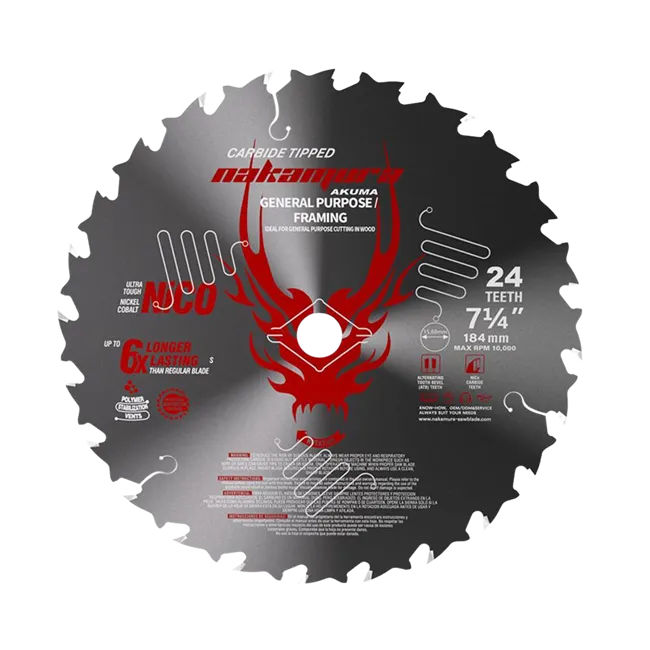
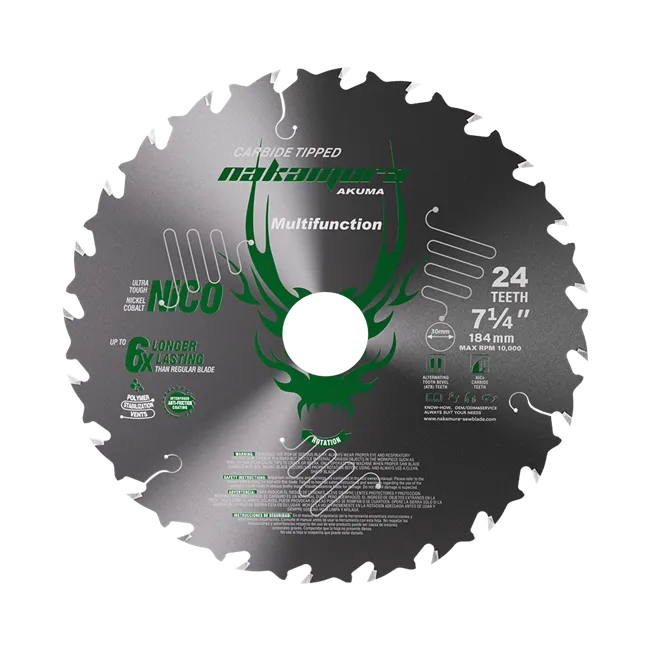

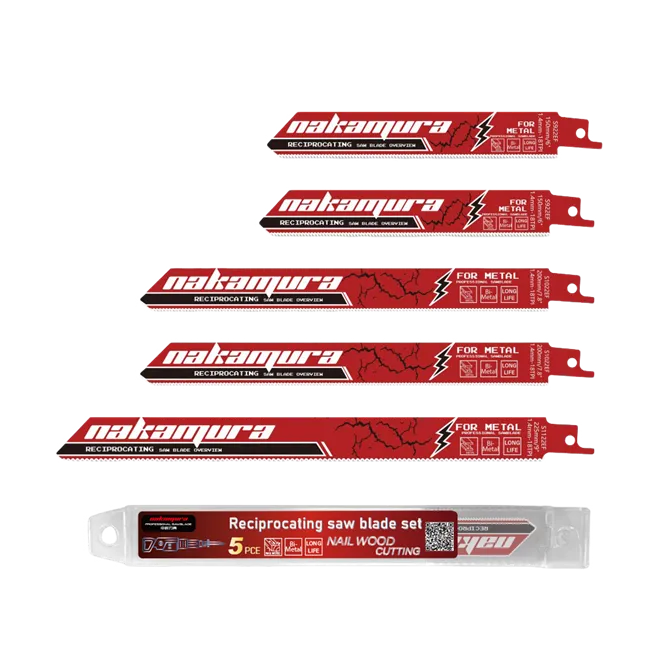
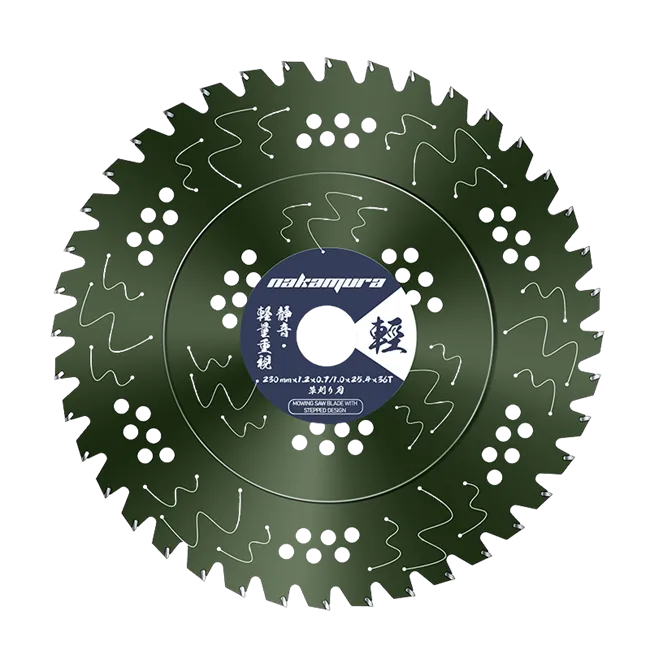
When users pick up a saw blade, they first notice the tooth shape, coating, and packaging. But once the blade starts cutting, the first thing they feel is sharpness.Does the blade cut smoothly? Does the edge look clean? Does the machine vibrate? Is the motor under heavy load? In many cases, these details are closely connected with grinding quality. For TCT carbide-tipped blades, metal cutting blades, and PCD cutting blades, grinding is not just about making the teeth sharp. It is about accurately forming the hook angle, clearance angle, side angle, tooth height, and cutting edge condition.That is why grinding is often considered the final key process behind saw blade sharpness.
Grinding is not only about sharpness. It is about accuracy.
Many people think grinding only means making the blade sharper. In professional saw blade production, consistency is just as important.If tooth height is not consistent, only a few teeth will contact the material first during cutting. This creates uneven load. The result may be rough edges, higher noise, faster tip wear, or even edge chipping.If the hook angle, clearance angle, or side clearance is not properly ground, cutting resistance increases. Wood may become fuzzy, metal may create more burrs, and abrasive panels may show unstable kerfs or edge damage.So the purpose of grinding is not to chase maximum sharpness. It is to balance sharpness, edge strength, and tooth consistency.
Hardwood cutting: edge sharpness affects cutting feel
Hardwood is dense and has strong fiber structure, so cutting resistance is higher than softwood. If the blade edge is not sharp enough, or if left and right tooth angles are inconsistent, the user may experience higher pushing force, rougher edges, burning, and increased machine load.The Nakamura Circular Saw Blades for Hard Wood are designed for hardwood cutting applications. The product page highlights a thin kerf design and cordless tool compatibility, making the blade suitable for efficient jobsite cutting and stable cutting entry. For this type of hardwood blade, grinding quality directly affects cutting speed, edge smoothness, and stability during repeated cutting.For woodworking users, good sharpening is not only about how sharp the tooth looks. It is about smooth entry, stable kerf, clean edges, and consistent performance after repeated cuts.
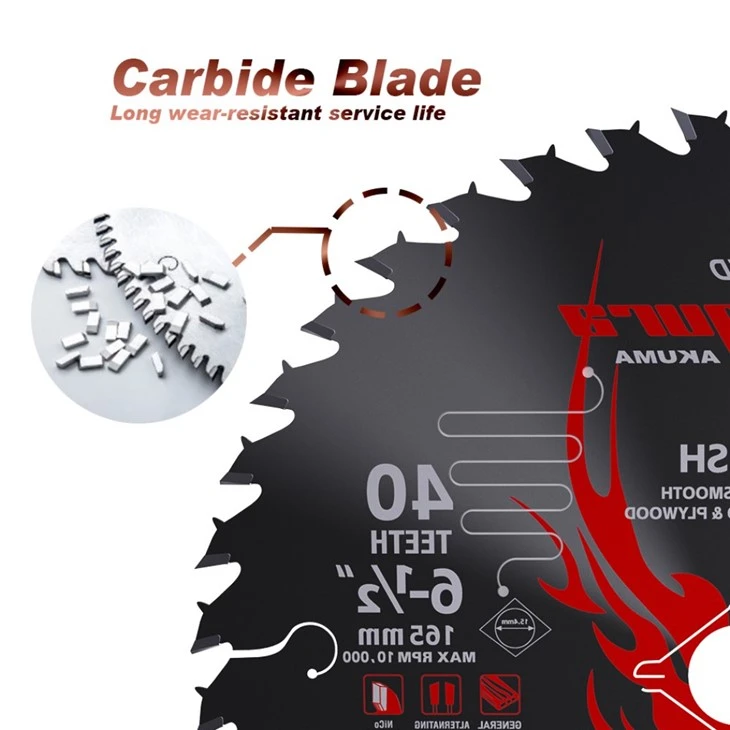
Metal cutting: grinding must balance sharpness and edge strength
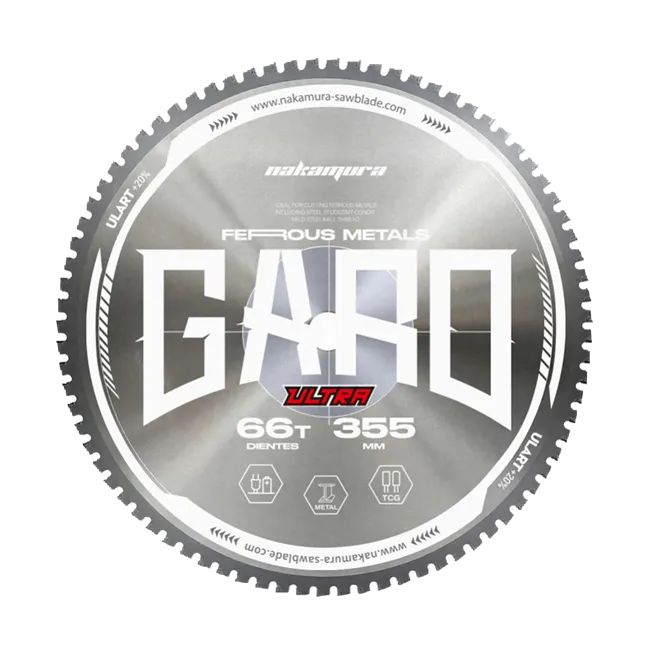
Metal cutting is different from wood cutting. Metal creates higher cutting resistance and more heat, so the cutting edge needs stronger support.If the edge is too thin, the blade may feel fast at first, but it can wear or chip more easily when cutting steel, aluminum, or metal profiles continuously. If the edge is too blunt, cutting resistance, burrs, and heat may increase.The Nakamura 10 Circular Saw Blade for Cutting Metal is designed for metal cutting applications. The product page introduces its use for steel, aluminum, and other metals, with a focus on stable and accurate cutting. For this blade type, precision grinding must keep tooth geometry consistent while also maintaining edge strength, helping reduce vibration, burrs, and secondary finishing pressure.This is why metal cutting blades cannot simply follow the same grinding logic as woodworking blades. Different materials require different edge designs.
PCD cutting blades: superhard tips demand higher grinding control
PCD tips offer excellent wear resistance, but they are also more difficult to grind. Standard grinding methods may not process PCD edges consistently, so PCD blades require suitable equipment, wheels, cooling, and technical experience.The Nakamura 10T PCD Cutting Blade is a 125mm*10T blade with a 1.2mm body and B/V teeth. It is designed for cement exterior materials, ultra-hard synthetic fiber exterior materials, selected stone slabs, and similar abrasive materials. For this type of PCD product, grinding is not simply about making the edge sharp. It is about controlling the height, angle, and edge consistency of every PCD tip.If PCD edge angles are inconsistent, cutting load becomes uneven. This may cause higher noise, kerf deviation, reduced edge quality, and shorter tool life.
Key requirements for precision grinding
- Stable tooth geometry.Hook angle, clearance angle, and side angle must match the blade design. Different materials require different tooth forms, so one grinding parameter cannot fit every blade.
- Consistent tooth height.Every tooth should stay within a controlled height range to prevent a few teeth from carrying excessive cutting load.
- No grinding burn.If heat is not controlled during grinding, micro-cracks, local damage, or edge degradation may occur. Cooling, feed rate, and wheel condition must be controlled.
- Controlled runout.After grinding, runout, radial deviation, and tooth consistency need to be checked. A saw blade is a high-speed rotating tool, so dynamic stability matters more than appearance alone.
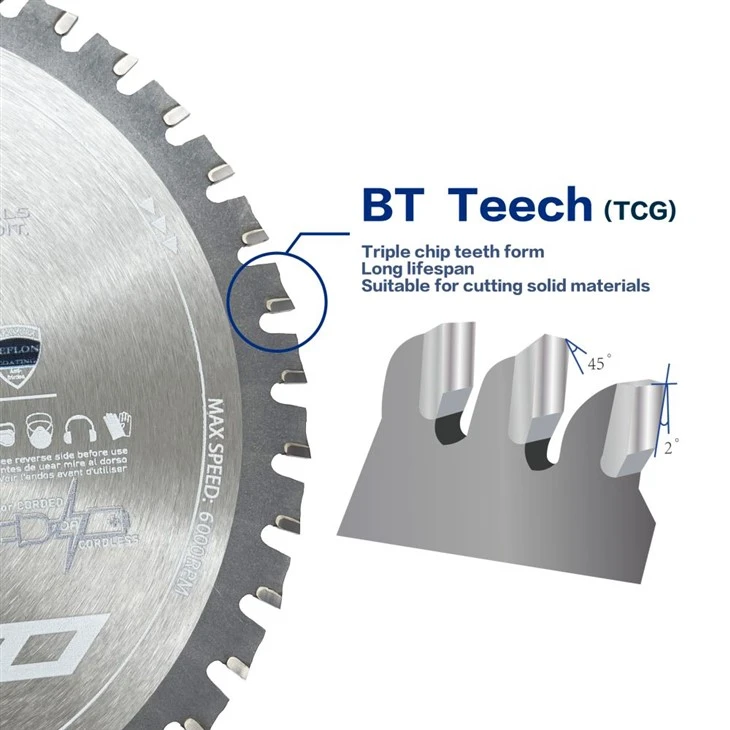
Wheel selection cannot be generalized
The original text mentioned CBN wheels for precision grinding. This needs to be stated more carefully.In the saw blade industry, tungsten carbide tips and PCD tips are more commonly ground with diamond grinding wheels. CBN wheels are more often used for high-speed steel, hardened steel, cast iron, and other ferrous materials. The final wheel choice depends on tip material, grinding position, grit size, bond type, cooling method, and machine rigidity.A more accurate description is this: Nakamura selects suitable precision grinding solutions according to blade category, tip material, and cutting application, instead of using one wheel type for all sharpening tasks.
Conclusion
Grinding is the final key process behind saw blade sharpness, but it does not work alone.A high-quality saw blade requires blade body material, heat treatment, tensioning, tip brazing, tooth geometry, wheel selection, precision grinding, and inspection to work together. Nakamura uses a system-based manufacturing approach to help hardwood blades, metal cutting blades, and PCD cutting blades deliver sharper, more stable, and more controlled cutting performance across different materials and working conditions.Nakamura - precision sharpening for visible cutting quality.