



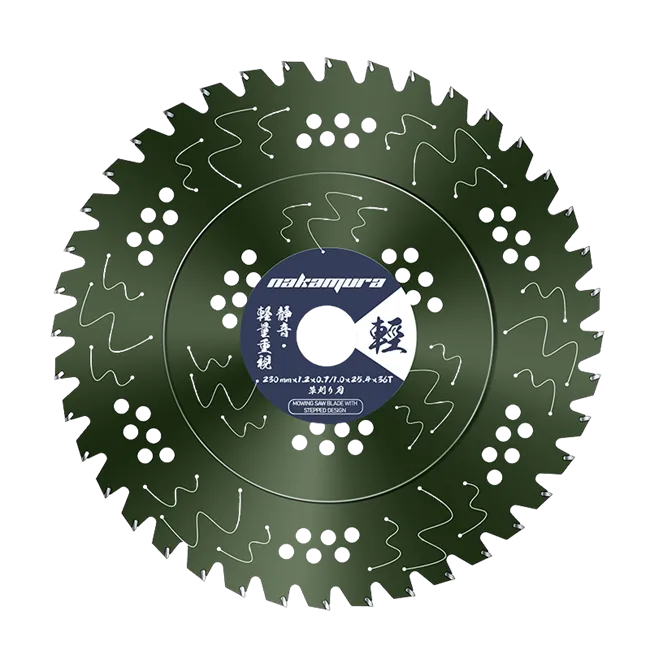
When people look at a saw blade, they usually notice the teeth, coating, blade shape, and packaging. What they cannot see is the internal structure of the blade body, residual stress, hardness distribution, and tension condition. These hidden factors often determine whether the blade can run steadily at high speed.
For Nakamura, heat treatment is not just a technical phrase. It is one of the foundations of blade stability.
What does heat treatment affect?
- Blade body hardness.The blade body needs enough hardness to maintain its shape during high-speed rotation and continuous feeding. If hardness is too low, the body may deform, wobble, or lose stability more easily.
- Toughness.A saw blade is not better simply because it is harder. If hardness is too high without enough toughness, the body may become more vulnerable to cracking under impact, blade binding, or abnormal working conditions. Good heat treatment is about balancing hardness and toughness.
- Internal stress.After cutting, forming, heating, and cooling, steel may contain internal stress. If heat treatment and later tensioning are not well controlled, the blade may deform, vibrate, become noisy, or produce an unstable kerf during use.
- High-speed stability.A circular saw blade is not a static tool. It works under high-speed rotation. Body flatness, roundness, runout, and tension condition all affect cutting stability.
Heat treatment must match the application

Different saw blades require different heat treatment targets.
- Woodworking blades need body elasticity, flatness, and vibration control.
- Metal cutting blades need heat stability, impact resistance, and strong support for cutting tips.
- PCD blades require stable blade bodies for low-tooth-count, high-wear, and dusty cutting conditions.
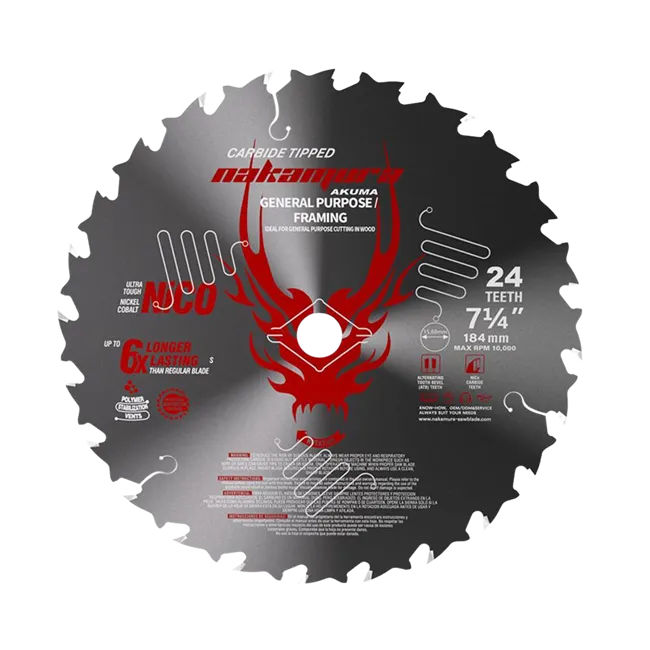
For example, the Nakamura 184mm TCT Saw Blade For Wood is designed for framing timber, OSB, MDF, plywood, and general woodworking materials. This type of blade needs sharp cutting, but it also needs stable running during jobsite cutting and repeated use.The goal of heat treatment is not to chase the highest possible hardness. It is to help the blade run more steadily in real materials and real machines.
Industry trend: more precise and data-driven
In the past, many saw blade manufacturers relied heavily on experience to control heat treatment. Today, the industry is moving toward more precise and data-driven manufacturing.Fast heating, controlled cooling, stable tempering, furnace temperature uniformity, hardness testing, flatness inspection, and tensioning can all affect final batch consistency.However, without a public test report, claims such as "30% better hardness consistency" or "second-generation rapid quenching technology" should not be used casually. A more professional way to say it is that advanced heat treatment processes help improve blade body stability, reduce deformation risk, and support thinner, lower-vibration, and more consistent blade designs.
Metal cutting blades: heat stability matters more
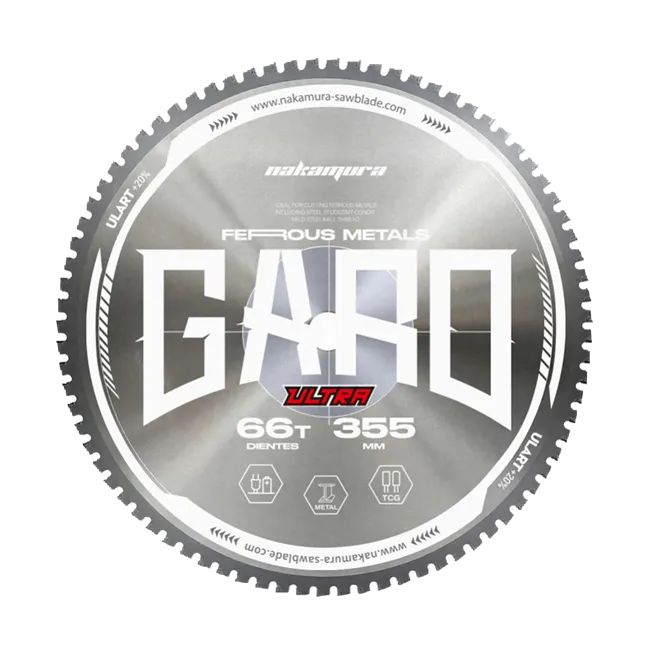
During metal cutting, a blade faces higher friction heat, impact load, and cutting resistance. Heat treatment, body thickness, expansion slots, coating, tooth geometry, and tip material must work together.The Nakamura Cold Cut Metal Saw Blade is designed for cutting steel pipes, angle steel, channels, rebar, and metal profiles. Its anti-friction coating, stabilization vents, and BT tooth design help reduce heat build-up, vibration, and cutting instability.For metal cutting blades, heat treatment is not only about making the body hard. It is about keeping the blade stable under heat load and repeated cutting.
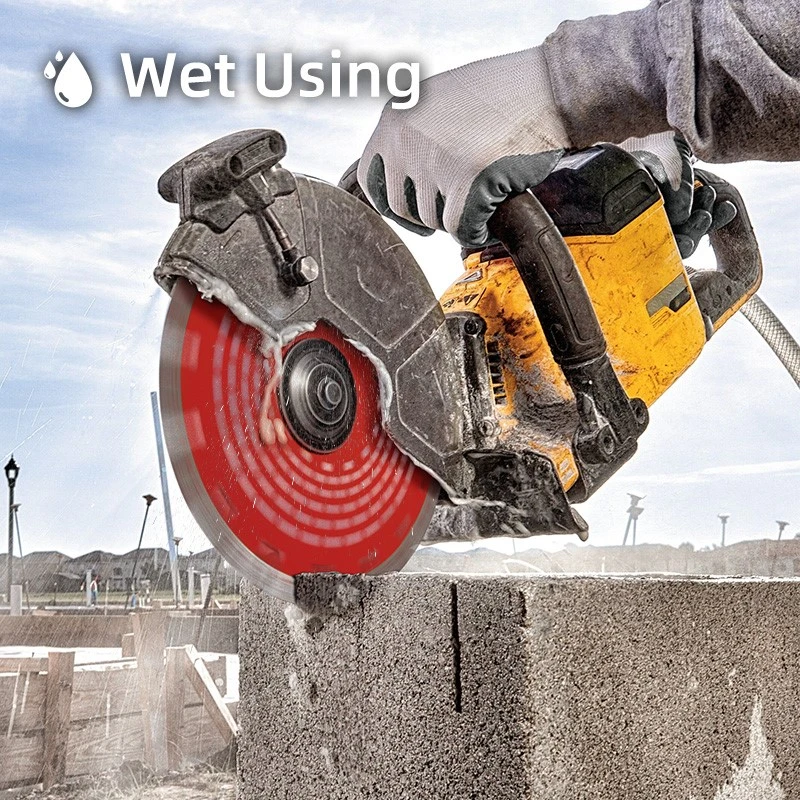
PCD blades: stable body support for superhard tips
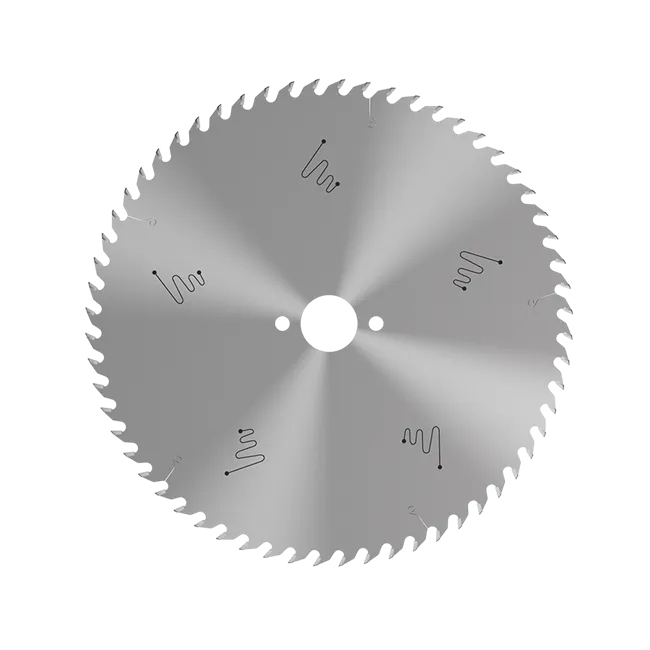
PCD tips offer strong wear resistance, but a PCD blade cannot depend on the tips alone. If the blade body is not stable, the blade may still suffer from kerf wandering, vibration, noise, and reduced edge quality.The Nakamura 184mm Fiber Cement Board Blade is designed for fiber cement board, mineral-based panels, and selected high-wear sheet materials. These materials create dust, abrasion, and impact load. The blade needs PCD tips, body stability, chip clearance, and vibration reduction to work together.This is why heat treatment should never be judged alone. It must be considered together with blade body material, tooth geometry, tip material, brazing, grinding, and inspection.
How Nakamura understands heat treatment quality
Nakamura pays attention to the result of heat treatment, not only the name of the process.
- A stable blade should run smoothly at high speed.
- A reliable blade body should maintain flatness and proper tension.
- A clean cut depends on tooth geometry, tip quality, grinding, and body stability.
Consistent batches depend on repeatable inspection standards.After heat treatment, flatness inspection, runout testing, tensioning, appearance inspection, brazing quality checks, and trial cutting are also important. Only when these steps work together can a saw blade be considered ready for real use.
Conclusion
Heat treatment is a hidden factor behind saw blade quality, but it is not the only factor.A stable saw blade depends on blade body material, heat treatment, tensioning, tip brazing, tooth geometry, precision grinding, and quality inspection. Nakamura uses a system-based manufacturing approach to help woodworking blades, metal cutting blades, and PCD blades perform more steadily and reliably in real working conditions.Nakamura - hidden heat treatment, visible cutting stability.