

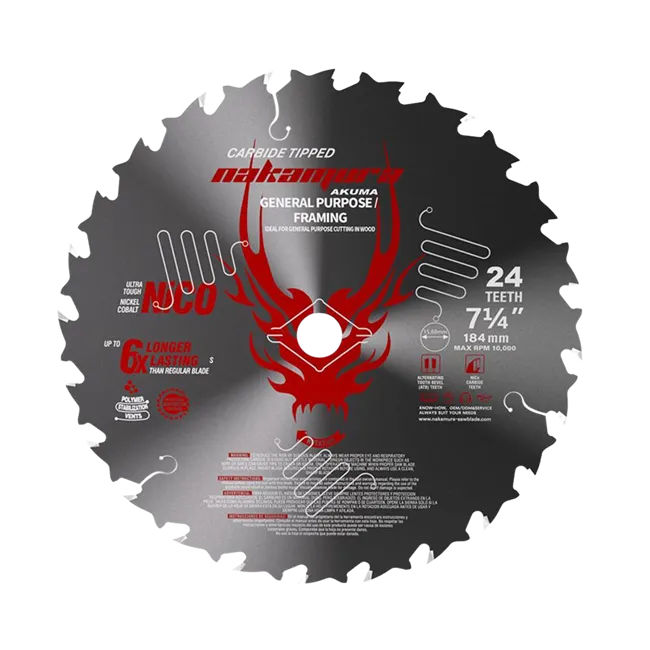
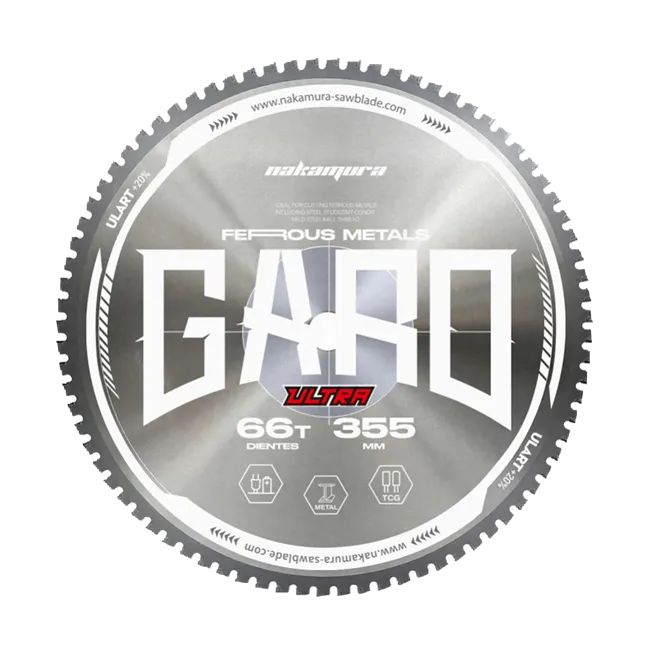
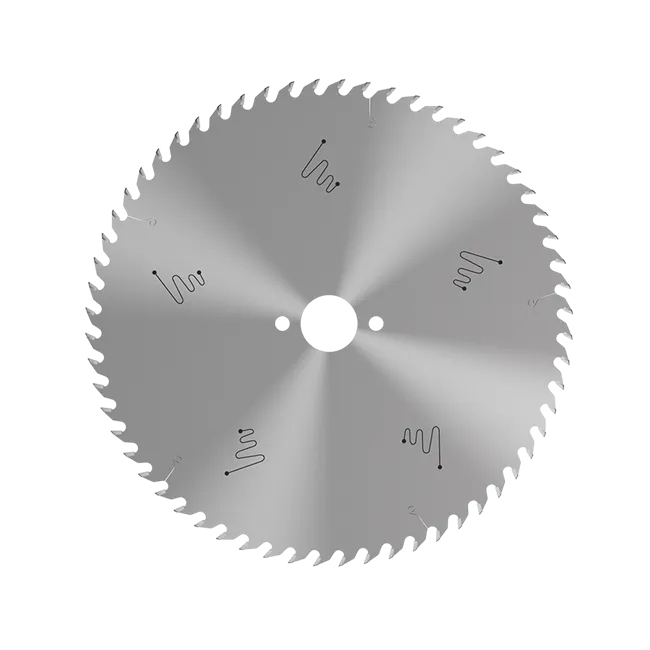
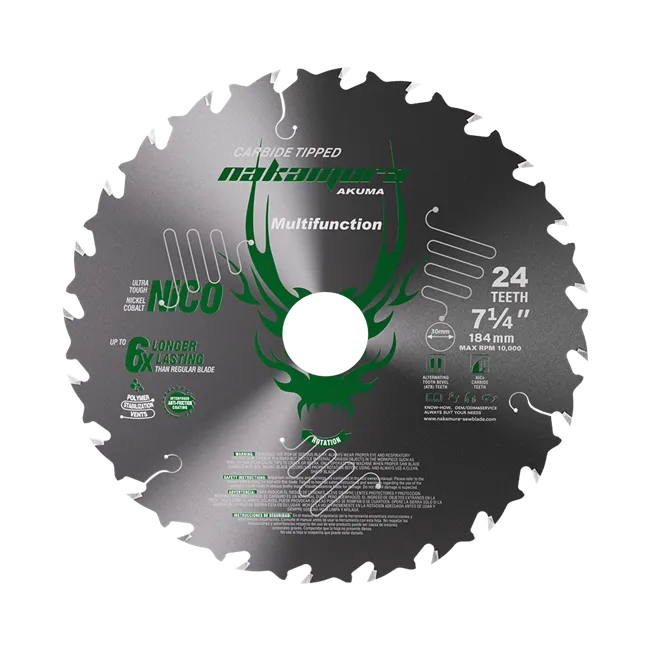

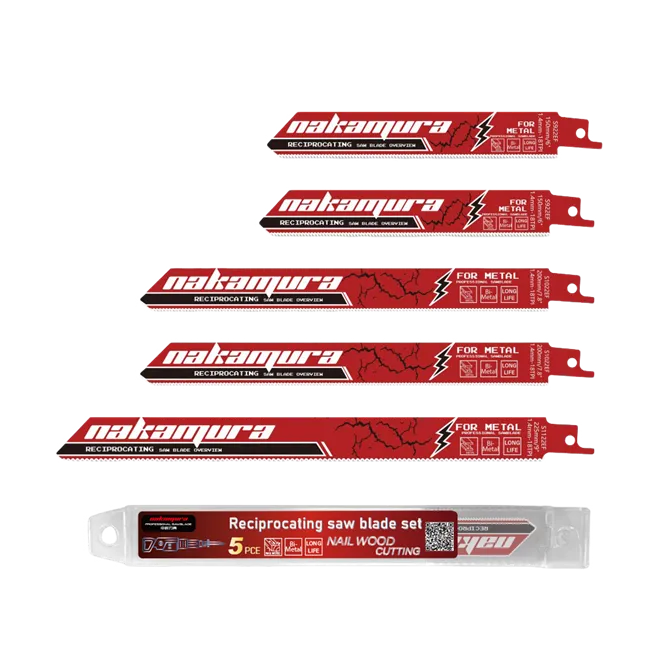
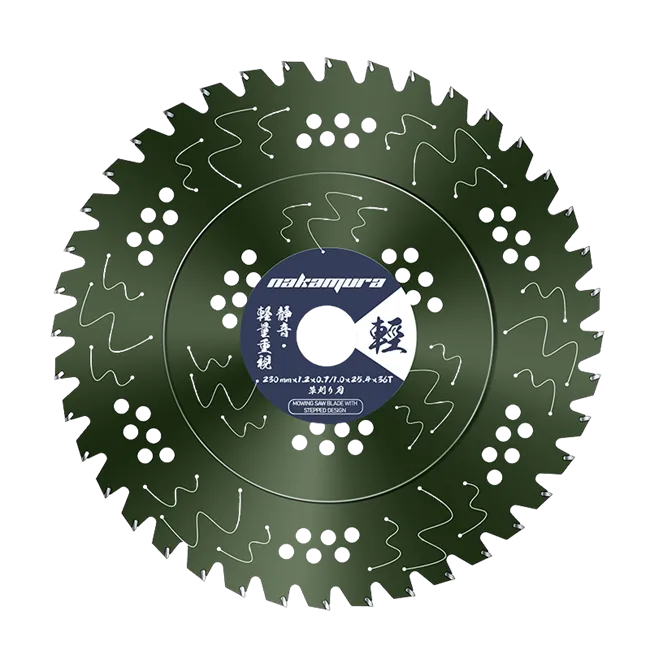
In the current era of pursuing sustainable development, the manufacturing industry is undergoing profound transformation, with green manufacturing principles permeating every production stage. As an indispensable tool in metalworking, iron-cutting saw blades are also evolving through innovation and practice, emerging as steadfast practitioners of green manufacturing and laying the foundation for the industry's sustainable development.
1. Energy Conservation: Optimized Cutting Processes to Reduce Energy Consumption
Traditional metal cutting processes are often energy-intensive, but advancements in saw blade technology aim to address this issue. Modern iron-cutting saw blades are designed to optimize cutting processes and minimize energy waste. For instance, innovative tooth geometry designs enable smoother material penetration during steel cutting, reducing cutting resistance. This allows cutting equipment to operate at lower drive power, significantly decreasing electricity consumption during prolonged operations.
For example, a large steel structure manufacturer reduced its cutting equipment's energy consumption by approximately 15% when processing identical steel specifications and volumes after adopting saw blades with optimized tooth designs. This energy-saving outcome not only alleviates corporate energy costs but also contributes to easing societal energy supply pressures. Additionally, high-end saw blades equipped with intelligent speed control systems dynamically adjust rotational speeds based on material hardness and thickness, ensuring minimal energy consumption without compromising cutting quality, thereby enhancing energy efficiency.
2. Material Innovation: Eco-Friendly Material Development to Minimize Resource Waste
Material selection and R&D for saw blades themselves are critical to green manufacturing. Traditional blade materials, during production, use, and disposal, may cause environmental issues such as resource depletion and pollution. Today, researchers are actively exploring eco-friendly alternatives to mitigate these impacts.
On one front, manufacturers are adopting recyclable materials for blade substrates, such as novel aluminum alloys or specially treated high-strength steels. These materials enable efficient recycling post-service life, where blades are melted and reprocessed into new metal products, improving resource circularity by approximately 30% compared to conventional blades.
On another front, eco-friendly coatings are replacing hazardous counterparts. Traditional coatings containing heavy metals risk environmental contamination through chip dispersion. Modern alternatives like nano-ceramic coatings and silicone-based coatings offer superior wear resistance and lubrication, extend blade lifespan, and are non-toxic, biodegradable, and pollution-free, aligning with green manufacturing principles at the material level.

3. Noise and Vibration Reduction: Enhancing Workplace Comfort and Mitigating Environmental Noise
Noise and vibration during metal cutting have long plagued workshop environments, harming operator health and causing community noise pollution. Saw blade manufacturers have achieved breakthroughs in noise and vibration suppression through technological innovation.
Structurally, damping materials embedded within blade cavities or optimized edge profiles absorb and dissipate vibrational energy, reducing blade oscillation. This not only minimizes equipment wear and prolongs machinery lifespan but also significantly controls noise levels.
For instance, a precision machinery workshop reduced its average noise level from over 90 decibels (dB) to around 80 dB-meeting national industrial noise emission standards-after adopting vibration-damped saw blades. This improvement fosters a quieter workspace for operators and reduces community noise disturbances, exemplifying corporate social responsibility in green manufacturing.
4. Lifespan Extension: Enhanced Durability to Reduce Waste Generation
Extending saw blade service life is another pillar of green manufacturing. Modern blades achieve greater durability through advanced manufacturing processes and optimized heat treatments.
Powder metallurgy techniques produce carbide teeth with balanced hardness, toughness, and wear resistance, enabling blades to withstand harsh cutting conditions while minimizing tooth wear and chipping. Concurrently, precision heat treatments enhance substrate strength and fatigue resistance, preventing blade deformation during prolonged use.
For example, a mold manufacturer previously replaced standard blades after cutting dozens of mold steel blanks. With high-performance blades, service life increased 2–3 times, allowing hundreds of blanks to be cut per blade. This reduces procurement frequency, minimizes waste from frequent replacements, and lowers environmental risks. Longer-lasting blades also reduce downtime, boosting productivity and achieving economic-environmental synergies.

5. Conclusion
Iron-cutting saw blades are advancing resolutely in green manufacturing, demonstrating their role as sustainability practitioners through energy conservation, material innovation, noise reduction, and lifespan extension. As technology progresses, these blades will continue driving the green transformation of metalworking, fostering a more eco-friendly and efficient manufacturing future.