


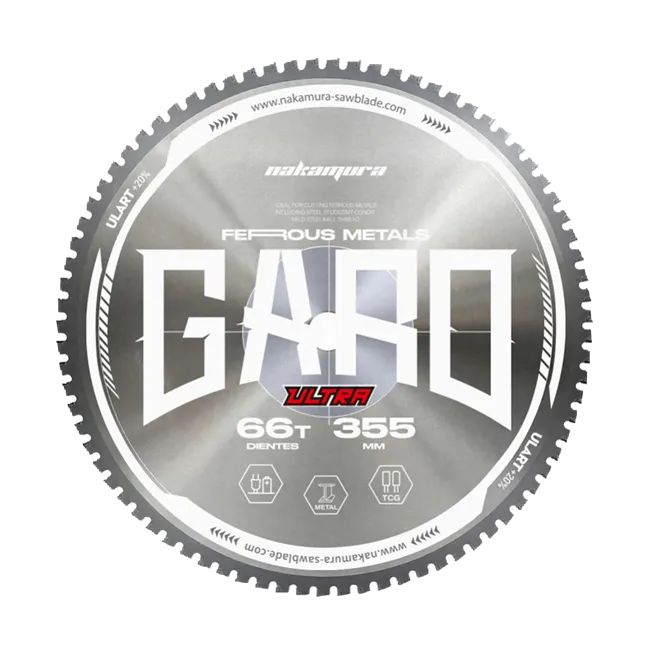
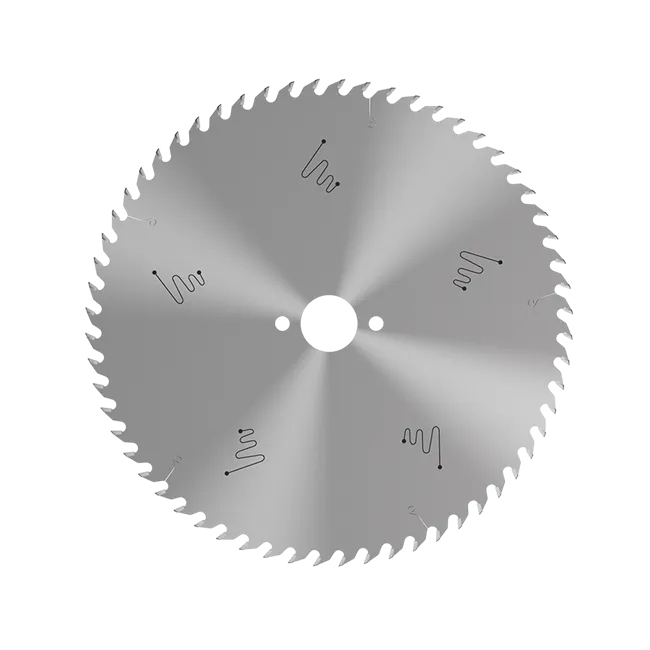


When setting up a workshop or tackling a woodworking project, choosing the right saw blade is critical. Among the many factors – tooth count, grind, material – "blade size", specifically the diameter, is fundamental. But asking "what is the *most popular* wood saw blade size?" Popularity is heavily dictated by the type of saw itself.
Here's a breakdown of the most common and popular sizes based on saw categories:
1. Circular Saws (Handheld & Worm Drive): The Undisputed King - 7-1/4" (184mm)
(1) Why it's Popular: This size is overwhelmingly the standard for handheld circular saws, the most common power saw in DIY and professional carpentry. Its popularity stems from:
(2) Versatility: Handles a vast range of cutting tasks in dimensional lumber (2x4s, plywood sheets) efficiently.
(3) Power & Depth: Offers sufficient cutting depth (usually around 2-1/2" at 90°) for most framing and sheet goods work while being manageable in weight.
(4) Ubiquity: Virtually every major brand produces saws and blades in this size, making replacements and upgrades easily accessible and affordable.
(5) Other Sizes: Smaller saws (e.g., trim saws) often use 6-1/2" or 5-3/8" blades, while larger corded or cordless models might use 6-1/2" or the increasingly common **7-1/4"**. Compact cordless saws sometimes use 6-1/2", but 7-1/4" remains the dominant force.
As you're looking at blades for these tools, keep these general tips in mind:
- Blades with fewer teeth cut faster, but those with more teeth create a finer finish.
- Gullets between the teeth remove chips from the work piece. Deeper gullets often mean more aggressive teeth and faster cutting.
- Expansion slots help prevent warping as a blade heats and cools during use. They also reduce vibration, creating a straighter cut.

2. Miter Saws & Table Saws: The Powerhouse Range - 10" (254mm) & 12" (305mm)
(1) 10" Blades: This is arguably the **most popular size for stationary saws**. It's the standard for:
a. Sliding Compound Miter Saws: The workhorse for precise crosscuts, crown molding, and trim. A 10" blade offers excellent capacity and versatility for most tasks.
b. Contractor & Hybrid Table Saws:** Provides ample power and cutting depth for ripping and crosscutting solid wood and sheet goods efficiently. It's a great balance between capability and cost.
(2) 12" Blades: Gaining significant popularity, especially in:
a. Larger Sliding Miter Saws: Essential for cutting wider boards (like 6x6 timbers or large crown molding) in a single pass. Their increased capacity makes them highly desirable for serious DIYers and pros.
b. Cabinet Table Saws: Often standard or optional on higher-end cabinet saws, offering maximum cutting depth and stability for heavy ripping and deep dados.
c. Popularity Dynamics: While 10" is still incredibly common, the demand for increased capacity has made 12" blades extremely popular for larger miter saws. For table saws, 10" remains the baseline standard, but 12" is common in professional settings.
3. Beyond Diameter: Kerf Thickness Matters Tool
While diameter is crucial for fitting the saw, the **kerf** (the width of the cut the blade makes) significantly impacts performance. Popular choices include:
(1) Full Kerf (1/8" / ~3.2mm): Stiffer, less prone to deflection, better for heavy ripping. Common on larger saws.
(2) Thin Kerf (~3/32" / ~2.4mm): Requires less power, removes less material, popular for maximizing efficiency on lower-powered saws (like many jobsite table saws and some miter saws).

NEVER force a blade onto a saw it's not designed for. Always match the blade diameter precisely to your saw's specifications for safety and optimal performance. The "most popular" size is meaningless if it doesn't fit your specific tool. Choose based on your saw's requirements and the cutting tasks you perform most often.