


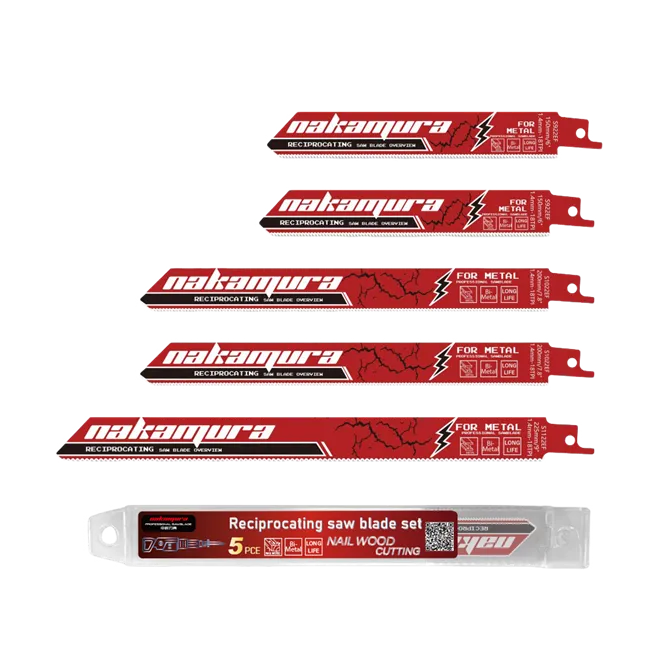
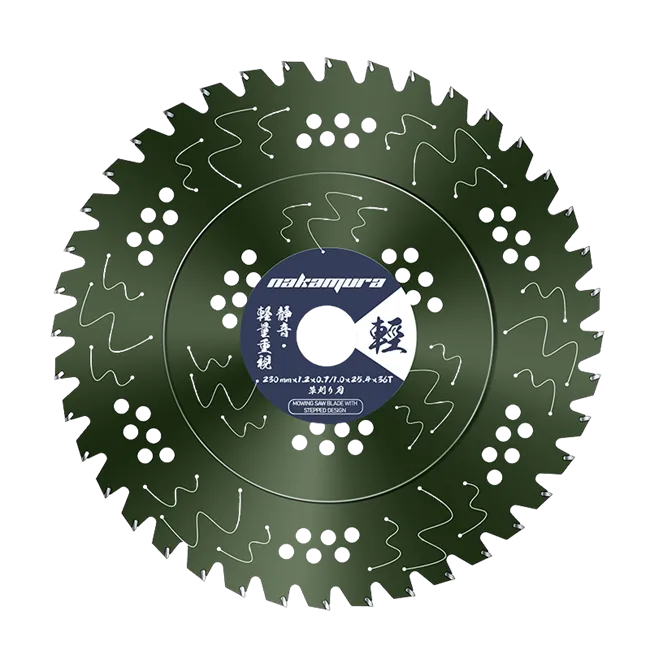

Metal cutting technology has evolved significantly over the years. Traditional abrasive cutting discs remain widely used because of their low initial cost and broad availability. However, for professional workshops, fabrication facilities, and production environments, cutting efficiency, blade life, edge quality, and operating stability are becoming increasingly important.
This has driven growing interest in carbide and cermet-tipped metal cutting saw blades.
Unlike abrasive discs that continuously wear during cutting, modern metal cutting saw blades use engineered cutting teeth to remove material in a controlled manner. With the right blade, machine, and cutting parameters, users can achieve faster cutting, reduced sparks, cleaner edges, and longer tool life.
Why Metal Cutting Blade Design Matters
Metal is a demanding material to cut. Heat generation, impact loads, vibration, material hardness, and chip evacuation can all influence blade performance.
A high-performance metal cutting blade therefore depends on several factors, including the blade body, tooth material, tooth geometry, brazing technology, kerf, and manufacturing precision.
NAKARUMA develops metal circular saw blades for different steel and metalworking applications, combining precision-manufactured blade bodies with carbide or cermet cutting teeth.
NAKARUMA Cold Cut Metal Saw Blade
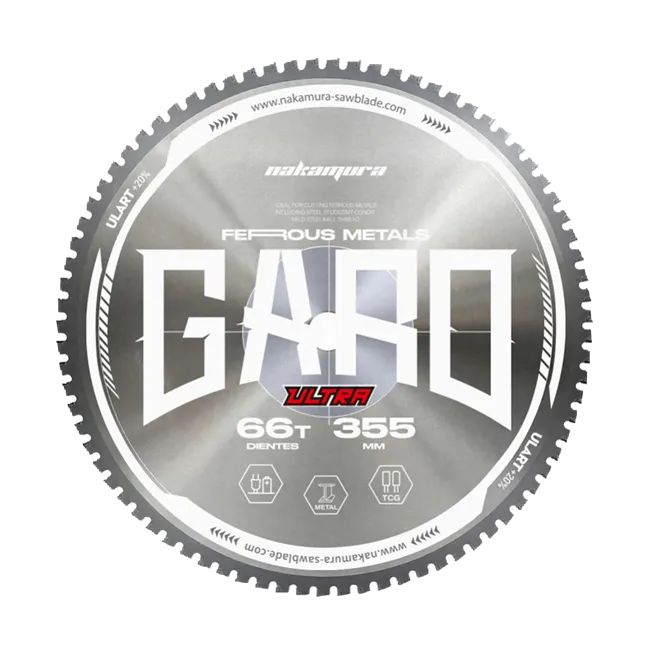
The Cold Cut Metal Saw Blade is designed for cutting steel bars, pipes, profiles, angle iron, rebar, and other metal materials.
Its BT tooth geometry is designed around metal chip formation, while the blade body can incorporate stabilization features to help control vibration and noise. A Teflon coating can also help reduce friction and material adhesion during cutting.
The cold-cutting approach allows users to achieve cleaner cuts with significantly fewer sparks compared with conventional abrasive cutting methods.
Cermet Technology for Metal Cutting
Cermet is increasingly used in demanding metal cutting applications because of its combination of hardness, heat resistance, and wear performance.
Compared with conventional carbide in certain steel-cutting applications, cermet can maintain its cutting properties at elevated temperatures. This makes it particularly suitable for dry-cutting applications where thermal control is important.
NAKARUMA Cermet Tipped Saw Blade
The Cermet Tipped Saw Blade is developed for users looking for improved wear resistance and stable cutting performance in metal applications.
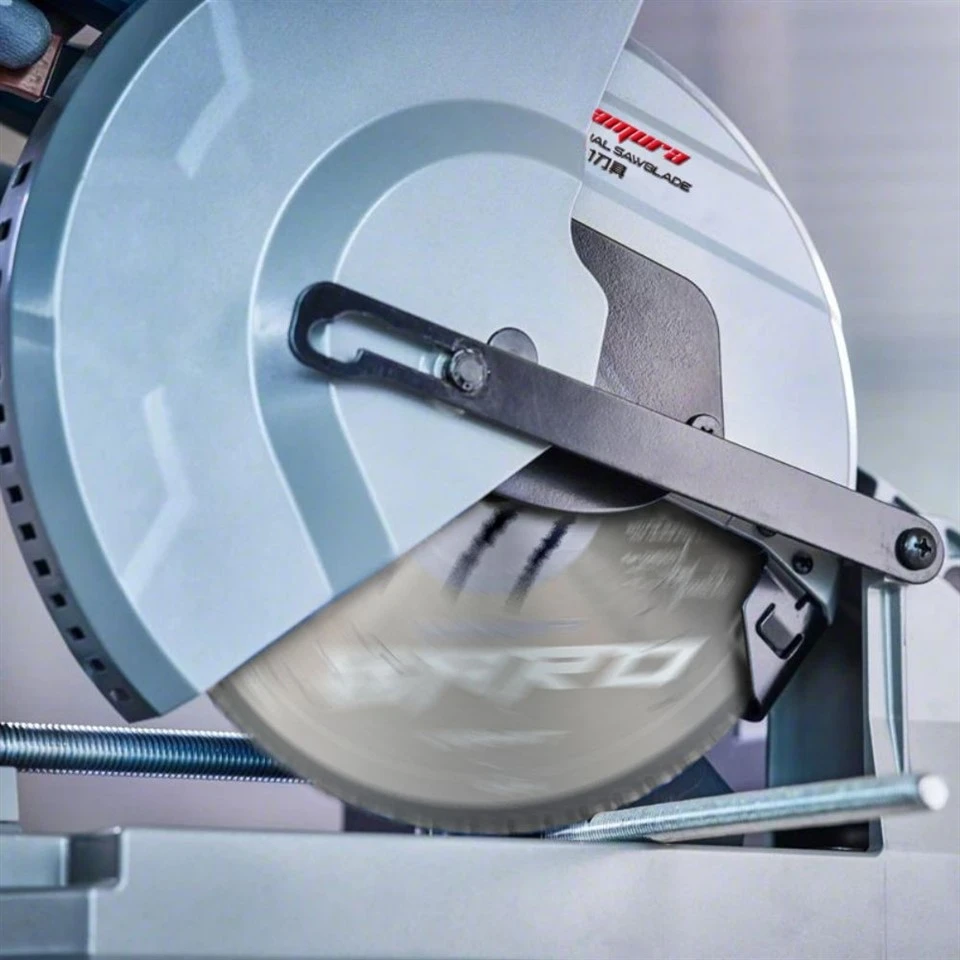
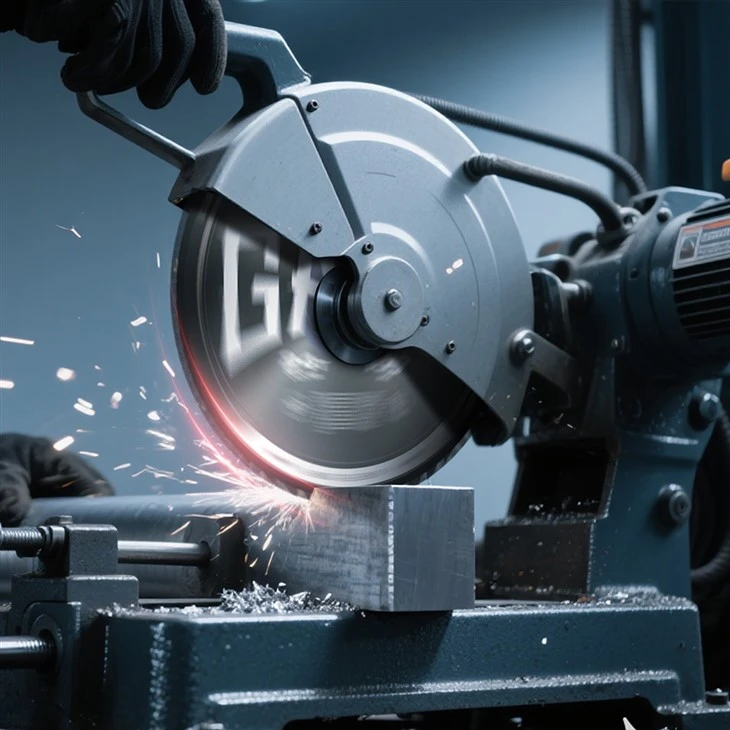
Cermet-tipped teeth can provide a durable cutting edge while maintaining consistent cutting characteristics over extended use. Combined with a precision-manufactured blade body, this design is suitable for professional metalworking environments where blade replacement frequency and cutting consistency are important.
Cutting Stainless Steel Requires Specialized Performance
Stainless steel presents additional challenges because of its hardness, toughness, and tendency to generate heat during cutting.
Using a blade specifically designed for stainless steel can help control cutting resistance and improve edge quality.
NAKARUMA Stainless Steel Cutting Saw Blade
The Stainless Steel Cutting Saw Blade is part of the company's metal cutting solutions for stainless steel pipes, square tubes, and profiles.
Designed with specialized tooth configurations and blade-body specifications, stainless steel cutting blades can provide more controlled cutting performance compared with using a general-purpose metal blade.
For production applications, selecting a blade specifically matched to the material can help improve consistency and extend usable blade life.
Vibration and Cutting Stability
Blade stability is another important factor in metal cutting.
During high-speed rotation, vibration can affect cutting accuracy, surface quality, tooth wear, and operator comfort. Precision blade-body manufacturing and stabilization technologies can help control these effects.
Modern metal cutting blades may incorporate laser-cut slots or other stabilizing structures to improve running stability.
NAKARUMA's metal cutting blade solutions are manufactured with attention to blade flatness, tooth geometry, grinding precision, and overall balance.
Choosing the Right Metal Cutting Saw Blade
There is no single metal cutting blade that is ideal for every application.
When selecting a blade, users should consider:
Material type
Material thickness
Machine type
Blade diameter
Arbor size
Tooth count
Tooth geometry
Maximum RPM
Required cutting speed
Required edge quality
A blade designed for handheld cordless equipment, for example, may have different requirements from a blade designed for a stationary chop saw or cold saw.
The correct combination of blade and machine helps maximize cutting efficiency while reducing unnecessary wear and vibration.
Moving Beyond Traditional Abrasive Cutting
Abrasive discs remain useful for many applications, but modern carbide and cermet saw blades provide an alternative for users seeking improved productivity and cutting consistency.
Cleaner edges, fewer sparks, lower heat generation, reduced secondary finishing, and longer blade life can all contribute to a more efficient cutting process.
NAKARUMA continues to develop professional metal cutting solutions for distributors, OEM brands, fabrication companies, and industrial users.
From general steel cutting to specialized stainless steel applications, selecting the correct saw blade can make a significant difference to productivity and overall cutting economics.