



Circular saws remain one of the most widely used cutting tools in construction, furniture manufacturing and woodworking. From solid lumber and framing materials to plywood, OSB and MDF, different materials place different demands on blade performance, stability and finished-edge quality. As manufacturers and contractors place greater emphasis on productivity and material efficiency, selecting a blade that matches the application has become an increasingly important part of the cutting process.
For woodworking applications, blade selection is not simply about choosing the sharpest blade available. Diameter, tooth count, tooth geometry, plate thickness and surface treatment can all influence cutting speed, edge quality and service life. When processing plywood, MDF and OSB in particular, an unsuitable tooth configuration can lead to chipping, rough edges, burning or increased cutting resistance.
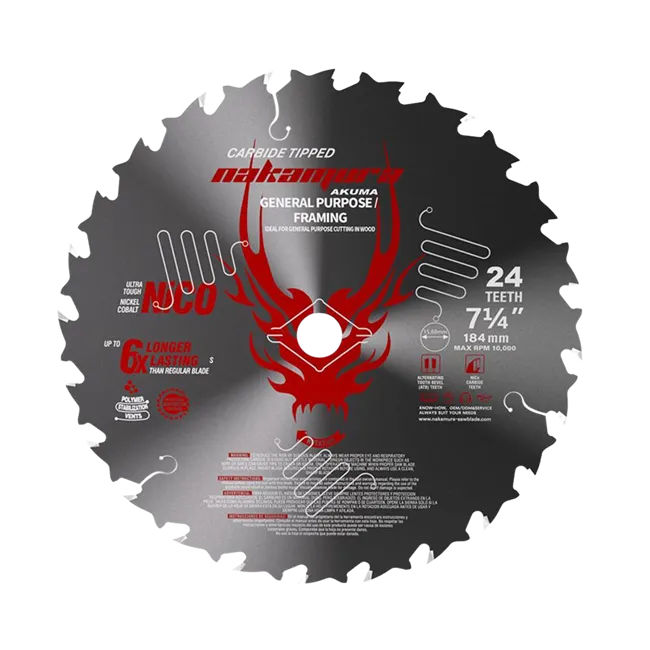
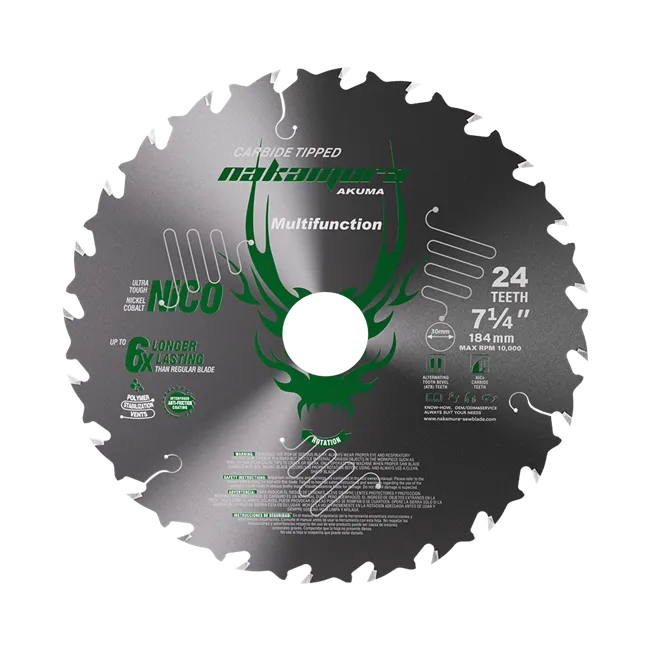
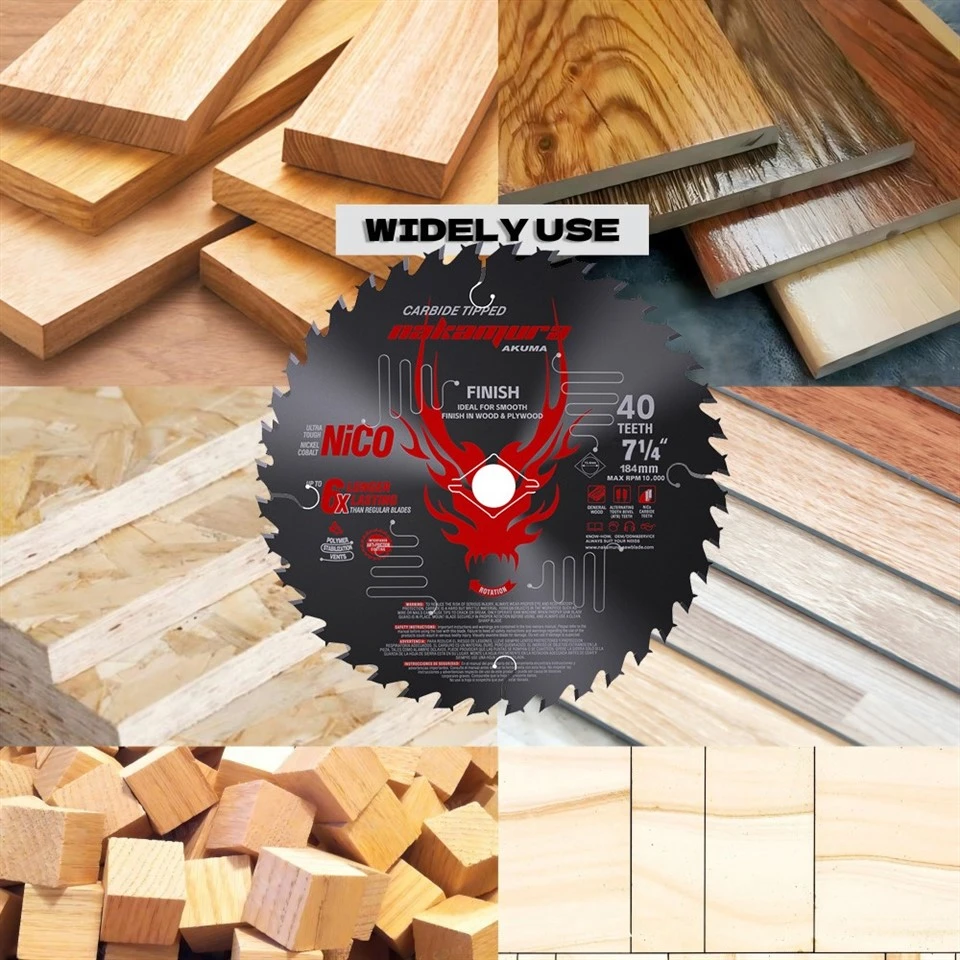
For everyday lumber and engineered-wood applications, the 7-1/4 Circular Saw Blade for Wood uses ATB (BC) tooth geometry, carbide tips and a Teflon anti-stick coating. It is designed for wood, OSB and MDF. The tooth geometry cuts wood fibers before chip removal, helping control splintering, while the coating helps reduce friction and resin buildup.
Tooth count also needs to be matched to the application. Lower tooth counts are generally more suitable for faster cutting and ripping, while higher tooth counts are often preferred when cleaner edges are required for crosscutting, panel sizing and finishing work. For professional users, maintaining several blade configurations can be more effective than relying on a single universal blade.
Thin-kerf technology is also becoming increasingly relevant where users need to balance cutting speed, material utilization and machine load. The 184mm 40T Thin Wood Saw Blade is designed for wood, OSB, MDF, plywood and laminated panels. Its thinner kerf removes less material while reducing cutting resistance, which can be useful for cordless circular saws and repeated cutting applications.
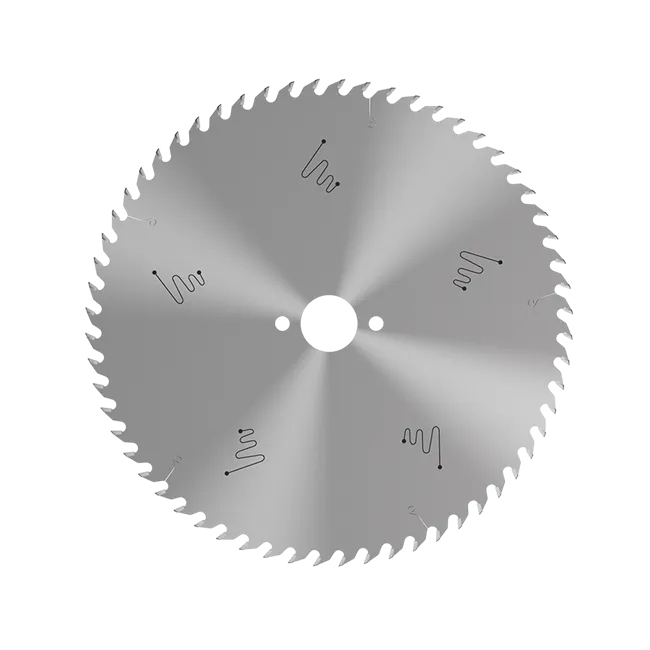
Panel processing places additional demands on edge quality. The 7-1/4 Carbide Circular Saw Blade is available in a 60T configuration with ATB (BC) tooth geometry for wood, OSB, MDF and engineered-wood applications requiring a finer cut. Its thin-kerf design, anti-vibration features and laser-cut blade body are intended to support stable operation during repeated cutting.
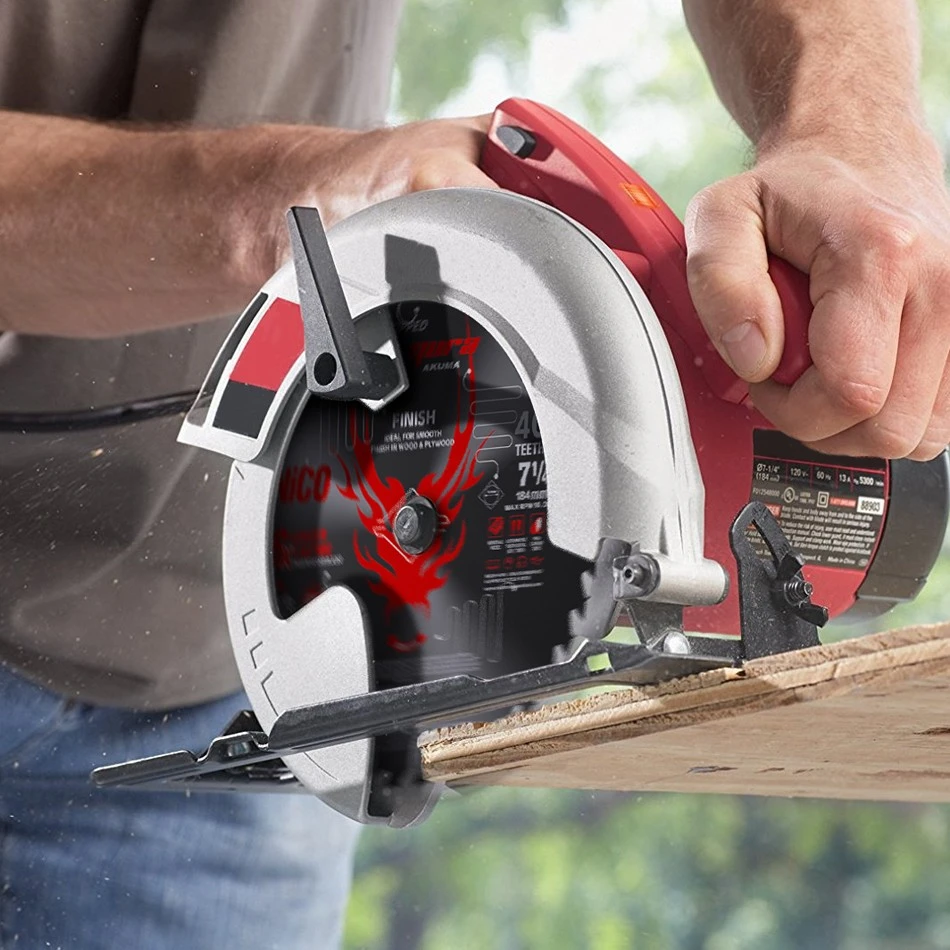
Blade performance, however, depends on more than the blade itself. Incorrect installation, debris between the blade and flange, excessive machine vibration or an unsuitable arbor can all reduce cutting stability. Users should make sure that blade diameter, bore size, rotation direction and maximum RPM are compatible with the machine, while regularly removing resin and sawdust buildup.
For professional woodworking operations, the most important measure is not simply how many cuts a blade can make, but the overall cost per cut. A blade that maintains its edge longer and delivers more consistent cuts can reduce blade changes while also lowering material waste and secondary finishing requirements.
As the use of lumber and engineered wood products continues to expand, circular saw blades are evolving toward lower cutting resistance, greater stability and more application-specific designs. By matching tooth geometry, tooth count and kerf design to the material, cutting direction and required finish, users can achieve a better balance between cutting speed, edge quality, material efficiency and blade life.