






1. Why Your Circular Saw Blade Choice Matters
A circular saw's performance depends heavily on the blade. An unsuitable blade can increase cutting resistance, generate excessive heat, slow the cut, or produce poor edge quality. A properly selected blade helps balance cutting speed, finish quality, tool load, and blade life.
Professional tip: Do not assume the stock blade is the best choice for every application. Check the blade specifications and select a design intended for the material and cut you need.
2. Know Your Blade Basics
Blade Diameter and Arbor Size
The first compatibility check is blade diameter and arbor (bore) size. Common configurations include:
|
Typical application |
Common blade diameter examples |
|
Cordless circular saws |
6-1/2 in. (165 mm) is common |
|
Standard handheld circular saws |
7-1/4 in. (184 mm) is common |
|
Table / miter saws |
10 in. (254 mm) and larger are common |
Arbor sizes vary by saw and market. A 5/8-in. arbor is common on many handheld saws, but it is not universal. Always verify the saw manufacturer's specified blade diameter, arbor/bore size, maximum RPM, and other compatibility requirements before installation.
Tooth Count and Cut Finish
Tooth count is an important factor, but it does not determine performance by itself. Tooth geometry, hook angle, kerf, material, saw power, and feed rate also affect cutting speed and finish. In general, fewer teeth provide larger gullets and faster material removal, while more teeth tend to produce a finer finish when used with the appropriate application.
|
Tooth count |
Typical application |
General result |
|
24T |
Framing and fast ripping in construction lumber |
Fast material removal; suitable for rougher cuts |
|
40T |
General-purpose woodworking and remodeling |
Balanced speed and finish on many wood-based materials |
|
60–80T |
Trim, plywood, cabinetry and finish work |
Finer cuts and reduced tear-out when properly matched |
Pro tip: For a versatile woodworking setup, a lower-tooth-count blade for fast cuts, a mid-range combination/general-purpose blade, and a higher-tooth-count finish blade can cover a broad range of applications.
Tooth Material and Blade Construction
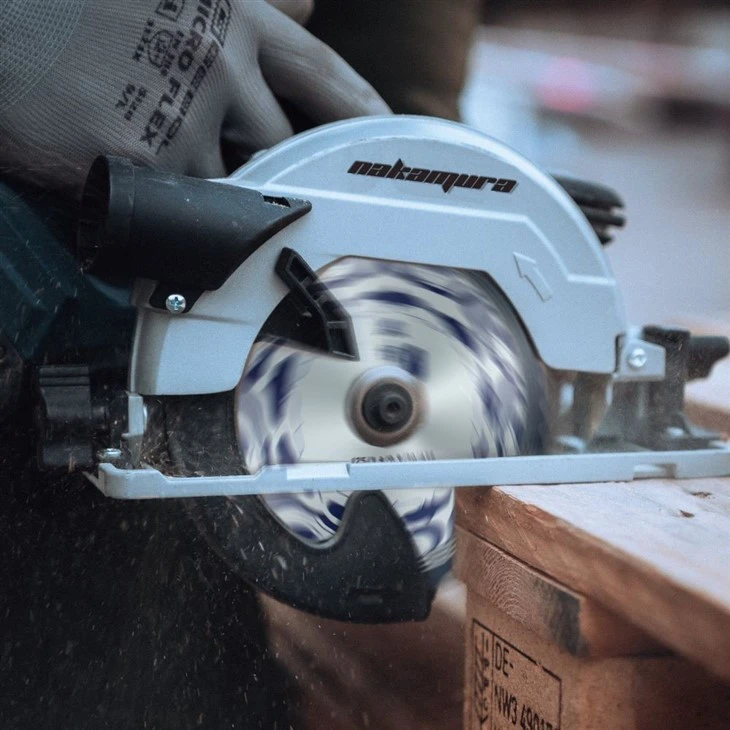
Carbide-tipped teeth are widely used for woodworking circular saw blades because they offer good wear resistance and can maintain cutting performance over many cuts. Blade selection should also consider carbide grade, tooth geometry, plate quality, and the material being cut. For example, Wood 24 Tooth Saw Blade uses an ATB configuration and 65Mn blade body for applications including wood, OSB and MDF.
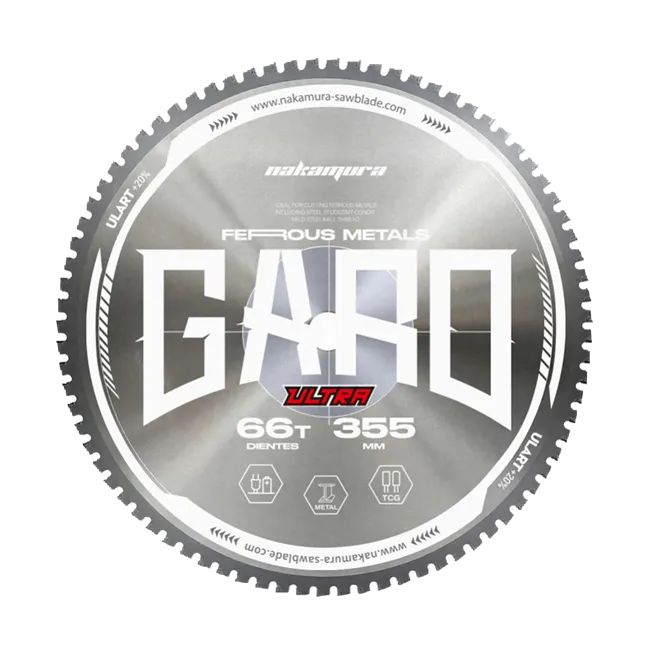
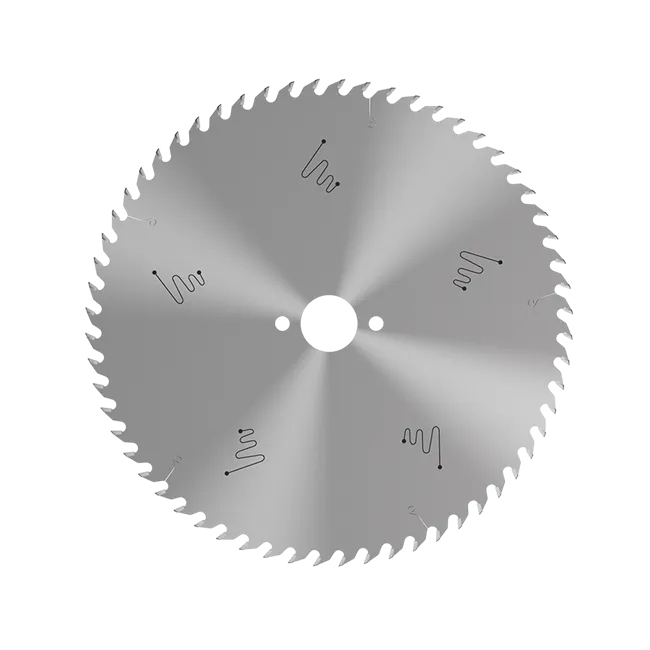
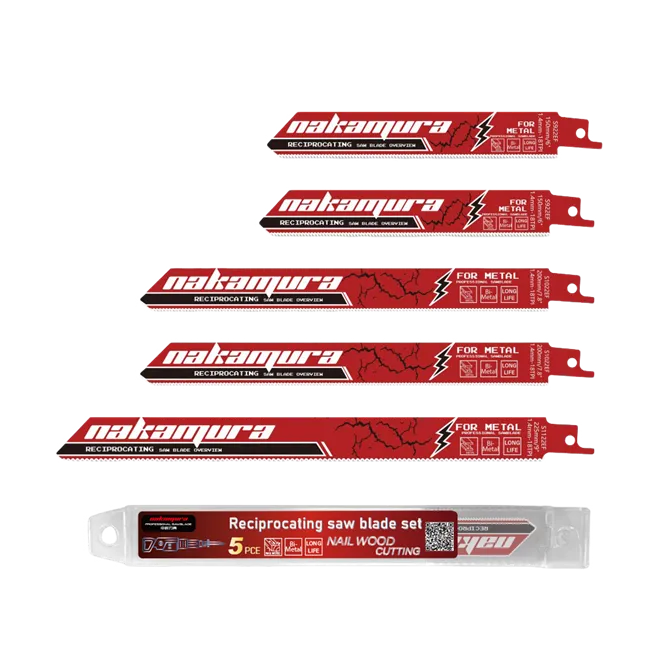
For masonry, concrete, tile, and other mineral-based materials, specialized diamond abrasive or segmented blades are commonly used. These are different from conventional carbide-tooth woodworking blades and should be selected according to the material and saw manufacturer's requirements. For abrasive panels, PCD Saw Blade For MDF is designed for applications such as high-volume MDF, HDF and laminated panels. For steel pipe, angle steel and similar materials, Cold Cut Metal Saw Blade is a dedicated metal-cutting option.
Quick tip: For general woodworking, choose a properly specified carbide-tipped blade rather than judging quality by tooth count alone.

Kerf Width: Thin Kerf vs. Full Kerf
Kerf is the width of the cut produced by the blade. Thin-kerf blades remove less material and generally require less cutting power, which can be advantageous on lower-powered or cordless saws. Full-kerf blades can provide greater plate stability in applications where the saw has sufficient power.
There is no single universal cutoff that defines every thin-kerf or full-kerf blade. Kerf dimensions vary by blade design and manufacturer, so always check the actual specification. A thinner kerf is not automatically better: stiffness, plate design, tooth geometry, and application requirements also matter.
Modern Blade Features That Make a Difference
Many professional blades use features such as expansion slots, laser-cut stabilizing or vibration-control features, and low-friction coatings. Depending on the design, these features can help manage heat, noise, vibration, and material buildup. Their actual effect depends on the blade construction and application, so performance claims should be tied to measured product specifications rather than treated as universal guarantees.
3. Match the Blade to Your Material
The best circular saw blade depends on the material, cut direction, desired finish, saw type, and cutting conditions. Tooth geometry is especially important: ATB (Alternate Top Bevel) is widely used for wood and sheet goods, while FTG (Flat Top Grind) is commonly associated with fast ripping and certain general cutting applications.
|
Material / application |
Typical blade configuration |
Expected result |
|
Framing lumber |
Lower tooth count; ATB or FTG depending on blade design |
Fast, efficient cutting with good chip clearance |
|
Plywood / MDF |
40–60T ATB is a common starting point |
Cleaner sheet-goods cuts with controlled tear-out |
|
Trim / finish work |
60–80T, often ATB or a more application-specific fine-cut geometry |
Finer edges and reduced tear-out when properly matched |
Quick rule: Fewer teeth generally favor speed and chip clearance; more teeth generally favor finish quality. However, tooth geometry and application are equally important.
4. Saw Power, Hook Angle & Feed Control
Hook angle describes how aggressively the tooth engages the material. Positive hook angles generally promote more aggressive feeding and are common in many handheld circular-saw applications. Low or negative hook angles provide a more controlled tooth engagement and are commonly used on miter saws and certain finish-cutting applications.
Feed rate matters as well. Forcing a blade can increase heat, vibration, and tooth loading; feeding too slowly can also cause rubbing and heat buildup. Follow the saw and blade manufacturer's operating instructions, including maximum RPM and recommended applications.
5. Quick Checklist Before You Buy
Confirm blade diameter and arbor/bore compatibility.
Check the blade's maximum RPM against the saw's operating speed.
Choose tooth count and tooth geometry for the material and cut type.
Consider thin kerf when lower cutting resistance is beneficial, but verify the blade's actual kerf specification.
Look for carbide-tipped teeth and blade features appropriate to the intended application.
For safety and consistent results, use blades from a qualified manufacturer and follow the saw and blade operating instructions.
Nakaruma Circular Saw Blade Selection Guide
Nakaruma can position its circular saw blade portfolio around application-specific cutting requirements rather than a one-size-fits-all approach. The following selection framework can be used for product pages, sales materials, or customer guidance.
|
Nakaruma blade positioning |
Recommended use |
Key specification focus |
|
Framing / Fast Cut |
Construction lumber and fast rough cutting |
Lower tooth count, efficient chip clearance, appropriate tooth geometry |
|
General Purpose |
Plywood, MDF and general woodworking |
Balanced tooth count, geometry and finish |
|
Fine Finish |
Trim, cabinetry and furniture work |
Higher tooth count, fine-cut geometry, controlled tear-out |
|
Application-Specific |
Special materials or cutting conditions |
Material-specific tooth geometry, kerf, hook angle and plate design |