



In industrial material processing, longitudinal cutting-commonly referred to as "rip-cutting" in woodworking-presents unique thermodynamic and mechanical challenges. The continuous engagement of the cutting tool requires precise chip evacuation and thermal management. For professional manufacturing facilities and industrial contractors, deploying a Tungsten Carbide Tipped (TCT) saw blade is the absolute standard for enduring these extended cutting cycles. However, the exact geometric specifications of the blade must be strictly calibrated to the material's structural properties. This whitepaper analyzes the engineering principles of longitudinal cutting across various industrial materials.
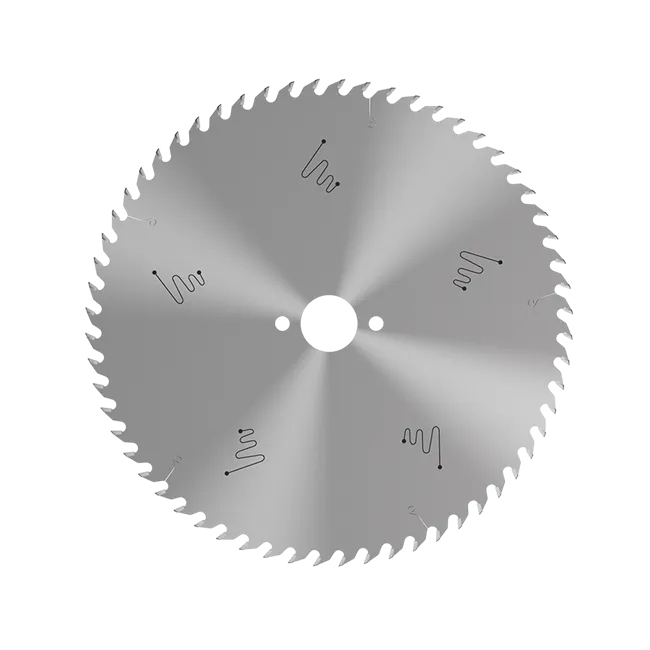
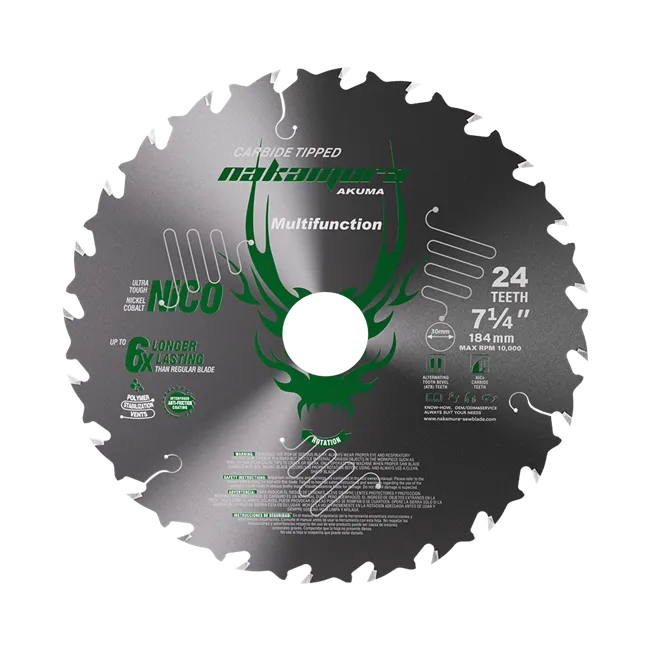
1. Wood Ripping Mechanics and Chip Evacuation In the woodworking sector, rip-cutting specifically denotes cutting parallel to the natural grain of the timber. This process generates long, fibrous shavings rather than fine dust. To prevent thermal buildup and motor stalling, a dedicated rip blade must feature a low tooth count and deep gullets to evacuate large volumes of material efficiently. For mixed-use contracting environments where operators frequently transition between solid timber and composite boards, deploying a highly calibrated Multipurpose Saw Blade 190mm provides an optimal mechanical balance. It offers sufficient gullet depth for continuous longitudinal cuts without compromising the edge finish during cross-sectional operations.
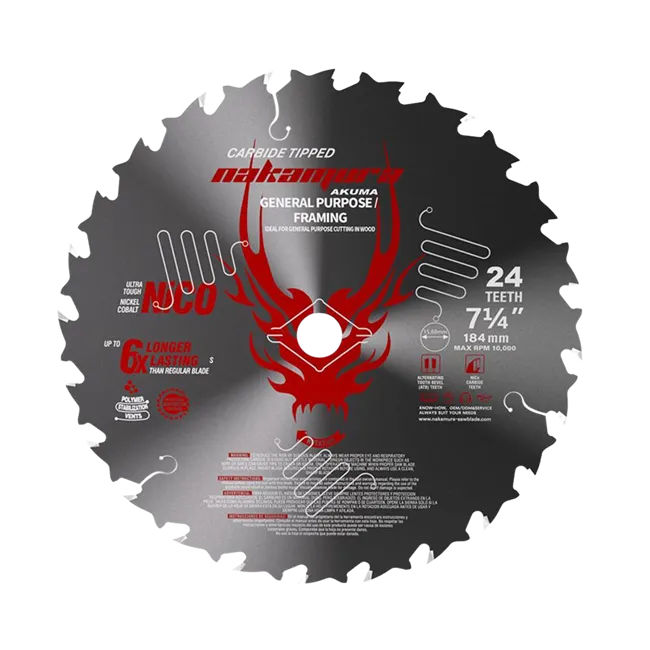
2. Isotropic Materials: The Fallacy of Ripping Polymers A critical mechanical error in general fabrication is applying the principles of wood ripping to isotropic materials like polymers and plastics. Plastics do not possess a fibrous grain structure. Utilizing a low-tooth wood rip blade on polymers will cause catastrophic chipping, micro-fracturing, and friction-melting. Longitudinal sizing cuts on synthetic materials require high-density tooth configurations with specialized rake angles. Deploying a precision-engineered 7 1 4 Circular Saw Blade For Plastic ensures that the chip load per tooth remains minimal. This geometry produces a clean, melt-free edge and prevents the blade from grabbing the workpiece during continuous feed rates.
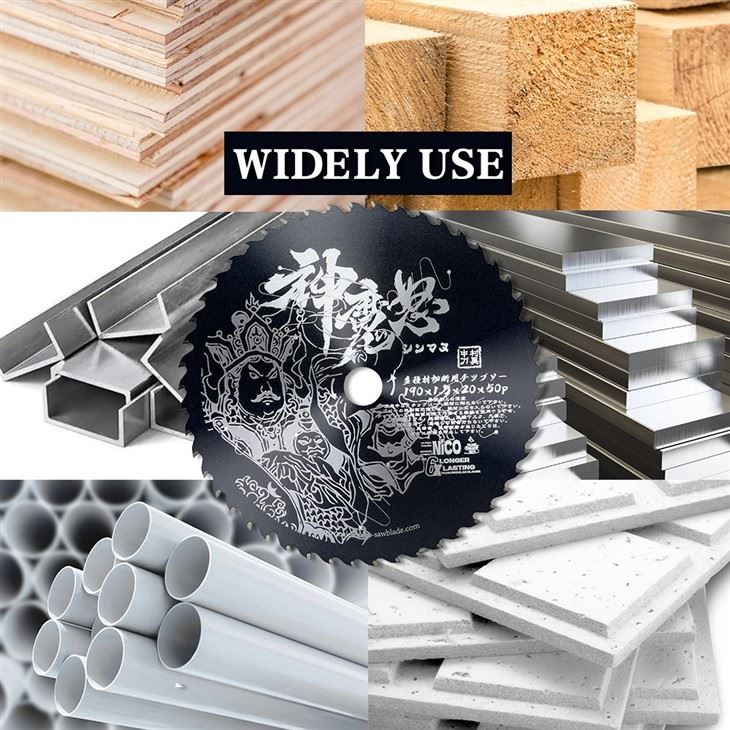
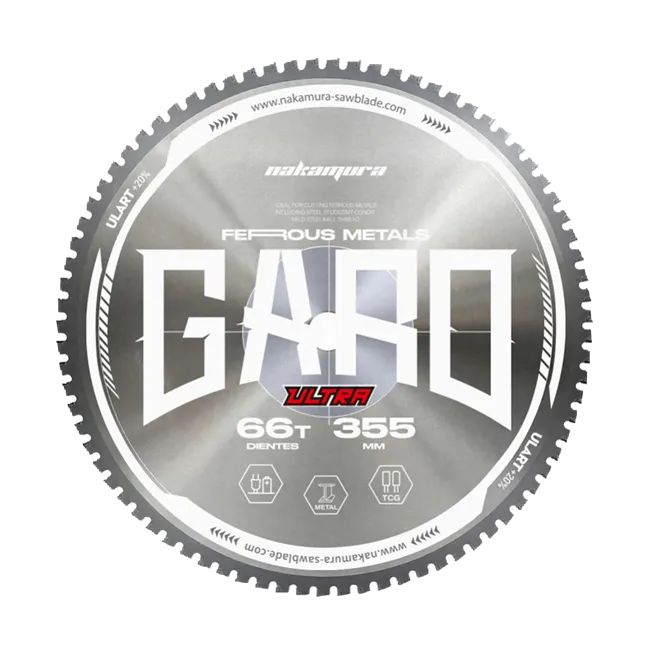
3. Non-Ferrous Metal Sizing and Geometric Requirements Similarly, executing longitudinal cuts (sizing or slitting) in non-ferrous metals requires completely different metallurgical and geometric parameters than standard timber processing. Aluminum exhibits a high thermal expansion coefficient and tends to gall (micro-weld) to the carbide teeth under intense cutting friction. To execute safe and precise longitudinal cuts in metal extrusions, operators must utilize a dedicated Aluminum Circular Saw Blade. These specialized tools feature a Triple Chip Grind (TCG) geometry and a negative rake angle. This specific configuration exerts a downward stabilizing force, preventing the blade from aggressively grabbing the aluminum and ensuring a burr-free, mirror-like finish.
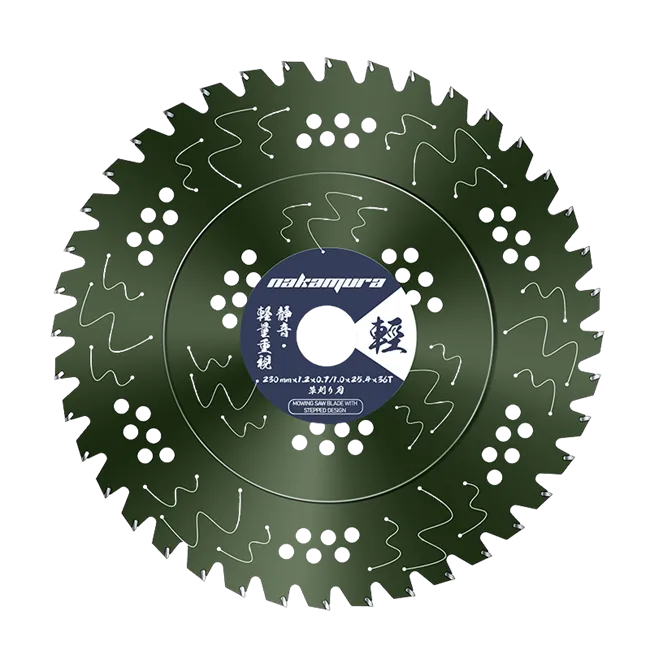
4. Structural Integrity: The Mandate of Laser Welding Regardless of the target material, the structural integrity of the carbide tooth attachment is the ultimate determinant of tool safety and industrial longevity. Outdated hot-press manufacturing processes are entirely insufficient for withstanding the sustained mechanical shocks and thermal stress generated during extended longitudinal cutting. Premium industrial TCT blades exclusively utilize advanced laser welding technology. This precision laser fusion creates an indestructible metallurgical bond between the tungsten carbide tips and the high-tension steel body, guaranteeing zero tooth detachment even under the most extreme industrial loads.
Conclusion and B2B Procurement Executing efficient and safe longitudinal cuts requires a rigorous intersection of materials science and mechanical engineering. By strictly matching tooth geometry, gullet capacity, and laser-welded structural integrity to the specific density of the workpiece, processing facilities can drastically maximize their operational ROI. As a premier source manufacturer of advanced cutting technologies, we engineer our blades to the highest global industrial standards. We invite global distributors and manufacturing partners to consult our technical engineering team for OEM-customized, application-specific cutting solutions tailored to your precise production lines.