


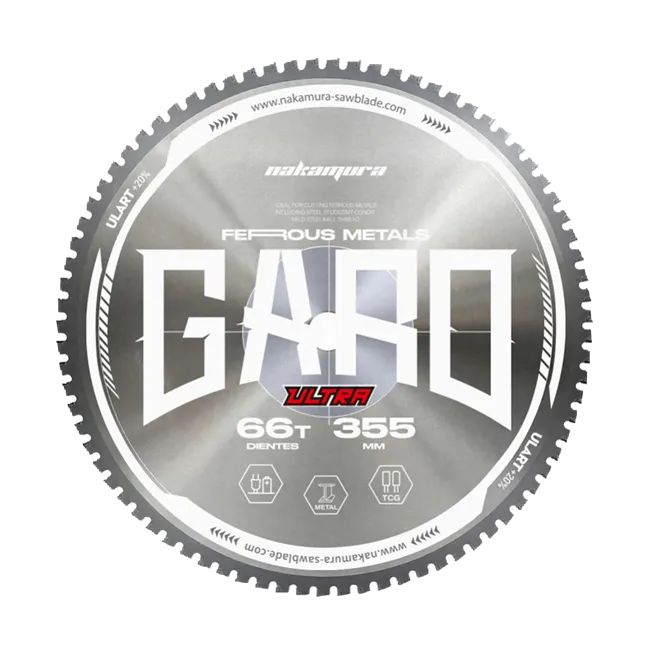

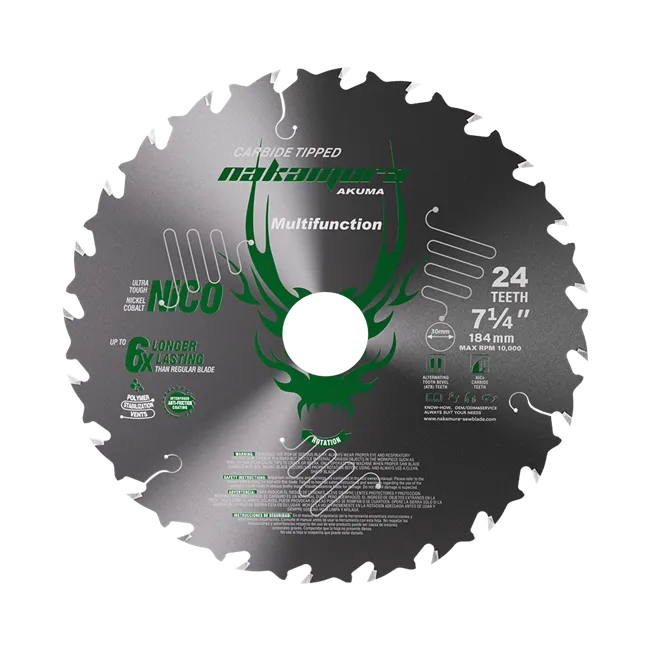

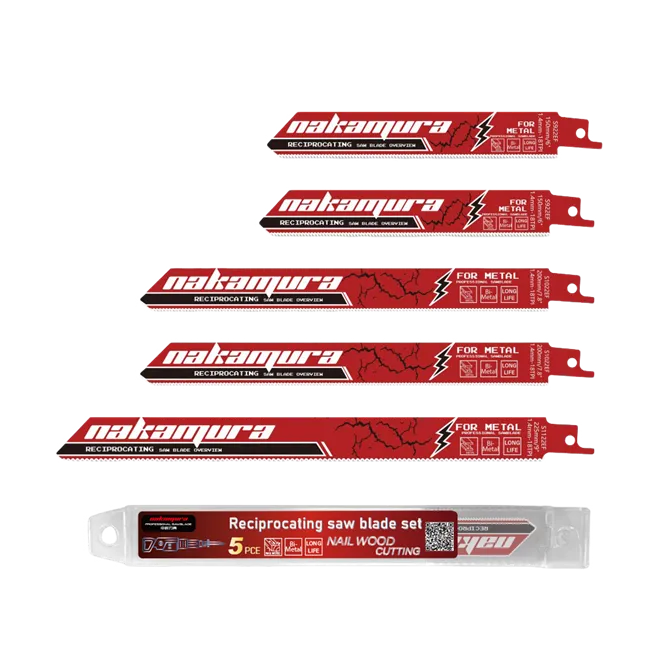


Carbide saw blades are widely used for cutting wood, metal, plastic, and other materials. Their cutting performance depends not only on tooth geometry and blade design but also on the carbide grade used for the cutting tips. So, what type of carbide is commonly used in these blades, and how does its composition affect performance?
Tungsten Carbide: The Most Common Choice
Most carbide-tipped circular saw blades use tungsten carbide (WC) as the primary hard material. The carbide particles are typically combined with a metallic binder, often cobalt, to create a material that balances hardness, wear resistance, and toughness.
Hardness helps the cutting edges resist abrasion, while toughness helps reduce the risk of chipping under impact. The balance between these properties depends on factors such as carbide grain size, binder content, and the specific grade selected.
This balance is important because different materials place different demands on a saw blade. A blade designed for clean cuts in aluminum may require different tooth geometry and carbide properties from one intended for demanding wood-cutting applications.
How Carbide Grain Size Affects Performance
Carbide grain size is one factor manufacturers consider when selecting a grade.
Fine-grain carbide can offer high hardness and support sharp, precise cutting edges. It may be suitable for applications where surface finish and cutting accuracy are important, depending on the blade design and operating conditions.
Coarser-grain carbide can provide a different balance of toughness and wear resistance, making it useful in applications where impact resistance is an important consideration. However, grain size alone does not determine whether a blade is suitable for a particular material. Tooth geometry, carbide grade, cutting speed, and feed rate also matter.
For non-ferrous metals such as aluminum, the blade should be specifically designed for the material. For example, the Aluminum Circular Saw Blade is a product option to consider when selecting a blade for aluminum-cutting applications.
Are Different Carbide Grades Used for Different Materials?
Yes. Carbide grades can be formulated to suit different cutting conditions, but it is important not to assume that every blade in a particular category uses the same composition.
For wood cutting, manufacturers need to balance edge retention with resistance to chipping, taking into account the wood species, the presence of knots, and the cutting conditions.
For metal cutting, the appropriate blade depends on the metal type, its thickness, and the machine being used. Aluminum and steel, for example, have different cutting requirements and should not automatically be treated as interchangeable applications.
Multi-material blades are designed for specified combinations of materials. The Multi Blade Circular Saw 147mm is one option in the multi-material blade category. Always check the manufacturer's stated applications before using a blade on a particular material.
Why Manufacturing Quality Matters
The carbide grade is only one part of a saw blade's overall performance. The way the carbide tips are attached to the steel body, the accuracy of the tooth geometry, and the quality of the manufacturing process can also influence cutting consistency and service life.
In carbide-tipped blades, the cutting tips are commonly brazed onto the steel body. A reliable brazed joint is essential for keeping the tips securely attached during proper operation. Blade-body flatness, tooth alignment, and quality control also contribute to stable cutting performance.
When comparing blades, it is therefore worth looking beyond the word "carbide." Consider the intended application, the blade specifications, the manufacturing quality, and whether the product is compatible with your saw.
For users who need a blade for varied applications, a Multipurpose Saw Blade 190mm may be worth evaluating against the materials and cutting conditions involved. Confirm its approved applications and machine compatibility before use.

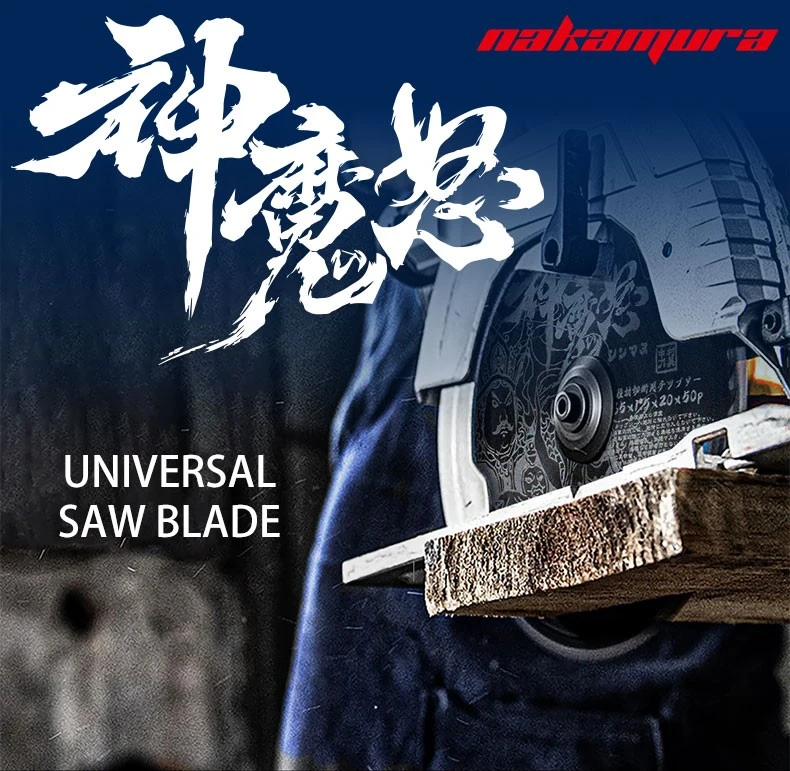
How to Choose the Right Carbide Saw Blade
Choosing the right blade starts with identifying the material you need to cut and the finish you expect. Then check the blade diameter, arbor size, maximum rated RPM, tooth design, and the manufacturer's recommended applications.
Rather than assuming that one carbide formulation is always superior, consider the balance of hardness, toughness, and wear resistance required for the job. A blade designed for the correct material and operating conditions is generally a better choice than one selected on price or carbide type alone.
In summary, tungsten carbide is the most common hard material used in carbide-tipped saw blades. Its performance depends on the grade and its interaction with the blade's design and manufacturing quality. Understanding these factors can help users select a blade that better matches their material, equipment, and cutting requirements.