

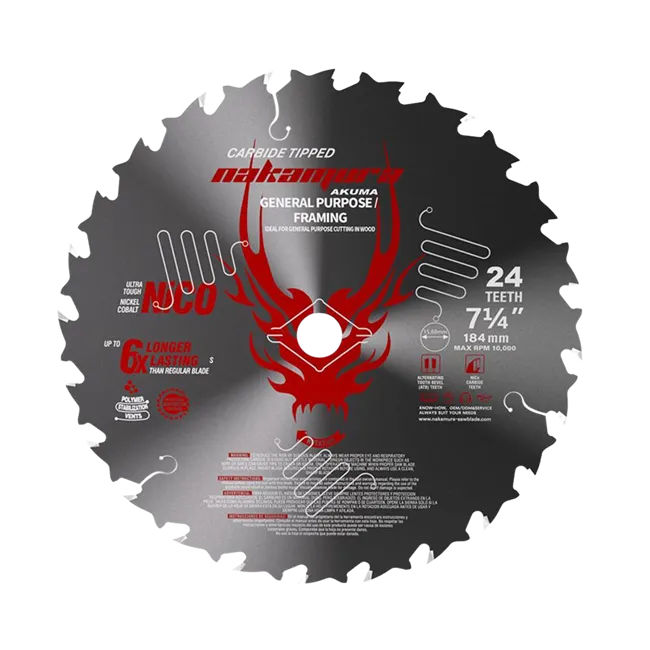
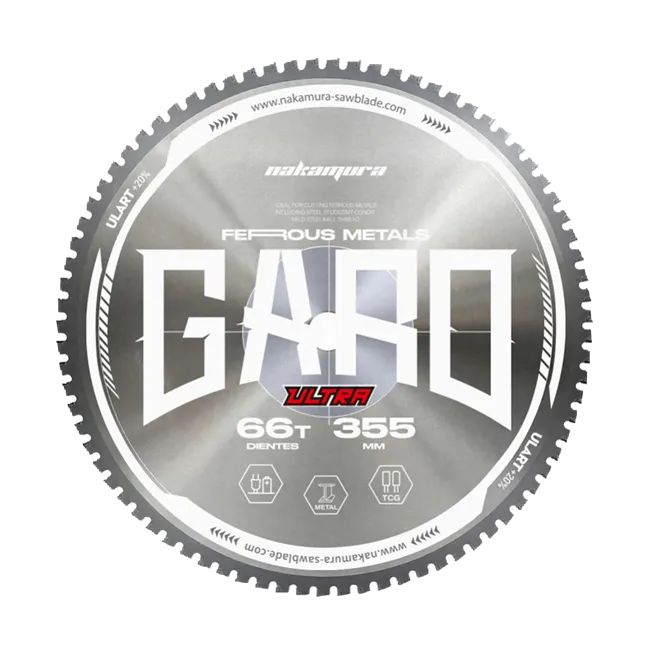
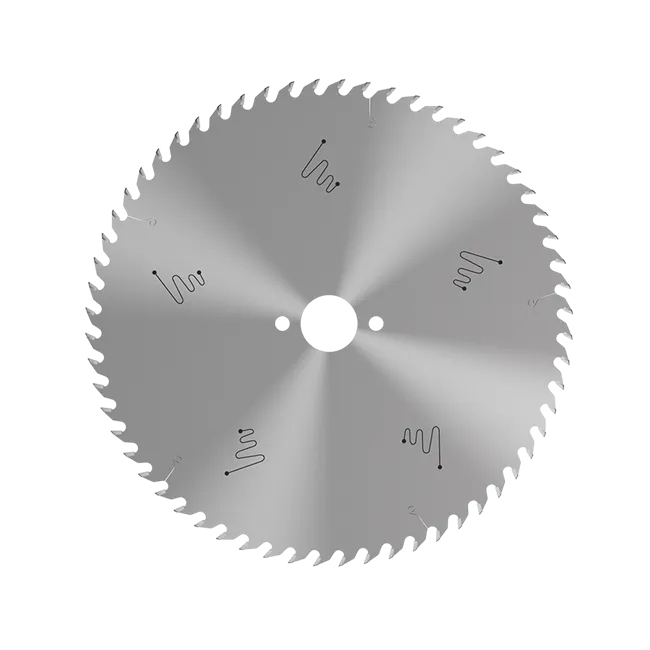
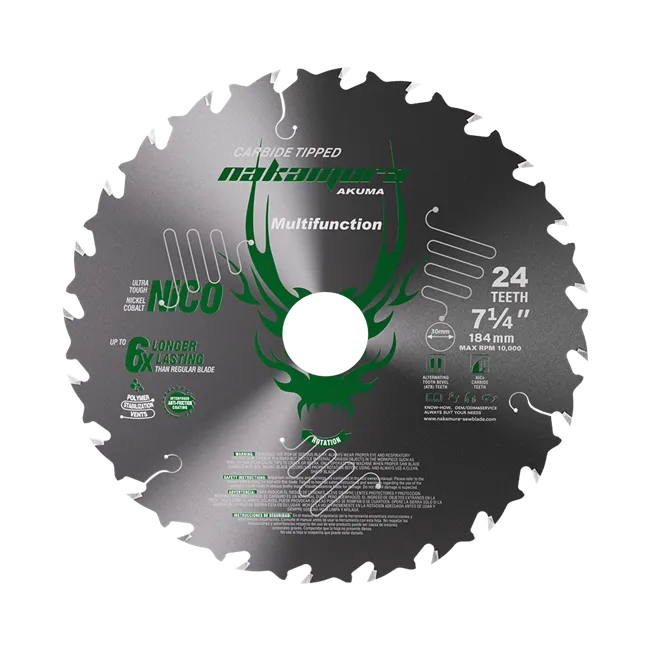


Cutting vibration is a common issue when using carbide saw blades. It can affect cutting accuracy, surface quality, blade life, and operating safety. The level of vibration depends on several factors, including the saw type, blade condition, material, and machine setup.
How Saw Type Affects Vibration
Different saws have different structures and operating conditions, which can influence how vibration occurs.
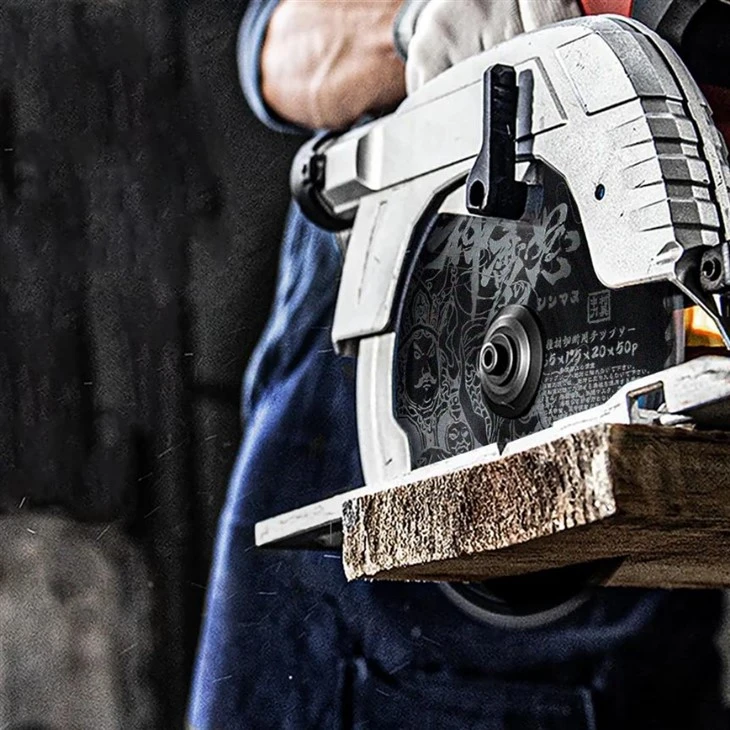
Portable circular saws: Their lightweight design can make vibration more noticeable to the operator. Blade imbalance, incorrect installation, or unsuitable cutting parameters may increase shaking.
Miter saws: A stable base helps support accurate cutting, but loose components, alignment issues, or an unsuitable blade can still cause vibration and uneven cuts.
Table saws: Their rigid structure can reduce some movement, but blade imbalance, arbor misalignment, or incorrect blade selection may still cause vibration and affect the cut surface.
Choosing a blade that matches the saw and material is important. For plastic cutting, a suitable option is the 7-1/4 Circular Saw Blade for Plastic. For wood and compatible applications, the Circular Saw Blade for Wood and Metal may be considered according to its specifications. When cutting aluminum, a dedicated 10 Inch Aluminum Cutting Saw Blade is more appropriate than a standard wood blade.
Key Factors That Cause Cutting Vibration
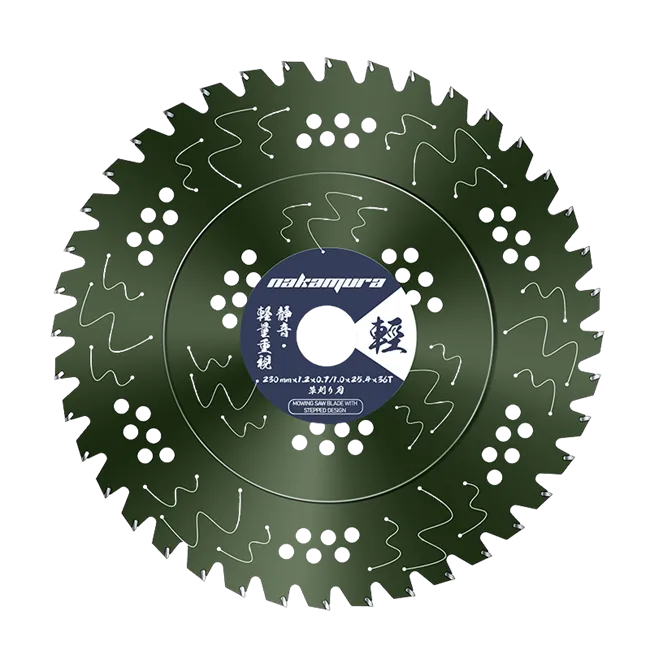
Blade condition and design: An unbalanced, damaged, incorrectly installed, or dull blade can create uneven cutting forces. Tooth geometry, tooth count, and blade-body design also influence cutting behavior.
Material type: Different materials place different demands on the blade. Resin buildup when cutting plastic, material adhesion when cutting aluminum, or excessive resistance from an unsuitable blade can contribute to unstable cutting.
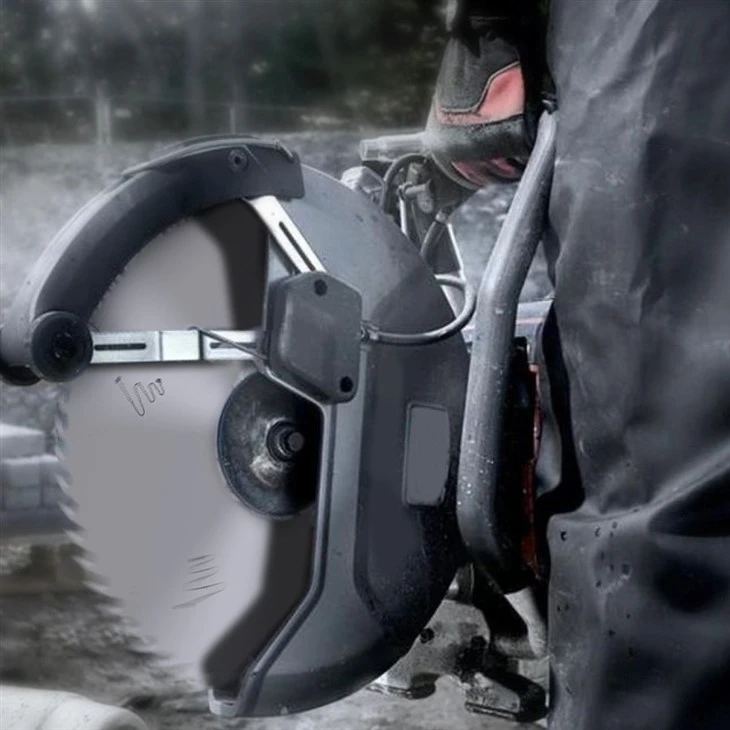
Machine setup: A misaligned arbor, loose components, or worn machine parts can increase vibration. Correct installation and regular equipment inspection are essential.
Cutting parameters: Excessive feed pressure or operating outside the blade's recommended speed range can lead to poor cutting performance, excess heat, and vibration.
How to Reduce Cutting Vibration
Select a blade designed for the material and compatible with the saw.
Check the blade for damage, buildup, and wear before use.
Ensure the blade is installed correctly and the machine is properly maintained.
Follow the manufacturer's recommended speed and feed rate.
Replace or professionally sharpen blades when they become dull or damaged.
Conclusion
Cutting vibration can come from the blade, the material, the machine, or the way the cut is performed. Identifying the cause is the first step toward improving cutting accuracy and extending blade life. By choosing a suitable carbide saw blade and maintaining both the blade and equipment, users can reduce unnecessary vibration and achieve more consistent results.