


In industrial production, aluminum profile cutting by aluminum profile cutters is a common processing procedure. However, many enterprises encounter a prevalent issue during the cutting process: -- burrs. The burrs formed after aluminum profile cutting not only affect product appearance but also impact subsequent processing stages. To address this issue and enhance product quality, we will analyze the following aspects today:
There are many reasons for burrs when cutting aluminum profiles with aluminum cutting machine, mainly including the following points:

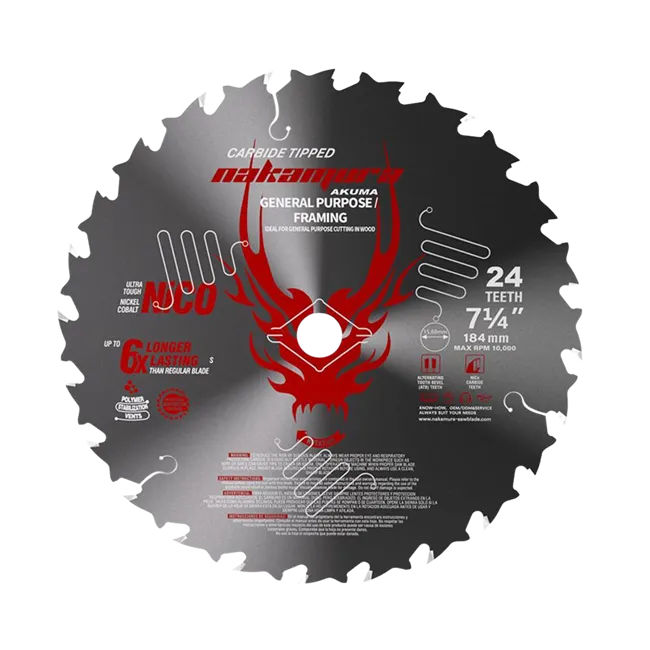
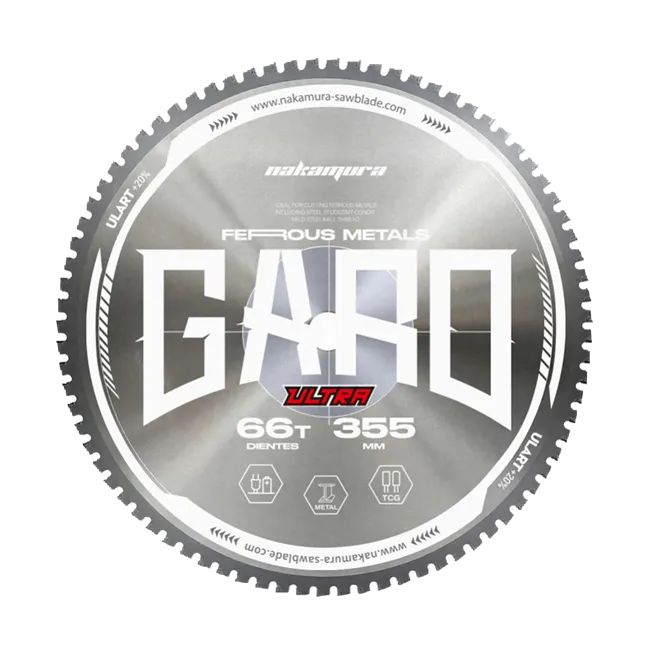
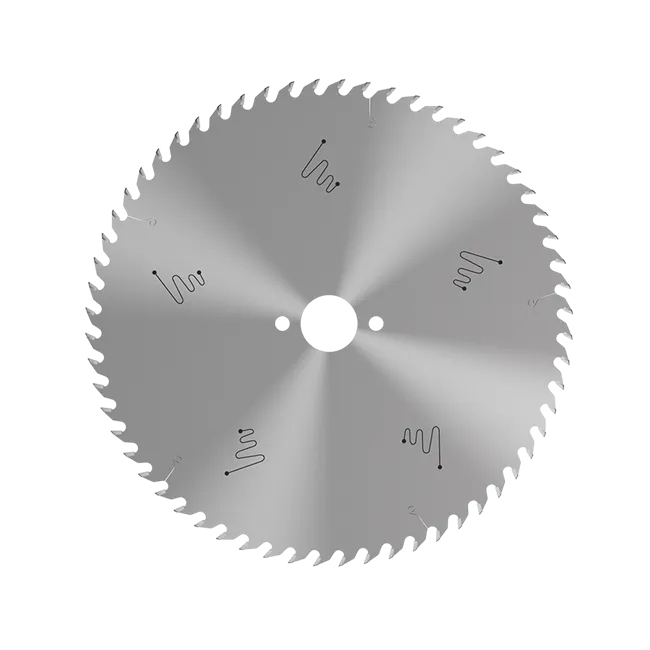
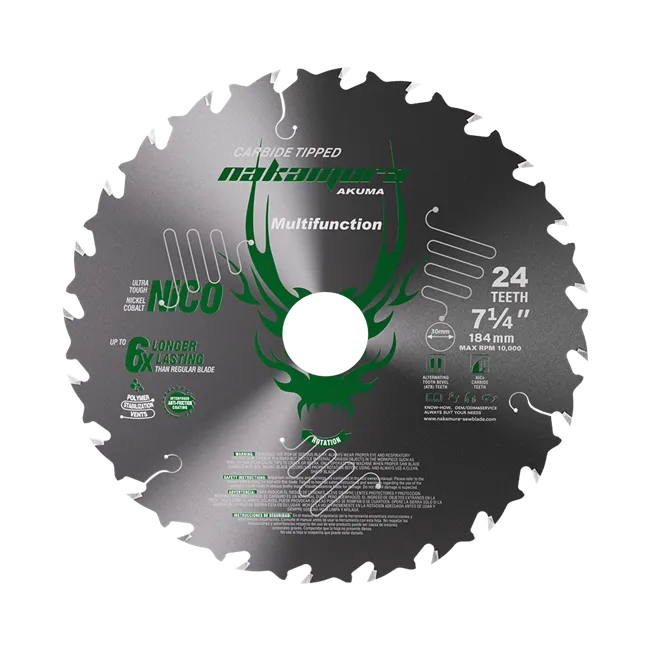
1. Mismatch between saw blade and aluminum profile: The model and parameters of the saw blade are not matched with the material and hardness of the aluminum profile, resulting in burrs during cutting.
2. Low precision of machine tools: the spindle precision and sawing walking precision of machine tools are not high, resulting in unstable cutting process, resulting in burrs.
3. The operator does not operate in accordance with the specifications: the operator does not operate in accordance with the specifications during the cutting process, such as improper setting of parameters such as saw blade speed and pressure, which may also lead to burrs.
4. Poor saw blade quality: the static and dynamic precision of the saw blade and the performance of the manufacturing material will also affect the cutting effect and produce burrs.
5. Improper cooling mode of saw cutting equipment: reasonable cooling mode can help reduce the temperature of saw blade and reduce the generation of burrs. If cooling fluid is not used or the cooling mode is not proper, burrs will increase.

So we need to come up with targeted solutions to the problem:
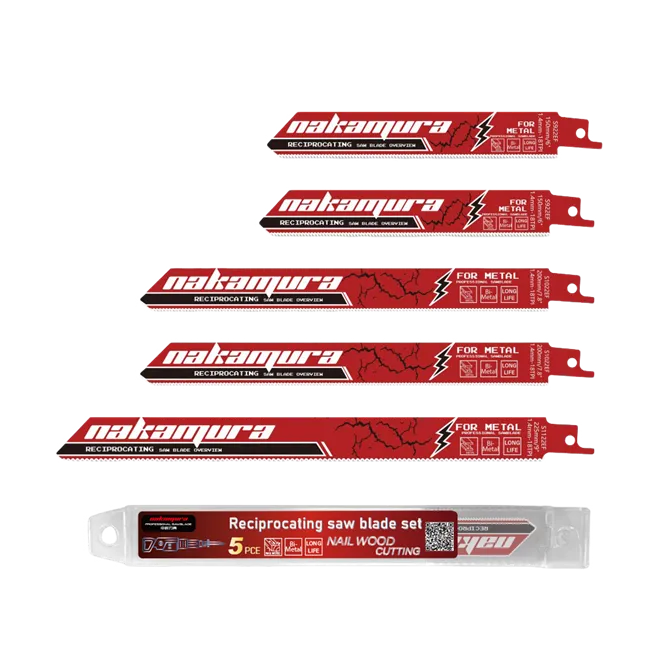
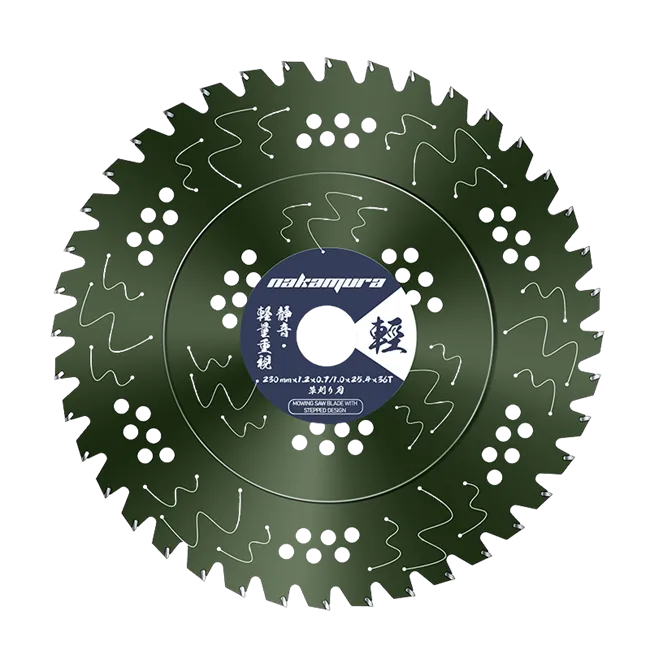
1. Choose the right saw blade: according to the material and hardness of aluminum profiles, select the matching saw blade model and parameters to ensure the stability of the cutting process.
2. Improve the precision of the machine tool: Regular inspection and maintenance of the machine tool to ensure that the spindle precision and sawing walking precision are in the best state.
3. Standardize operators: Strengthen the training of operators to ensure that they are proficient in cutting technology and follow the operation specifications.
4. Select high quality saw blades: Use saw blades of well-known brands to ensure the static and dynamic precision of saw blades and the performance of the manufacturing materials.
5. Optimize the cooling mode of saw cutting equipment: adopt appropriate coolant and cooling mode to reduce the temperature of saw blade and reduce the generation of burrs.
