


In the modern industrial manufacturing and machining sectors, Tungsten Carbide Tipped (TCT) saw blades are the critical components driving heavy-duty material fabrication. As global supply chains increasingly prioritize sustainability and resource optimization, procurement engineers frequently evaluate the end-of-life viability of these cutting tools. The recycling of tungsten carbide is not only technologically feasible but constitutes a highly sophisticated metallurgical process that recovers critical raw materials.
The Anatomical Engineering of TCT Blades
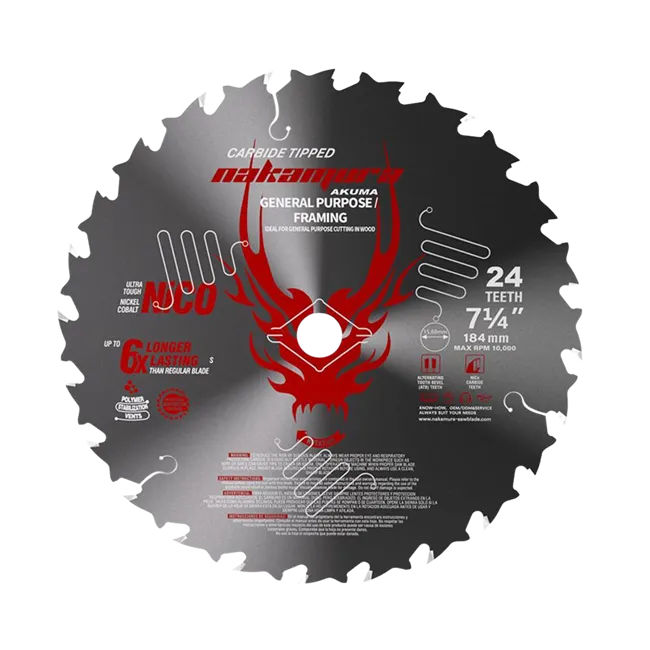
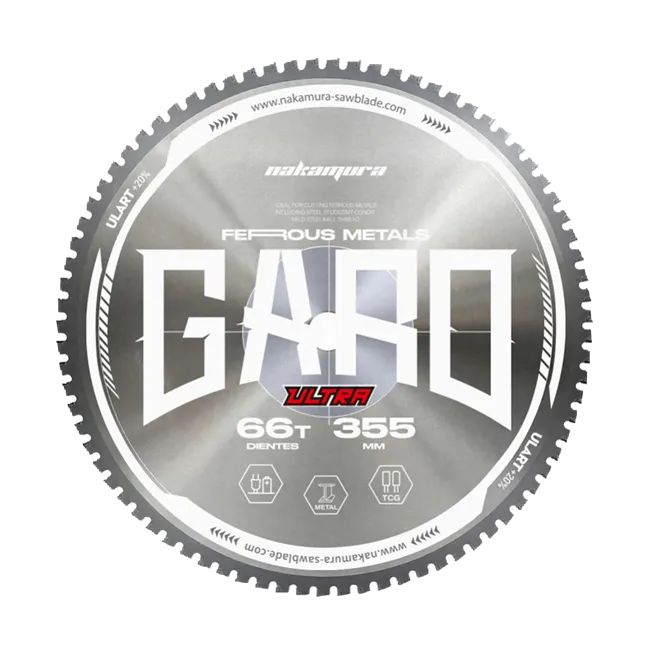
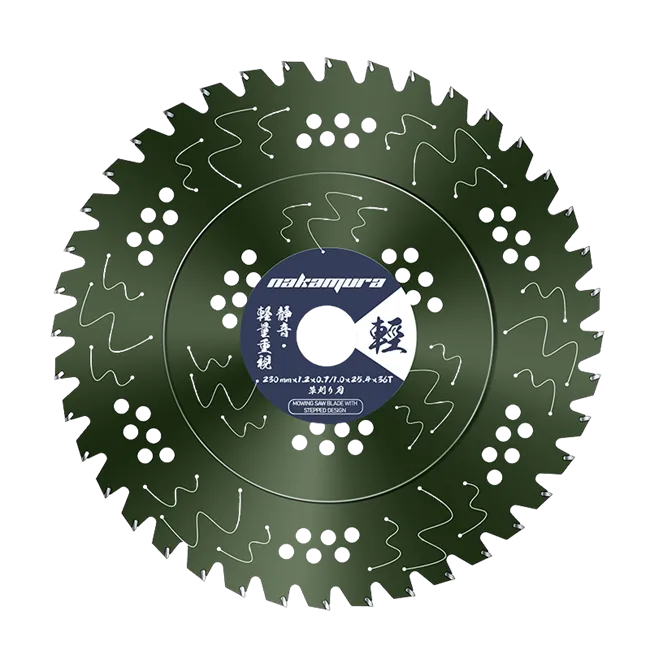
To comprehend the recycling process, one must first analyze the tool's structural composition. A premium Tungsten Carbide Circular Saw Blade consists of two primary metallurgical components: a high-strength alloy steel plate (the core) and sintered tungsten carbide tips. In advanced industrial manufacturing, these carbide tips-composed of tungsten carbide grains and a cobalt binder-are fused to the steel body utilizing state-of-the-art laser welding technology. This molecular bond ensures absolute structural integrity under extreme mechanical shock but presents specific challenges during the material recovery phase.
Thermal and Chemical Separation Protocols
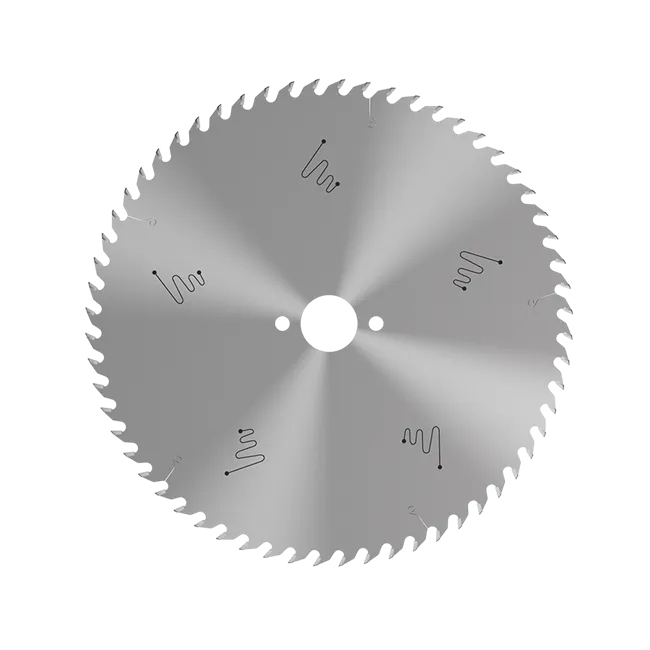
Because laser-welded or heavily brazed joints cannot be dismantled through simple mechanical force, specialized industrial recycling facilities employ advanced thermal-chemical extraction. When processing tools designed for non-ferrous applications, such as a specialized Aluminum Cutting Circular Saw Blade, the worn blades are subjected to the Zinc Process. In a high-temperature vacuum furnace, molten zinc reacts with the cobalt binder, causing the carbide matrix to expand and break apart. The zinc is subsequently distilled, leaving behind high-purity tungsten carbide powder that can be pressed and sintered into new industrial tooling.


Sorting and Cross-Functional Tool Recovery
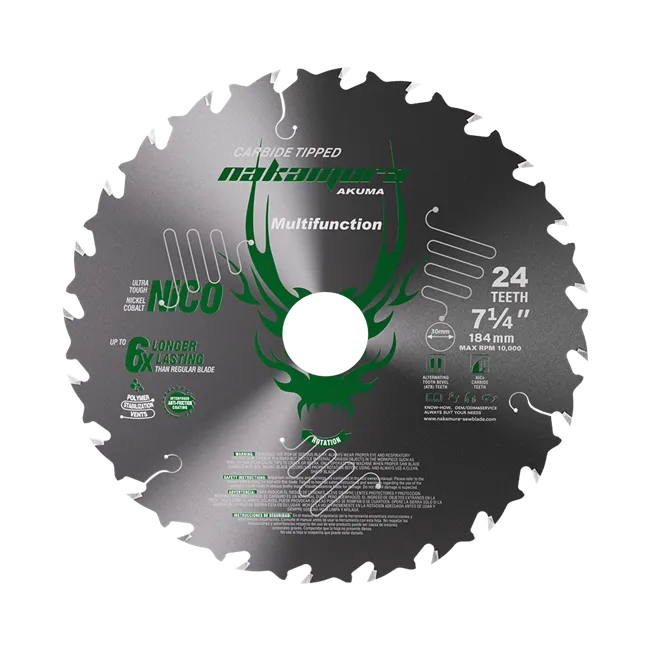
The efficiency of the recycling process relies heavily on accurate metallurgical sorting. Blades with differing carbide grades and geometric configurations require careful classification. For instance, a versatile tool like the Multipurpose Saw Blade 190mm, which is engineered with specific Triple Chip Grind (TCG) geometries to shear both synthetic polymers and mild non-ferrous profiles, utilizes a distinct grade of carbide compared to pure woodworking blades. Advanced recycling centers utilize X-ray fluorescence (XRF) sorting to categorize these complex alloy compositions before extraction, ensuring the reclaimed carbide powder maintains strict industrial tolerances.
The Economic and Environmental Imperative
Tungsten and cobalt are classified as critical finite resources. The extraction and refining of virgin tungsten ore require immense energy expenditures and generate significant environmental footprints. By establishing a closed-loop recycling protocol for depleted TCT blades, manufacturers dramatically reduce the energy required to produce raw carbide by up to 70%.
Conclusion for B2B Procurement
The integration of carbide recycling into corporate procurement strategies ensures supply chain resilience and cost optimization. Industrial fabricators must view depleted laser-welded saw blades not as industrial waste, but as valuable metallurgical assets. By partnering with certified carbide reclamation facilities, enterprises can achieve rigorous environmental compliance while supporting the sustainable lifecycle of advanced cutting technologies.