



In industrial woodworking and professional carpentry, selecting the correct cutting tool is paramount to maximizing operational efficiency and ensuring flawless material finishes. Understanding the metallurgical properties and tooth geometry of saw blades is essential for matching the tool to the substrate.
Precision Geometry for Veneers and Plywood
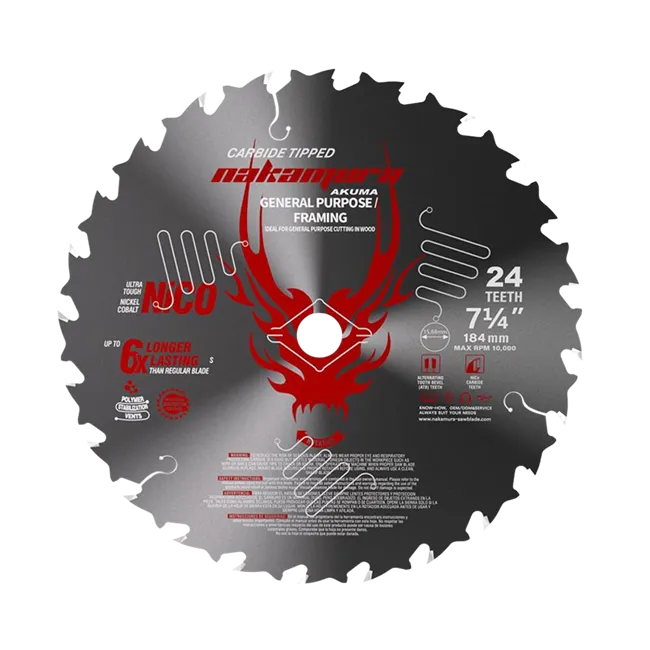
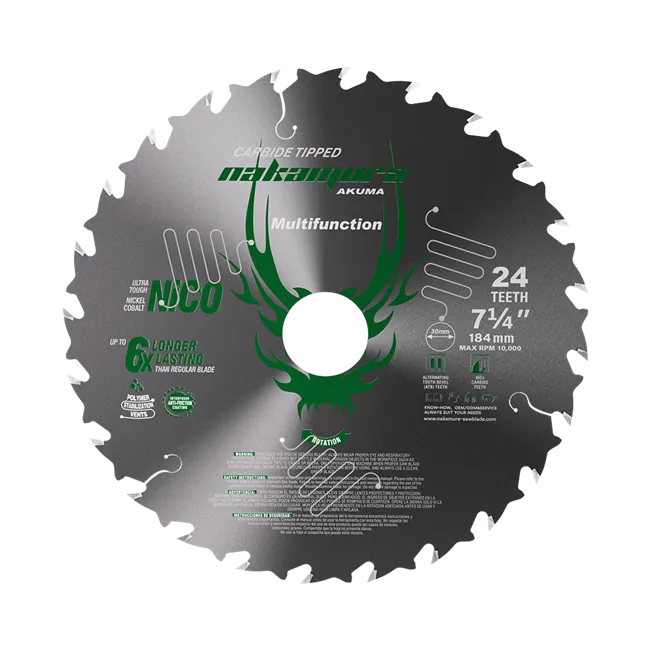
When processing layered materials, structural integrity is the primary concern. Standard blades often cause severe tear-out on the delicate top veneers of plywood. To achieve architectural-grade cuts, an Alternate Top Bevel (ATB) or High-ATB tooth configuration is required. Utilizing a specialized Circular Saw Blade for Cutting Plywood ensures that the blade scores the surface fibers before removing the core material, yielding a perfectly clean edge without splintering.
Abrasive Composites and PCD Technology
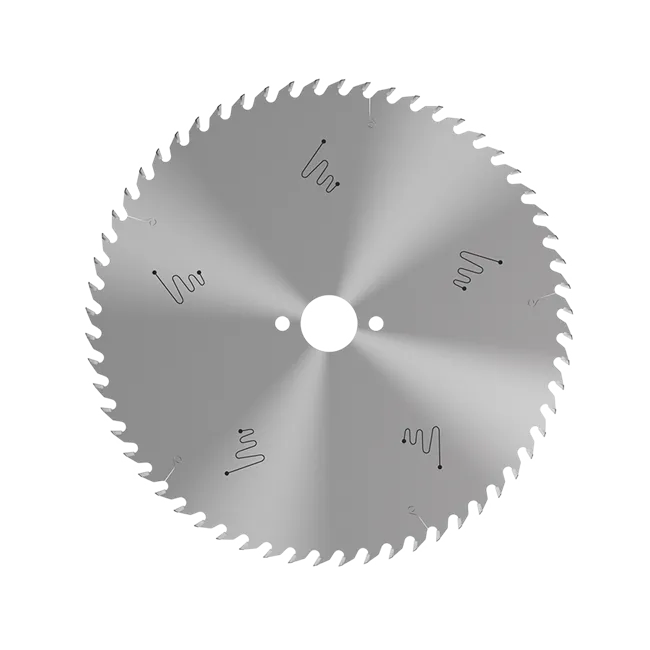
Engineered woods, such as MDF, OSB, and melamine, contain high levels of industrial adhesives that rapidly degrade standard tungsten carbide tips. For these highly abrasive substrates, traditional carbide is insufficient. Integrating a 125mm PCD Diamond Saw Blade into your workflow introduces Polycrystalline Diamond technology. PCD offers exponentially higher wear resistance than carbide, ensuring maximum tool longevity and sustained precision when cutting dense composite panels.


Distinguishing Wood from Metal Processing
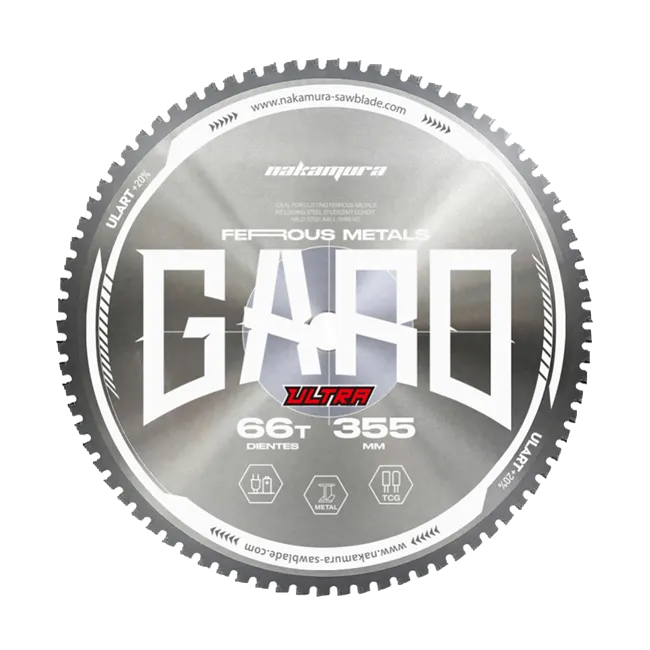
A common critical error in manufacturing is cross-applying blades between woodworking and metalworking. Wood requires high RPMs and aggressive positive hook angles to clear sawdust effectively. Conversely, cutting steel or iron requires a completely different thermodynamic approach. Tools like the 14 Cold Cut Saw Blade are specifically engineered with cermet tips, zero-to-negative hook angles, and operate at low RPMs to shear metal without generating extreme heat. Such blades must never be used for woodworking applications.
Key Technical Specifications for Procurement
When sourcing industrial blades, verify the following parameters:
Tooth Configuration: FTG (Flat Top Grind) for rapid ripping; ATB for crosscutting natural woods; TCG for laminates and non-ferrous materials.
Kerf Thickness: Standard kerf (1/8") provides maximum stability for heavy equipment, while thin kerf (3/32") reduces material waste and motor strain on smaller saws.
Arbor Calibration: Ensure exact arbor size matching to prevent harmonic vibration and dangerous blade runout during operation.