


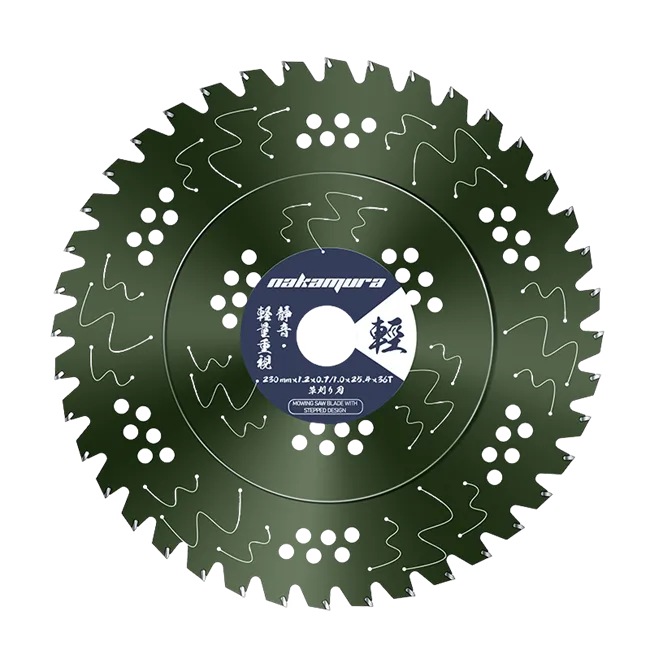
In professional woodworking and industrial metal fabrication, the arbor bore is the geometric heart of a Tungsten Carbide Tipped (TCT) saw blade. Procurement engineers and fabrication managers must understand that selecting the correct arbor size is not merely a matter of fitment; it is a critical calculation of rotational kinematics, torque transmission, and absolute operational safety. A microscopic deviation in arbor concentricity can lead to severe blade runout, compromised cutting accuracy, and catastrophic tool failure.
Torque Transmission and Standardized Dimensions
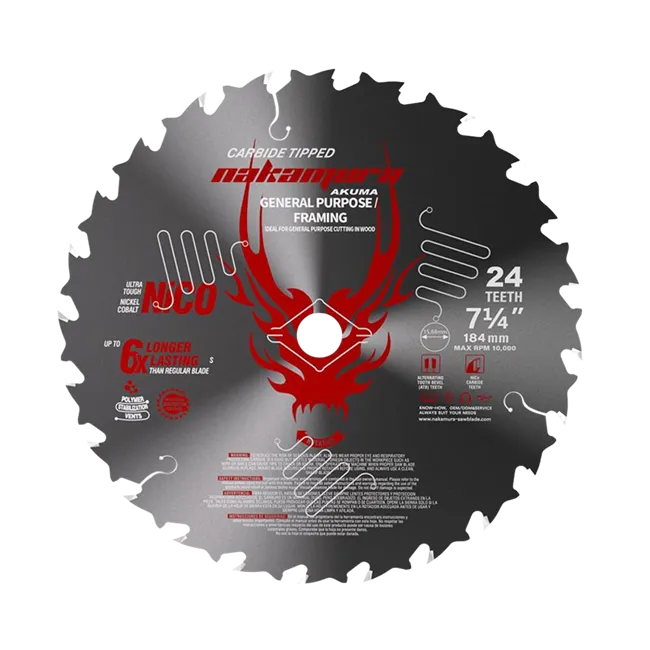
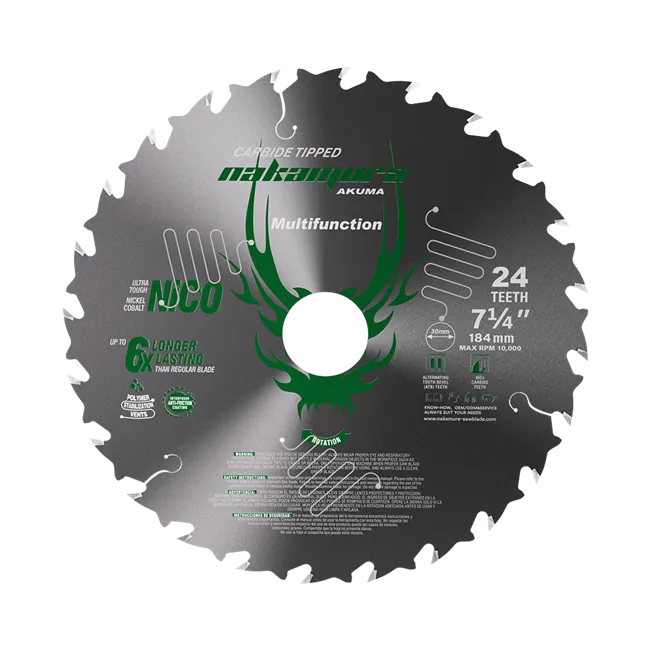
The arbor diameter is directly proportional to the blade's rotational mass and the torque output of the saw's motor. Handheld and benchtop equipment require highly standardized spindle configurations to maintain dynamic balance. For instance, an industrial Multipurpose Saw Blade 190mm is typically engineered with a 20mm or 5/8-inch bore. This specification ensures that the blade remains perfectly concentric on standard framing saws, allowing the laser-welded carbide tips to engage dense substrates without harmonic vibration.
Heavy-Duty Applications and High-Torque Spindles
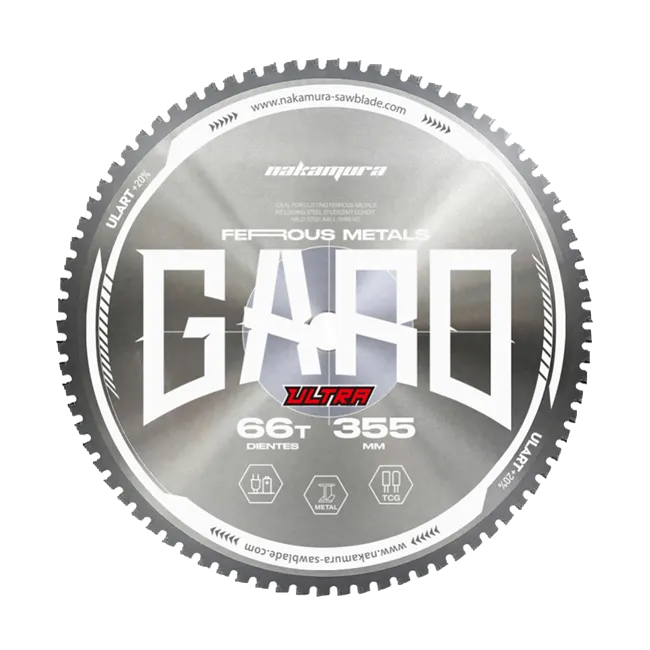
As blade diameters increase, the centrifugal forces and mechanical stress placed on the spindle multiply exponentially. Abrasive cutting environments and large-scale industrial crosscutting require significantly thicker arbor shafts to prevent torsional shearing. When deploying a 14-inch Multipurpose Chop Saw Blade for heavy structural steel or dense lumber, a 1-inch (25.4mm) arbor is the non-negotiable industry standard. This massive spindle diameter provides the necessary structural rigidity to absorb high-impact shocks without transferring vibration to the steel blade core.
The Strict Mechanics of Reducer Rings
A frequent engineering challenge in global supply chains-such as aligning European blades with Australian or North American machinery-is managing arbor discrepancies. When utilizing versatile tooling like the Circular Saw Blade for Wood And Metal, operators may encounter spindle mismatches. It is imperative to understand the physics of adaptation: you can only adapt a blade with a larger bore to a machine with a smaller spindle using precision Reducer Rings. Attempting to modify a blade's bore to fit a larger spindle is a severe safety violation. High-quality, CNC-machined reducer rings ensure a flush, tension-free fit that maintains the blade's original factory balancing.


Laser Welding and Absolute Concentricity
The integrity of the arbor bore is only as effective as the manufacturing quality of the blade itself. Outdated hot-press manufacturing often leaves residual stress in the steel plate, which exacerbates any minor arbor misalignment. Premium industrial blades bypass this by utilizing state-of-the-art laser welding technology to fuse the carbide tips to the body. This heat-controlled process maintains the absolute flatness of the steel core, ensuring that when the blade is mounted to the correct arbor, it runs with zero lateral deflection, delivering pristine, mill-quality finishes across both ferrous metals and hardwoods.
Conclusion for B2B Procurement
Arbor size selection is a rigorous mechanical requirement. Industrial operations must align blade diameters, torque expectations, and precise reducer ring tolerances to ensure safety and efficiency. By standardizing procurement around laser-welded blades and strict arbor compatibility, facilities can eliminate equipment damage and maximize the operational lifespan of their cutting assets.