


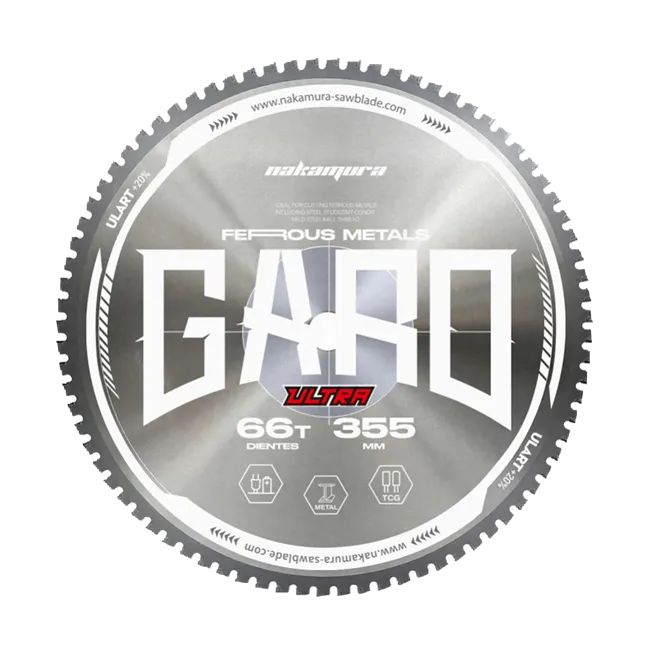



In the modern manufacturing and material fabrication sectors, processing synthetic polymers and soft plastics introduces severe thermodynamic and kinetic challenges. Unlike outdoor maintenance, which relies on high-speed kinetic shearing utilizing tools like Weed Wacker Cutting Blades to clear abrasive vegetation, precision polymer fabrication requires an exacting balance of edge retention and thermal management. Procurement engineers must specify cutting tools that prevent catastrophic material melting, edge warping, and operational downtime.
Kinematics: Linear vs. Circular Dynamics
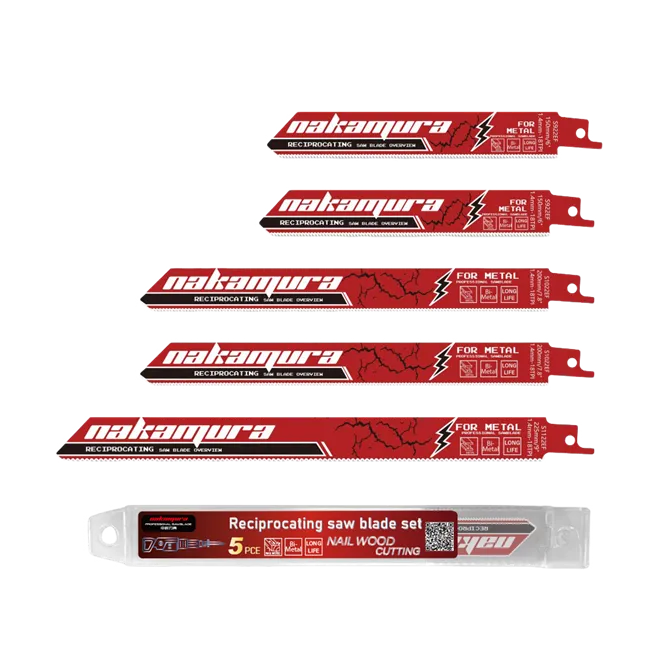
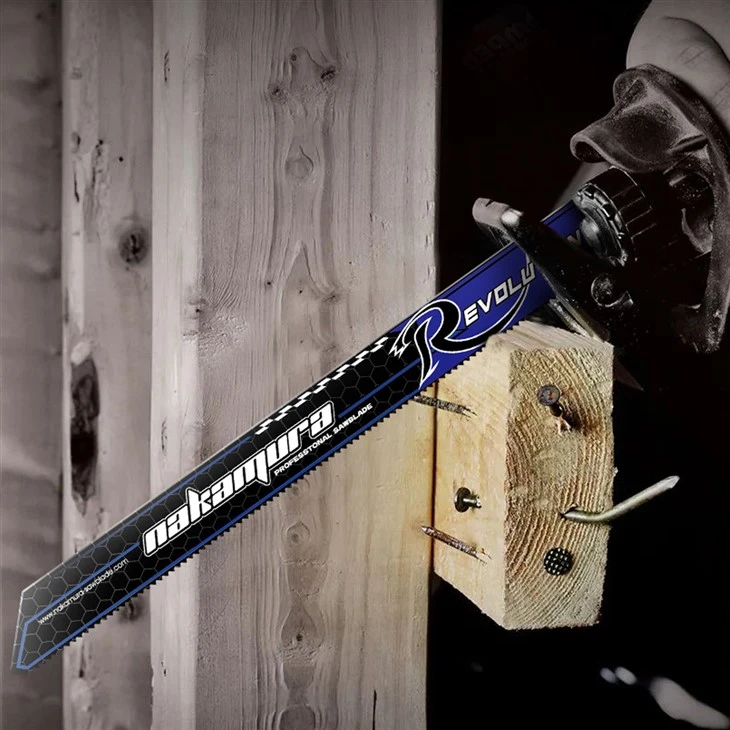
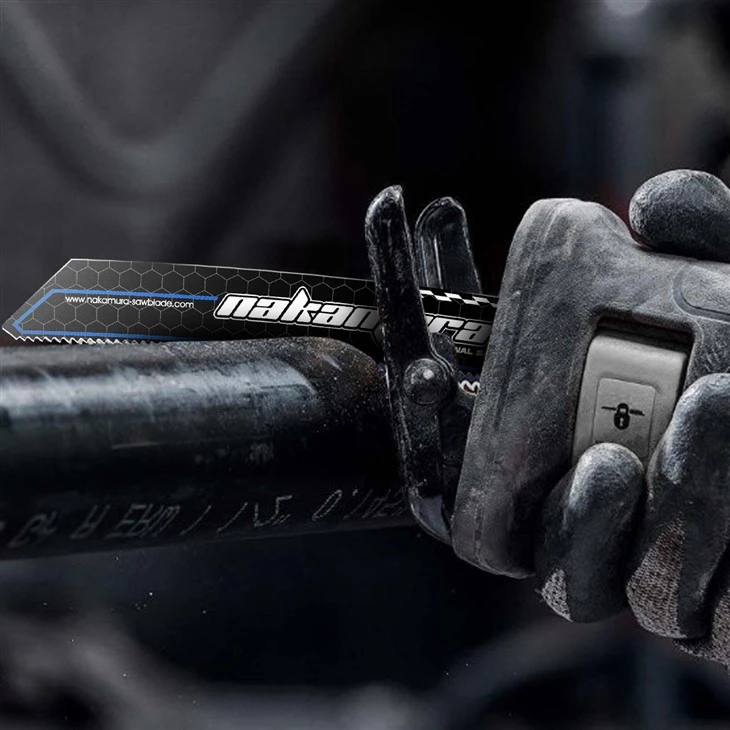
The kinematic profile of the cutting tool fundamentally alters the thermodynamic response of the substrate. For structural demolition or rough material extraction, operators deploy Sawzall Blades For Wood And Metal. These blades utilize a linear, reciprocating motion that allows for natural cooling during the backstroke. Furthermore, to manage the heat generated in deep cuts, professionals often rely on variable-pitch geometries, such as those found in 3T - 24T Wood Metal Reciprocating Saw Blades, to optimize chip evacuation across diverse material densities.
However, when fabricating soft plastic sheets or extruded polymer components, linear cutting lacks the requisite finish precision. This application demands the high-RPM continuous shearing of a specialized 190mm Multipurpose Circular Saw Blade.
Engineering for Viscoelastic Polymers
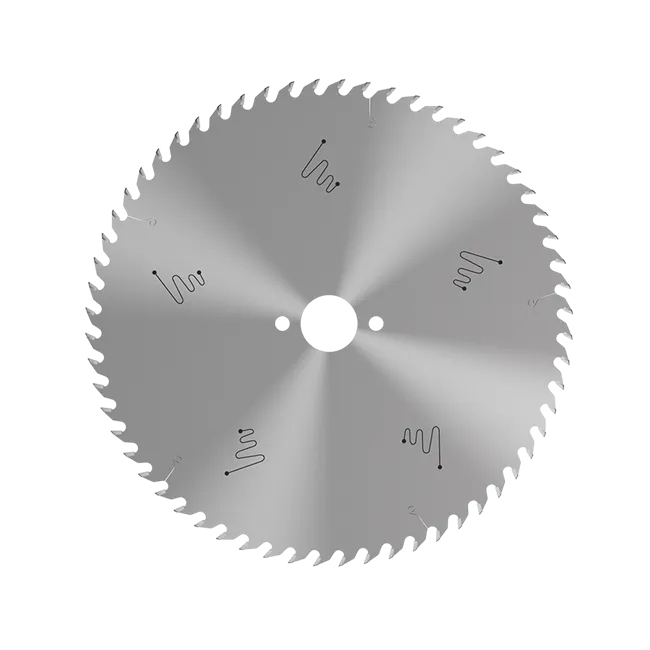
Soft plastics possess a unique viscoelasticity and an exceptionally low melting point. The primary cause of blade failure in these materials is not edge dulling, but thermal accumulation leading to "melt-back"-where the plastic liquefies and fuses behind the blade. Premium 190mm multipurpose blades combat this through meticulous structural engineering. By completely abandoning outdated hot-press attachment methods, top-tier manufacturers utilize state-of-the-art laser welding to fuse the tungsten carbide tips to the high-tension alloy steel plate. This guarantees that the teeth can withstand the immense frictional drag of gummy polymers without shearing off.
Tooth Geometry and Thermal Dissipation
To effectively process soft plastics without melting, the blade must feature a strict Triple Chip Grind (TCG) combined with a negative or zero hook angle. A positive hook angle will aggressively pull the elastic plastic into the blade, causing shattering or severe motor binding. The negative rake ensures the blade scrapes and shears the polymer cleanly. Additionally, precision CNC laser-cut expansion slots act as thermal heat sinks, dynamically absorbing the kinetic heat before it transfers to the cutting edge.
Operational Feed Rate Optimization
The mechanical operation dictated by the machinist is as critical as the blade's metallurgy. A pervasive error is utilizing a slow, hesitant feed rate. In soft plastics, a slow feed induces severe localized friction, instantly liquefying the substrate. Operators must maintain a steady, aggressive feed rate to ensure the laser-welded carbide tips continuously bite into cold material, allowing the evacuated chips to carry the thermal load away from the cut zone.
Conclusion for B2B Procurement
Selecting the optimal 190mm circular saw blade for soft plastics is an exact science governed by thermal dynamics and chip formation mechanics. Professional operations must prioritize laser-welded structural integrity, specific TCG tooth geometries, and strict negative hook angles. By aligning these engineering specifications with rigorous machine calibration, industrial fabricators can eliminate polymer melting, reduce material waste, and maximize overall production efficiency.