


If you're planning to cut metal sheets, you may wonder whether a carbide saw blade can handle the job. The answer is yes, but it depends on the blade design, metal type, thickness, and cutting machine.
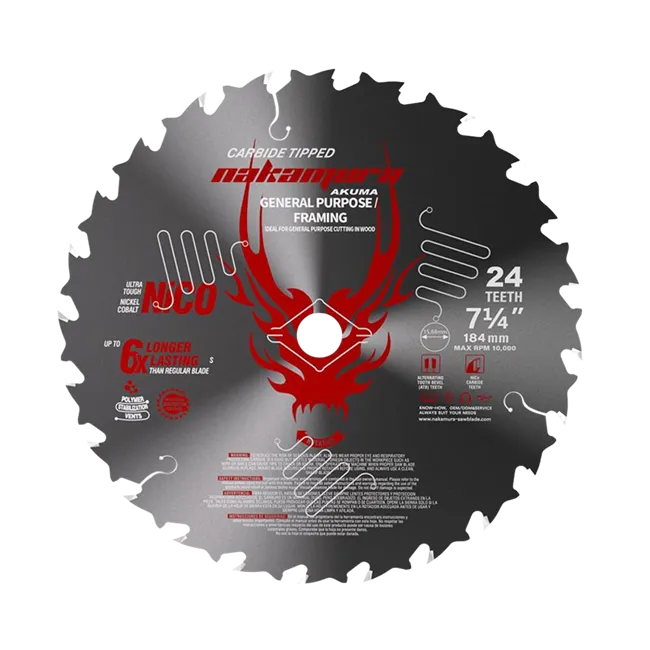
Carbide-tipped blades are commonly used for cutting wood and other materials. Some are also designed for non-ferrous metals, such as aluminum. However, not every carbide blade is suitable for metal cutting.
1. Can a Multipurpose Carbide Blade Cut Metal?
Multipurpose saw blades are designed to handle selected materials, offering flexibility for different cutting tasks. Depending on the manufacturer's specifications, some can cut thin metal sheets as well as wood or plastic.
However, they should not automatically be used for thicker metal plates or demanding metalworking applications. If metal cutting is your main task, a blade specifically designed for that material is a better choice.
2. Choosing a Carbide Blade for Aluminum Sheets
Aluminum is softer than steel, but it can stick to the cutting teeth during machining. This makes tooth geometry, blade speed, and chip clearance important factors.
An aluminum-specific carbide blade is designed to handle these characteristics. Depending on the application, its tooth count, tooth shape, and cutting geometry may differ from those of a standard woodworking blade.
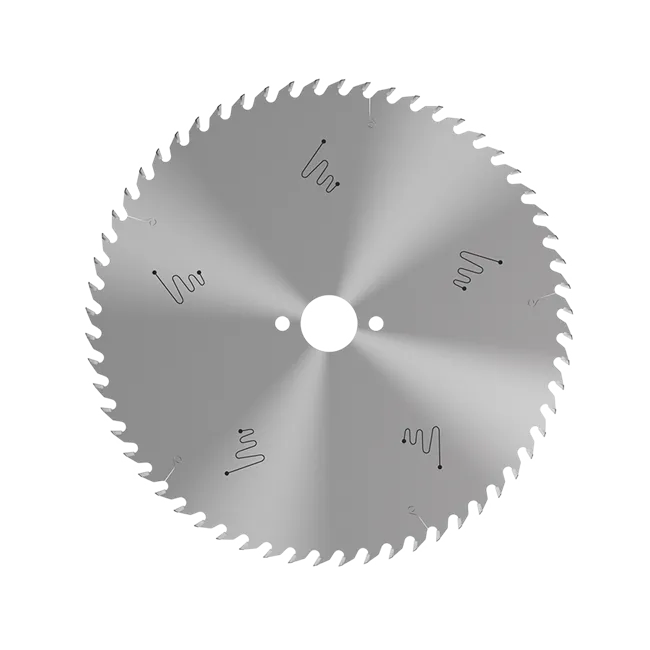
For aluminum profiles and sheets, consider a dedicated 10-Inch Aluminum Cutting Saw Blade rather than using a general-purpose wood blade.
3. What About Steel and Stainless Steel?
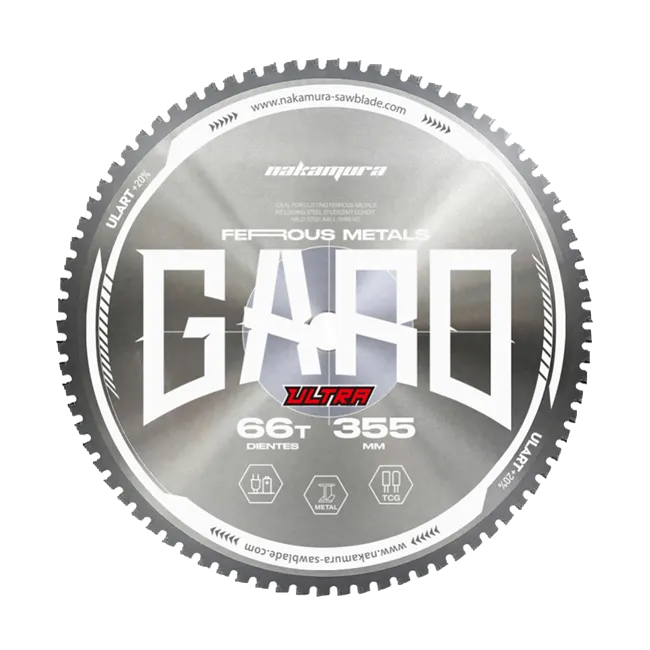
Steel and stainless steel require different cutting solutions from aluminum. A blade designed for aluminum or wood should not be assumed to work safely or effectively on ferrous metals.
If you need to cut steel sheets, check that the blade is specifically rated for the material and compatible with your machine. Pay attention to the recommended cutting speed, feed rate, and operating conditions.
4. Important Factors Before Cutting Metal
Before selecting a blade, consider the following:
Material: Aluminum, mild steel, and stainless steel require different blade designs.
Thickness: Material thickness affects the appropriate blade specification and cutting method.
Blade dimensions: Check the diameter, bore, and machine compatibility.
Tooth geometry: Tooth count and design influence chip removal and cut quality.
Operating conditions: Follow the blade manufacturer's recommended speed and feed rate.
Always secure the workpiece properly and use the required protective equipment. Never exceed the blade's rated RPM or use a blade outside its specified application.
5. Can One Blade Cut Both Metal and Wood?
Some multipurpose blades are designed for selected combinations of materials. However, versatility does not mean they are suitable for every type of metal or every cutting condition.
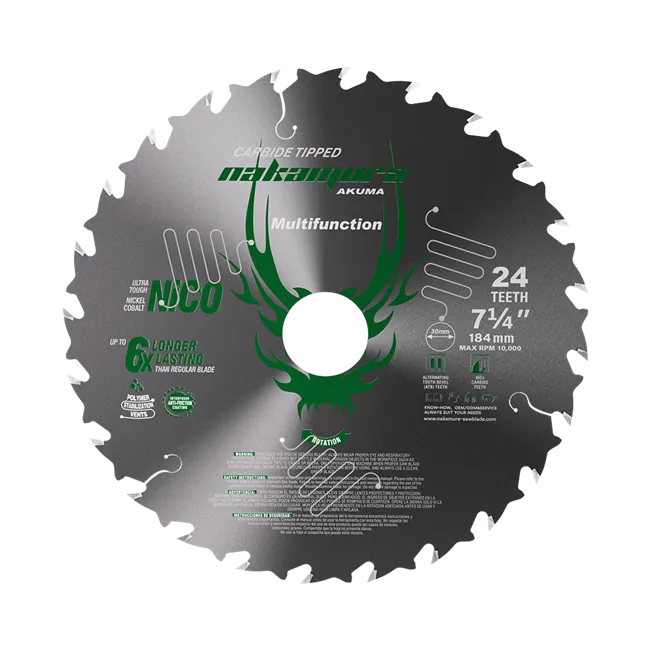
For occasional mixed-material projects, a suitable 7-1/4 Multi-Material Cutting Blade may be worth considering.
For larger aluminum-cutting applications, Nakamura also offers a 900mm Saw Blade for Aluminum. Choose the appropriate specification according to your machine and material.


How to Choose the Right Carbide Saw Blade
The right blade depends on what you cut, how often you cut it, and the finish you expect. Rather than choosing based on diameter or tooth count alone, confirm the blade's material compatibility and machine requirements.
Nakamura offers carbide circular saw blades for different cutting applications, including aluminum and multipurpose materials. Contact our team with your material type, thickness, blade dimensions, and machine specifications to discuss a suitable solution.