




Can a circular saw blade cut through plastic? The short answer is yes, but achieving a clean, professional cut without melting, cracking, or chipping requires more than just grabbing any saw blade off the shelf. Because plastics vary wildly in density, composition, and thermal properties, understanding the right tooling and techniques is essential.
As a trusted supplier of industrial cutting solutions, we've put together this comprehensive guide to help you master plastic cutting.
Understanding Different Types of Plastics
Before choosing a blade, you must understand what kind of plastic you are cutting. Plastics generally fall into two categories:
- Hard Plastics: Materials like polycarbonate, acrylic (Plexiglas), and ABS are rigid and brittle. Cutting them feels similar to cutting dense wood or thin sheet metal, and they are prone to chipping or cracking if the blade is incorrect.
- Soft Plastics: Materials like PVC, polyethylene (PE), and polypropylene (PP) are flexible and have low melting points. The biggest challenge here is frictional heat, which causes the plastic to melt, gum up the blade, and ruin the cut edge.
Selecting the Right Circular Saw Blade
Using the wrong blade is the #1 cause of melted edges and cracked panels. Selecting a blade engineered specifically for the material density is critical.
1. For Hard and Brittle Plastics
Hard plastics require a stable blade with a high tooth count and a specialized Triple Chip Grind (TCG) geometry. TCG teeth alternate between a trapezoidal lead tooth and a flat clearing tooth, scoring the hard plastic surface cleanly without splintering.
To achieve smooth, crack-free cuts on hard panels and sheets, we recommend our high-precision Fiber Cement Board Blade. Despite its name, its ultra-sharp, dense tooth configuration provides the stability required to glide through rigid, brittle plastics smoothly.

2. For Soft and Flexible Plastics
Soft plastics require fewer teeth with deep gullets. Large gullets allow chips to evacuate quickly, preventing heat buildup and friction.
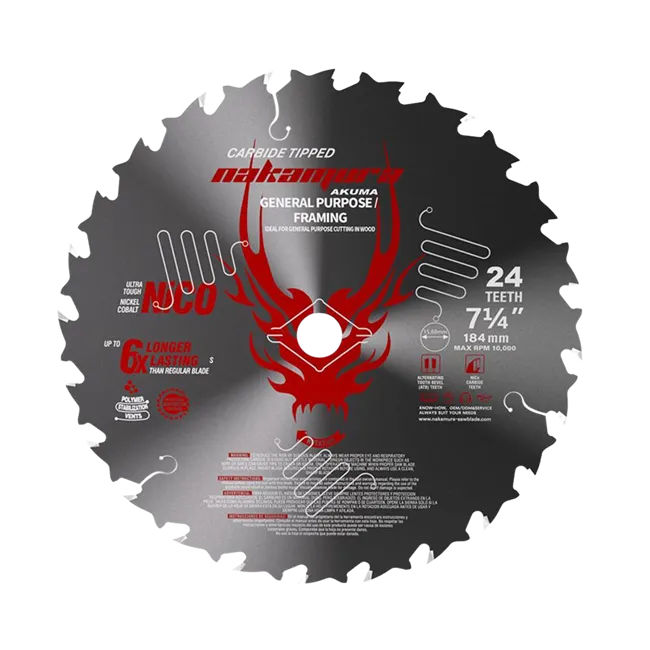
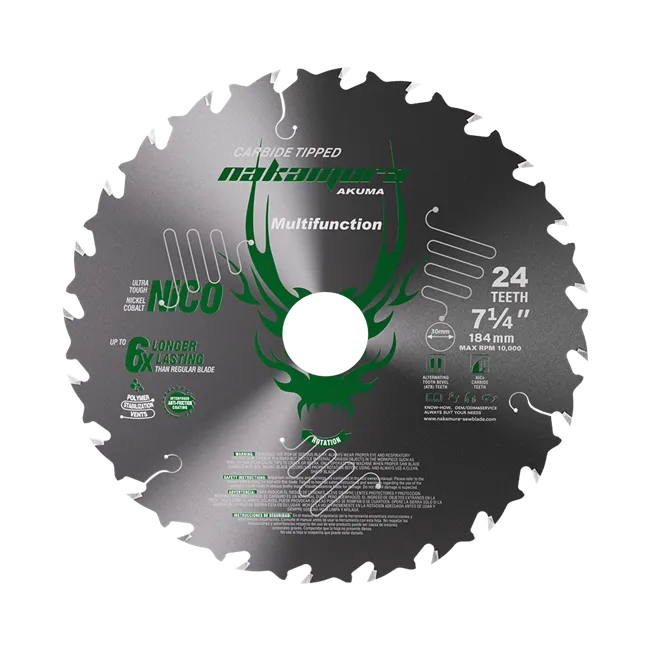
For general fabrication tasks involving softer polymer sheets or profiles, our versatile Multipurpose Saw Blade 190mm is an ideal workhorse. Its balanced tooth layout minimizes heat generation, ensuring clean separation without leaving a melted mess behind.
3. For Heavy-Duty Industrial Plastic Stock
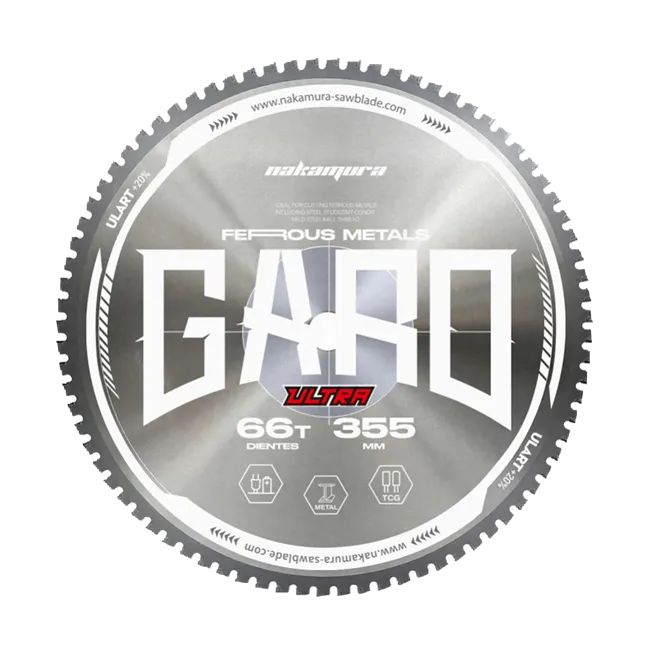
When cutting thick blocks, dense pipes, or reinforced industrial plastics, you need heavy plate stability. Our durable Steel Cutting Blade features a robust body design that resists deflection, offering the structural rigidity needed to maintain a straight, accurate line through thick plastic stock.

Best Cutting Techniques for Plastic
Having the right blade is only half the battle. Your cutting technique dictates the final quality of the edge:
- Control Your Feed Rate: Never force the saw through plastic. Feed the material at a steady, moderate pace. Moving too fast causes cracking; moving too slow increases friction and melting.
- Use Lubrication: For soft plastics prone to melting, applying a bit of soapy water or a specialized plastic-cutting lubricant along the cut line drastically reduces friction and heat.
Support the Material: Secure both sides of the cut line. Using a sacrificial backing board underneath the plastic prevents underside breakout and chipping.
Safety First
Working with plastics poses unique safety hazards. Always follow these guidelines:
Wear safety goggles to protect your eyes from flying, sharp plastic shards.
Wear a dust mask or respirator, especially when cutting acrylics or PVC, to avoid inhaling fine airborne particles.
Let the blade come to a complete stop before lifting the saw, and never touch the blade immediately after cutting, as friction can retain high heat.
Conclusion
Cutting plastic with a circular saw is entirely achievable when you pair the right blade with proper cutting techniques. Whether you're fabricating acrylic displays or sizing PVC plumbing lines, investing in quality tooling makes all the difference.
Explore our full inventory of industrial-grade saw blades today to find the perfect match for your next project, or reach out to our team for expert recommendations!