



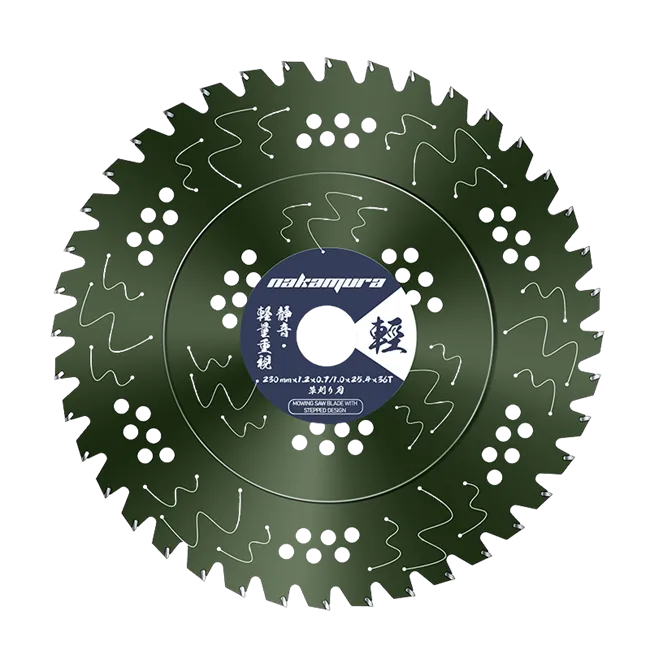
Cermet tipped saw blades are widely used in the cutting tool industry because of their high wear resistance, heat resistance and stable cutting performance. As a saw blade supplier, we often receive questions from customers asking whether cermet tipped saw blades can be used to cut PVC.
The simple answer is: yes, they can cut PVC under certain conditions. However, from a professional blade selection point of view, cermet tipped saw blades are not always the first choice for PVC cutting.
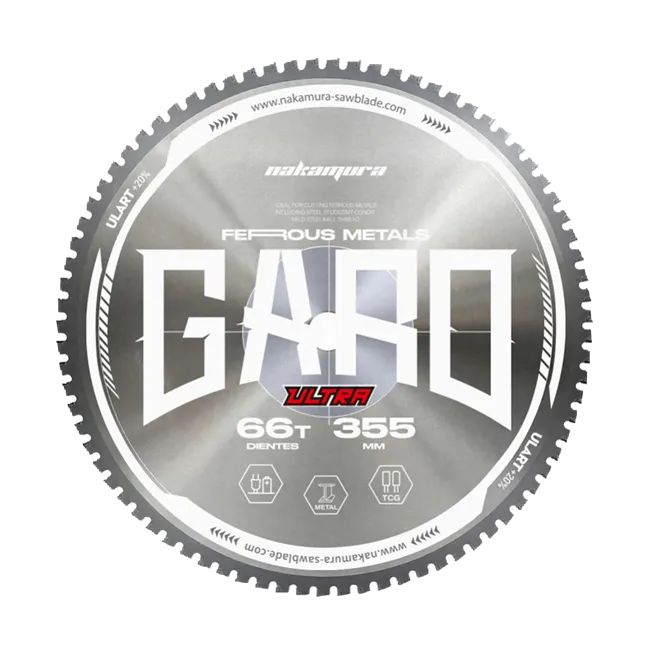
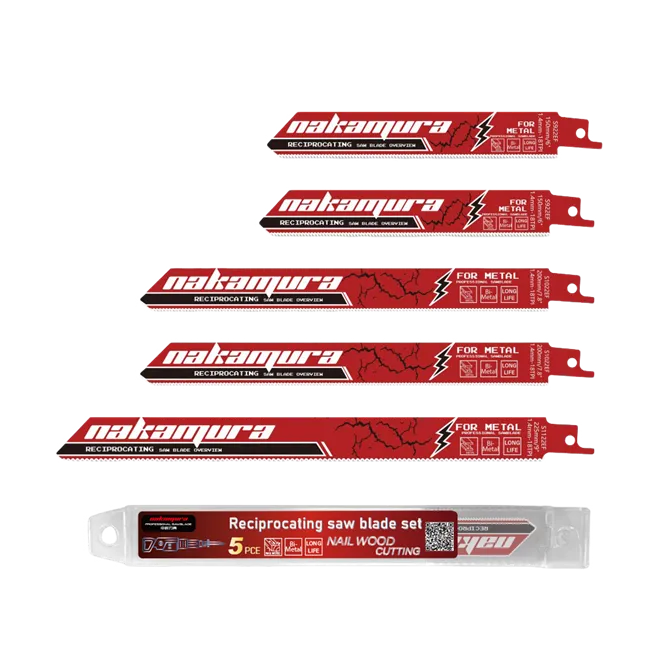
Cermet blades are mainly designed for high-speed metal cutting applications, such as steel pipes, metal profiles, angle iron, threaded rods and other ferrous or alloy materials. If your main application is metal cutting, you may consider Nakamura Cermet Tipped Saw Blades or Steel Cutting Circular Saw Blade. But when the material is PVC pipe, PVC board, cellular PVC or plastic profiles, the blade selection logic is different.
What Makes Cermet Tipped Saw Blades Different?
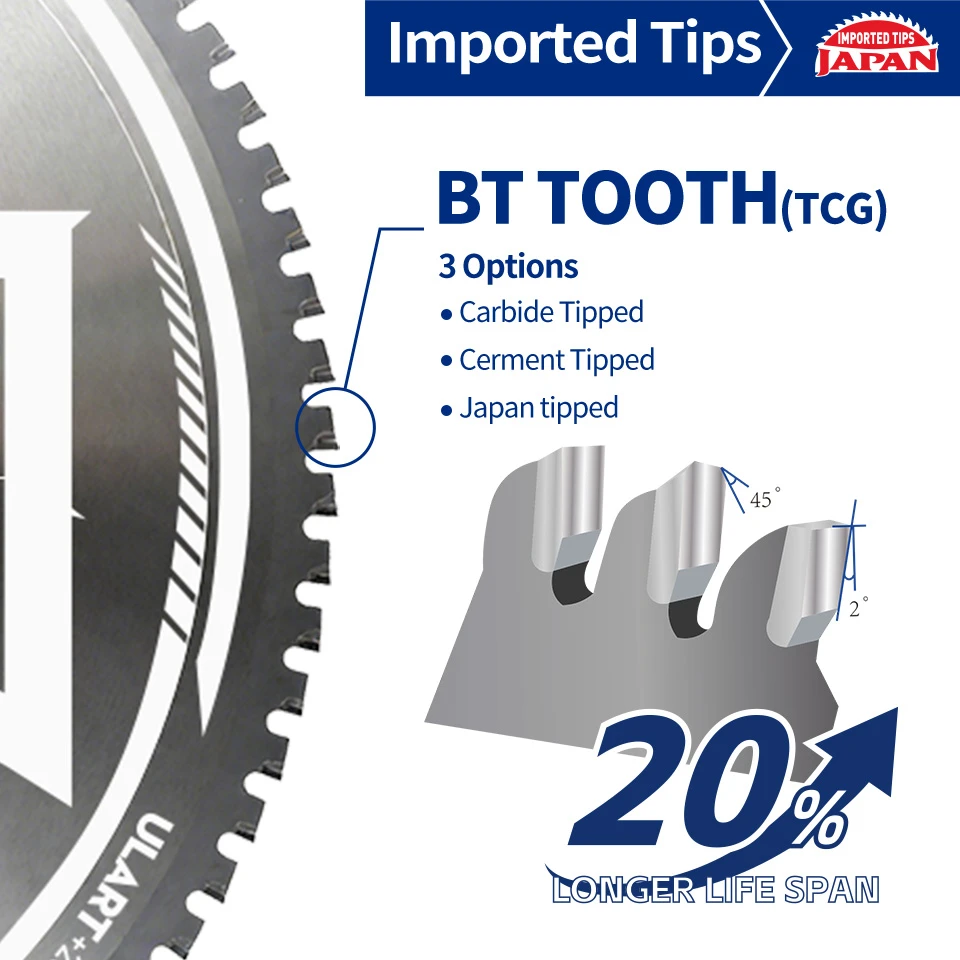
Cermet is a composite cutting material made from ceramic and metallic components. The ceramic phase provides hardness and wear resistance, while the metallic binder improves toughness and cutting stability. This combination allows cermet tips to maintain sharpness and resist heat in demanding cutting conditions.
For metal cutting, this is a major advantage. Cermet tipped saw blades are often used where users need:
longer blade life;
clean cutting with fewer burrs;
stable performance at higher cutting speeds;
reduced heat influence on metal workpieces;
consistent results in production cutting.
These benefits are highly valuable for steel and metal applications. However, PVC does not fail in the same way as metal. PVC is not difficult to cut because it is hard; it is difficult to cut cleanly because it can soften, melt, chip, or stick to the teeth when too much heat is generated.
What Are the Main Challenges When Cutting PVC?
PVC, or polyvinyl chloride, is a thermoplastic material used in pipes, fittings, window profiles, boards, electrical conduits and many construction products. Compared with metal, PVC is softer and easier to cut, but it is more sensitive to friction heat.
Common problems in PVC cutting include:
melted or rough cut edges;
plastic chips sticking to the blade teeth;
chipping on rigid PVC profiles;
deformation of thin-wall pipes;
white stress marks on the cut edge;
smoke, odor or discoloration when overheating occurs.
For this reason, the best blade for PVC is usually not the hardest blade, but the blade that can reduce friction, control heat, evacuate chips and prevent the teeth from grabbing the material.
Can Cermet Tipped Saw Blades Be Used for PVC?
Cermet tipped saw blades can cut rigid PVC, especially in occasional or low-volume cutting tasks. If the blade is sharp, the workpiece is properly clamped, and the feed is stable, a cermet blade can complete the cut.
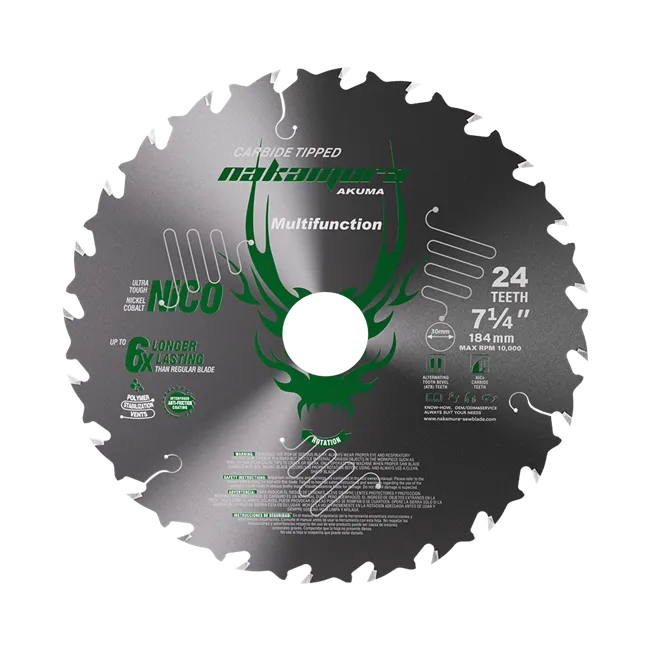
However, if you need to cut PVC every day, or if you require a clean edge on PVC boards, cellular PVC, plastic profiles or thin-wall pipes, a plastic-specific carbide saw blade is usually a better choice. For plastic cutting, the tooth geometry matters more than the tip material alone. Triple Chip Grind (TCG) or Modified Triple Chip Grind (MTCG), a zero or negative hook angle, anti-stick coating and proper chip clearance are usually more important than simply using a very hard cutting tip.
A practical way to understand the selection is:
For occasional rigid PVC cutting: a sharp cermet blade may work.
For high-volume PVC cutting: use a plastic-specific carbide blade.
For metal cutting with occasional PVC cutting: cermet is a reasonable option.
For abrasive boards, synthetic fiber panels or fiber cement materials: consider a PCD blade such as the Nakamura 10T PCD Cutting Blade.

Key Points When Cutting PVC with a Cermet Blade
1. Do Not Judge the Blade by Tip Material Only
A cermet tip is hard and wear-resistant, but PVC cutting also depends on tooth shape, hook angle, tooth count and chip evacuation. A blade with the wrong tooth geometry may still melt the PVC or leave a rough edge.
2. Use a Stable Feed Rate
Do not let the blade rub in one position for too long. Too slow a feed rate can generate heat and cause melting. Too aggressive a feed rate can cause chipping, vibration or material grabbing. The correct technique is to feed steadily and allow the chips to leave the cut.
3. Clamp the Workpiece Properly
PVC pipes and profiles can vibrate or deform during cutting. Always secure the material before cutting. For thin-wall pipe or hollow profiles, proper support is important to prevent cracking or edge deformation.
4. Keep the Blade Sharp and Clean
A dull blade creates more friction. More friction means more heat, and more heat increases the risk of melted edges and plastic build-up on the teeth. After cutting PVC, clean plastic residue from the blade before the next operation.
5. Avoid Overheating
PVC should not be burned during cutting. If you notice smoke, a strong odor, yellowing, or melted edges, stop and check the blade, speed, feed rate and chip removal. Use a well-ventilated area and proper personal protective equipment.
Professional Recommendation
If a customer asks whether cermet tipped saw blades can cut PVC, the best professional answer is:
Cermet tipped saw blades can cut rigid PVC in certain situations, but their main advantage is metal cutting, not plastic cutting. For occasional PVC cutting, they may be acceptable. For repeated PVC pipe, PVC board or plastic profile cutting, a plastic-specific carbide saw blade with TCG or MTCG tooth geometry, a zero or negative hook angle and anti-stick coating is usually the better solution.
For customers cutting mixed materials, the best choice depends on the material type, wall thickness, machine speed, clamping method and required edge quality. Nakamura can support OEM/ODM blade customization, including diameter, bore size, tooth count, tooth geometry, coating, blade body design, logo printing and packaging.
Conclusion
Cermet tipped saw blades can cut PVC, but they are not always the most suitable blade for this application. Their strength is high-speed, long-life metal cutting. PVC cutting requires heat control, clean chip evacuation and the right tooth geometry.
For metal cutting applications, explore Nakamura Cermet Tipped Saw Blades and Steel Cutting Circular Saw Blade. For abrasive sheet materials or synthetic fiber panels, the 10T PCD Cutting Blade may be a better option to evaluate.