


Here is the isolated English version of the optimized blog post, ready for you to copy and paste into your website CMS:
Title: Left-Blade vs. Right-Blade Circular Saws: What's the Difference & How to Choose Your Carbide Blade
As a premier carbide circular saw blade supplier, one of the most common questions we get isn't actually about the blades themselves, but rather the saws they go on: What is the difference between left-blade and right-blade circular saws? It's a great question. While standard circular saw blades are universal, the tool you mount them on heavily influences your cutting experience. Let's break down the differences and help you find the perfect blade for your next project.
What Are Left-Blade and Right-Blade Saws?
The terms "left" and "right" refer to which side of the motor the blade is mounted on when you are holding the saw handle.
- Right-Blade Saws (Sidewinders): Traditionally, most direct-drive "sidewinder" saws have the blade on the right side. For a right-handed user, this keeps the heavy motor resting on the solid part of the board (rather than the off-cut) for better balance.
- Left-Blade Saws: Often seen in worm-drive saws (or newer left-mounted sidewinders), the blade sits on the left. For right-handed users, this provides a clear, unobstructed line of sight to the cutting line without having to lean over the saw.
Does the Blade Change Based on the Saw?
No! Standard circular saw blades are designed to rotate in a specific direction (always cutting upward into the material). Whether your saw is left-oriented or right-oriented, you simply ensure the directional arrow printed on the blade matches the rotation of your saw's arbor.
The real secret to a clean cut isn't the orientation of the saw, but the quality and design of the carbide teeth on your blade.
Choosing the Right Blade for Your Application
Tear-out, chip removal, and cutting speed are determined by the blade's material, tooth count, and tooth geometry. Here are some of our top recommendations based on what you are cutting:
1. Cutting Hard and Abrasive Materials If you are working with extremely hard materials like ceramics, glass, or tough composites, a standard blade will dull quickly. Upgrading to a premium PCD Circular Saw Blade ensures maximum durability and precision when tackling the toughest jobs.
2. Composite Decking Composite materials are prone to melting or chipping if cut with the wrong blade. You need a specialized tooth geometry that slices cleanly without building up excess heat, which is why we highly recommend our specialized TCT Saw Blade For Cutting Composite Decking for a flawless finish.
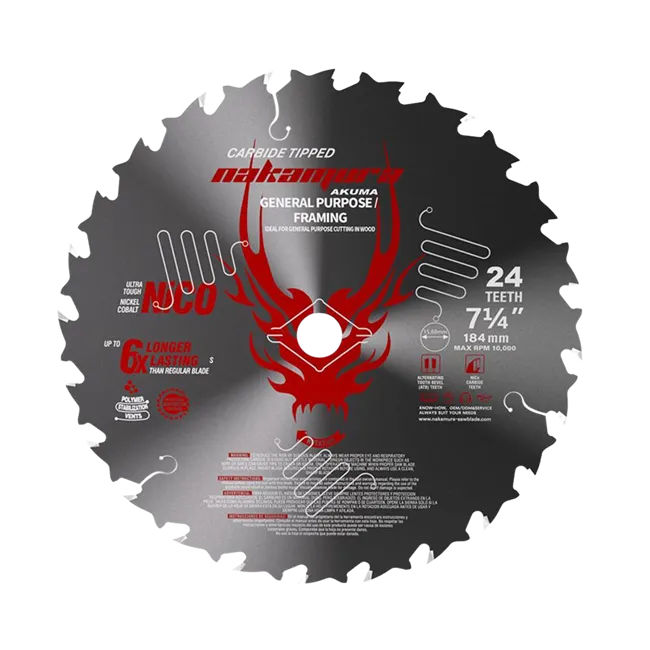
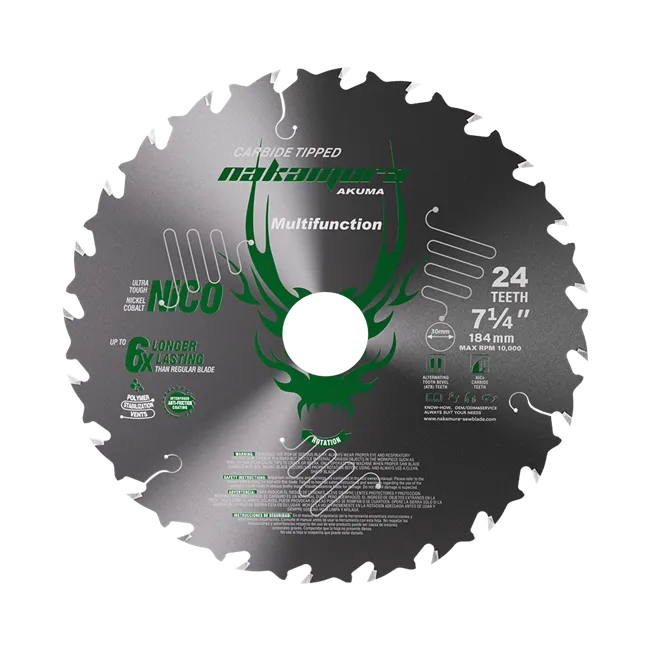
3. General Woodworking and Framing For standard lumber, plywood, and general cross-cutting, you want a reliable Tungsten Carbide Tipped (TCT) blade that balances speed and a clean finish. Our 125MM TCT Saw Blade For Wood is the perfect everyday workhorse for your workshop or job site.

Conclusion
Whether you prefer the balance of a right-blade saw or the visibility of a left-blade saw, the true hero of your workshop is the blade itself. By selecting high-quality carbide blades tailored to your specific material, you guarantee safer, smoother, and more professional cuts every time.