


As a supplier of weed eater blades and brush cutter blades, we are often asked one practical question: can a weed eater blade be used in wet conditions?
The answer is: yes, it can be used carefully in mildly wet vegetation, but it should not be used in heavy rain, standing water or unsafe electrical conditions.
Many users treat all "wet conditions" as the same, but damp grass from morning dew is very different from working in heavy rain, flooded ground or slippery mud. To determine whether a blade can be used safely, you need to consider the vegetation moisture level, ground condition, blade type, machine compatibility and operating method.
1. How Wet Conditions Affect a Weed Eater Blade
1) Higher Cutting Resistance
Wet grass is softer and more flexible than dry grass. Instead of being cut immediately, it may bend away from the blade first, which reduces cutting efficiency and can result in an uneven finish.
In this situation, the correct method is not to force the machine downward. Instead, slow the feed rate, keep the blade speed stable and let the blade do the cutting.
2) More Grass Build-Up
Wet grass clippings, mud and plant fibers are more likely to stick to the blade surface, tooth area and guard. When too much residue builds up, cutting performance drops, vibration may increase and the machine load becomes heavier.
That is why a well-balanced blade with good chip clearance is especially important in damp working conditions.
3) Higher Risk of Rust
Most weed eater blades are made from high-carbon steel, 65Mn steel or other strong steel materials. These materials offer good toughness and durability, but they still need to be cleaned and dried after use in wet conditions.
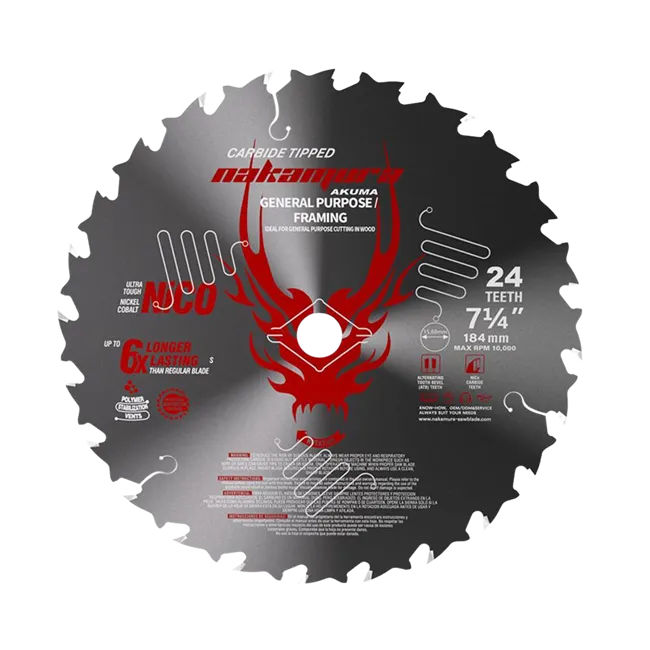
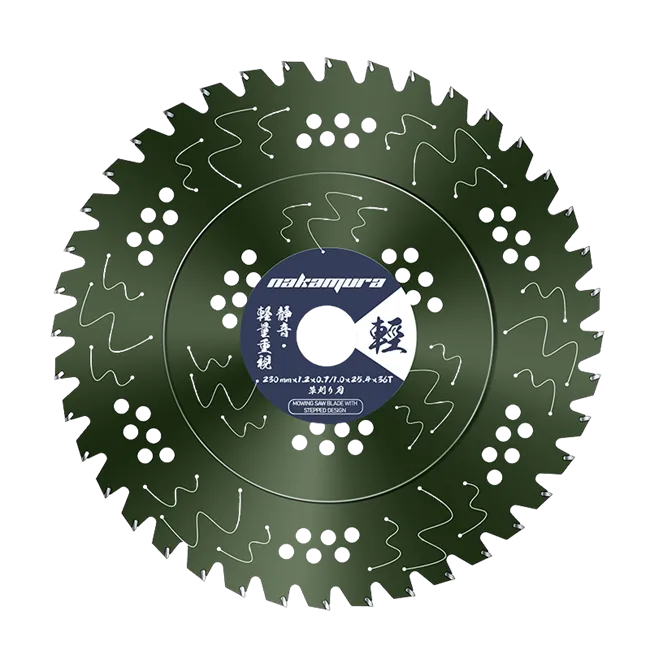
If you need a steel blade for heavier cutting jobs, you can check our Steel Blade Weed Eater, which is made from 65Mn high-carbon steel and is suitable for thick weeds, brambles, brush and small saplings.
2. Choosing the Right Blade for Wet Vegetation
Different types of vegetation require different blade designs. In wet conditions, choosing the right blade becomes even more important.
1) General Grass, Weeds and Garden Trimming
For normal grass, common weeds and general garden maintenance, a versatile mowing blade is a good option.
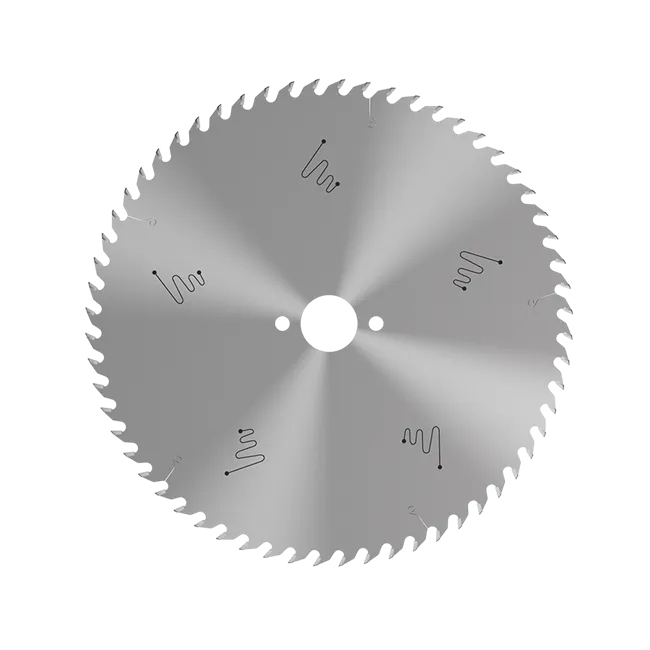
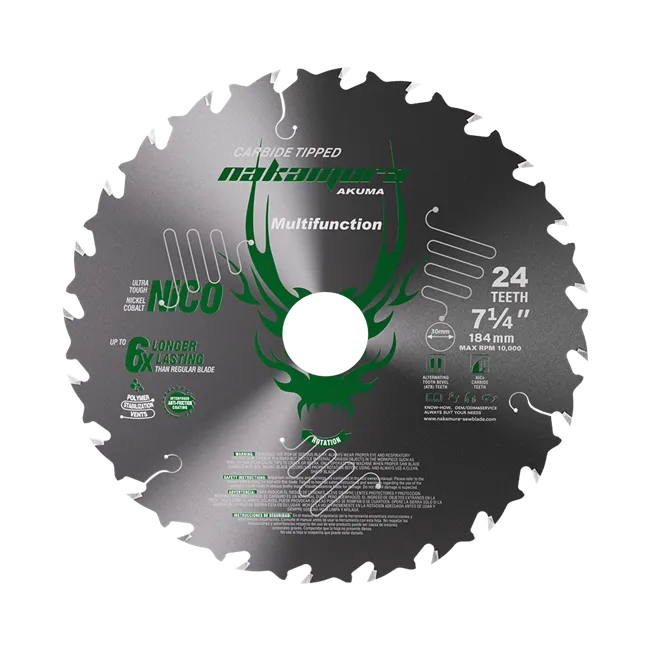
Our Grass Cutting Blade Circular Saw is designed for grass, bamboo, branches and other garden applications, making it suitable for customers who need both efficiency and versatility.
2) Lawn Edging and Border Maintenance
If your main task is edging, trimming borders or cleaning up lawn lines, an edging blade is a better choice.
Our Weed Wacker Edger Blade is suitable for lawn edges, border trimming and light to medium vegetation cutting.
3) Thick Weeds, Vines, Brush and Small Saplings
For heavier jobs involving dense weeds, vines, brushwood or small saplings, you need a stronger steel blade with better impact resistance and stability.
In these cases, blade material strength and structural durability are more important than sharpness alone.
3. Best Practices for Using a Weed Eater Blade in Wet Conditions
When using a weed eater blade in damp conditions, the most important rule is simple: go slower, stay stable and do not force the blade.
Keep a Stable Blade Speed
Do not push the machine too hard just because wet grass feels harder to cut. Excessive pressure increases the load on the motor and transmission system, and it may also increase the risk of binding or kickback.
Reduce the Feed Speed
Wet grass clears more slowly than dry grass. If you move too fast, clippings may build up around the guard and blade, reducing efficiency.
Keep the Blade Away from Mud and Standing Water
Avoid driving the blade directly into mud, stones or puddles. This can accelerate wear and increase the risk of impact damage or thrown debris.
Avoid Hard Obstacles
Rocks, metal wire, fences and concrete edges can damage the blade and create safety hazards. Metal blades are designed for vegetation, not for striking hard objects.
4. Safety Tips for Wet-Condition Cutting
Safety should always come first, especially when the ground is wet and slippery.
Check the Equipment Before Use
Before starting work, make sure:
the blade is mounted securely
the bore size matches the machine
the locking nut and washer are tightened properly
the blade has no cracks, missing teeth or deformation
Wear Proper Protective Equipment
You should wear:
safety goggles or a face shield
protective gloves
long trousers
non-slip work boots
Good traction is especially important when working on damp grass.
Stop the Machine Before Cleaning
If wet grass becomes wrapped around the blade or guard, always switch off the machine first and wait until the blade has completely stopped before cleaning it.
Clean and Dry the Blade After Use
After cutting, remove grass sap, mud and plant residue from the blade. Dry it thoroughly and apply light anti-rust protection if needed. Proper maintenance helps extend blade life.
5. When You Should Not Use a Metal Weed Eater Blade
A metal weed eater blade should not be used in the following situations:
heavy rain
standing water
extremely slippery mud
electric or battery-powered tools not suitable for wet use
areas with rocks, wire, glass or concrete debris
damaged, cracked, bent or loose blades
If the grass is heavily soaked and the job only involves light trimming, a nylon line head may be a safer and more suitable option.
6. Conclusion
In conclusion, a weed eater blade can be used in mildly wet vegetation, but it should not be used in heavy rain, standing water or unsafe working conditions.
The real factors that determine safe and efficient cutting are not just whether the grass is wet, but also:
blade material
blade structure
machine compatibility
vegetation type
ground condition
operating method
For distributors, wholesalers, landscaping teams and OEM buyers, choosing the right blade solution is more important than focusing on price alone.
If you are looking for mowing blade solutions for different garden applications, you can explore our products here:
Grass Cutting Blade Circular Saw
Nakamura can provide suitable weed eater blade solutions for different vegetation types, market needs and cutting applications.