


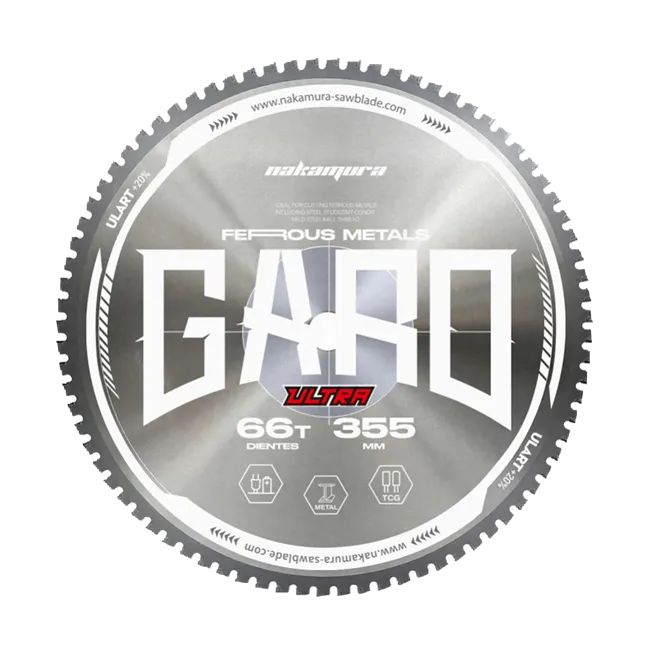

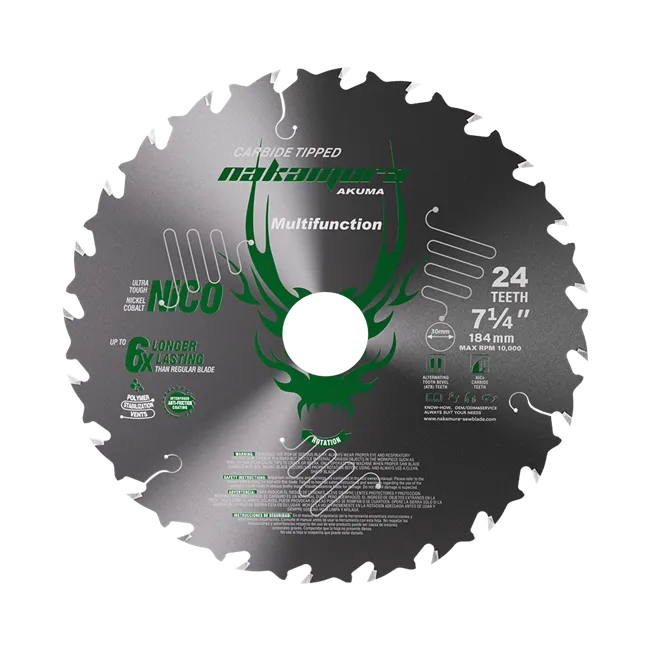

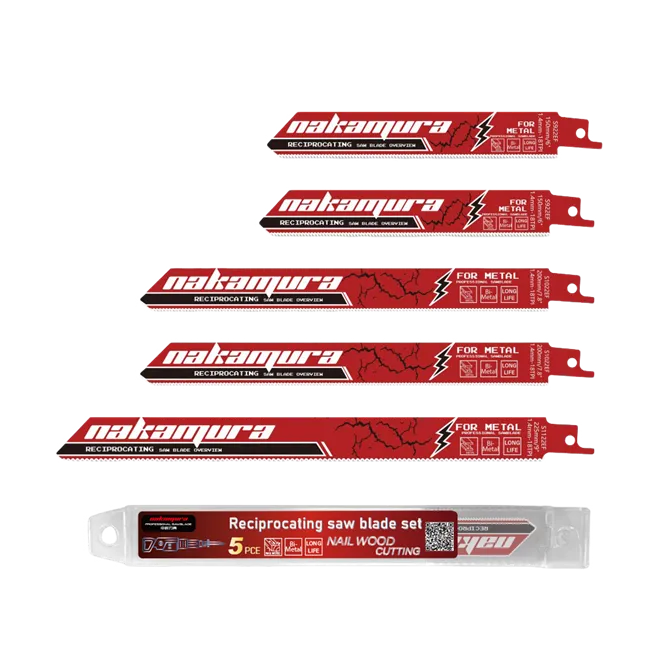

Hey there! As a professional carbide saw blade supplier specializing in power tool accessories, I've seen firsthand how crucial proper heat management and the right coolant (or cutting fluid) can be for getting the best performance out of these blades during metal-cutting operations. In this blog, I'm gonna break down how coolant affects a carbide saw blade's performance and why it matters to you.
Let's start with the basics. Carbide saw blades are super popular because they're tough and can cut through a wide variety of materials. But cutting, especially non-ferrous metals, generates a ton of heat. That heat can take a real toll on the blade, leading to things like dullness, warping, and even premature failure. That's where proper cooling and lubrication step in to save the day!

Temperature Control
One of the main jobs of a cutting fluid is to keep the temperature in check during cutting. When you're slicing through a metal workpiece, the friction between the blade and the material generates heat. This heat build-up is a big problem. If the blade gets too hot, the carbide teeth can lose their hardness and structural integrity.
A good coolant absorbs and dissipates this heat, preventing the blade from reaching those high, damaging temperatures. This allows the blade to stay sharp for longer periods. For example, when using our Nakamura 147mm*20*1.4*0.9*52T Circular Saw Blade on a lithium-battery tool to cut through dense materials, heat can quickly build up. (Note: While wood relies on air and blade design for cooling, cutting metal requires fluids.) By using the correct cutting spray or wax, the blade can maintain its ultra-thin kerf and cutting edge, making cleaner and more precise cuts while saving battery life.
Lubrication
Coolant also acts as a vital lubricant. When the blade is cutting, it's constantly in contact with the material. Without proper lubrication, the friction can cause the blade to bind, which not only makes the cutting process more difficult but also increases the wear on the blade and strains your cordless tool's motor.
The lubricating properties reduce the friction between the blade teeth and the workpiece. This allows the blade to move more smoothly through the material. For instance, when using our Nakamura 165mm*20*1.6*1.0*60T Aluminum Cutting Circular Saw Blade, you will notice that aluminum can be a very sticky material. Applying a proper lubricant prevents the aluminum from sticking (galling) to the carbide teeth, ensuring a cleaner, faster cut and preventing the saw from kicking back.

Chip Removal
Another important role of cutting fluids is chip removal. As the blade cuts through the material, it generates metal chips. These chips can clog the blade's teeth, reducing its cutting efficiency and increasing heat build-up.
The fluid acts as a flushing agent, pushing the chips out of the way so that the blade can continue to make clean cuts. This is especially important when using our Nakamura 185mm Multipurpose Circular Saw Blade on composite materials or thin metals that produce an abundance of chips. If the chips aren't efficiently cleared from the gullets, they can cause the blade to vibrate, which negatively affects the quality of the cut and can be a safety hazard.
Corrosion Prevention
Carbide saw blades are built with steel bodies, and steel can corrode over time. Fluids also play a role in preventing corrosion. Many modern coolants contain additives that form a protective layer on the blade's surface. This layer acts as a barrier, protecting the blade from moisture and other corrosive elements in the environment.
This is particularly important if you're working in a humid environment or storing your power tools in damp garages. A quick wipe-down with the right fluid ensures your investment remains rust-free and in good condition for a longer time.
Different Types of Coolants and Their Impact
For those using portable or lithium-battery circular saws, it is important to know the different options available:
- Solid Lubricants (Wax Sticks): Highly recommended for cordless circular saws. They are mess-free, easy to apply directly to the blade teeth, and provide excellent lubrication for cutting aluminum without damaging the tool's electronics.
- Water-Based Coolants (Mists): These are great at heat dissipation and are relatively inexpensive. They are environmentally friendly, but ensure they have anti-rust additives to protect your blade body.
- Oil-Based Coolants/Sprays: These offer excellent lubrication and reduce friction to a very low level. They also provide great protection against corrosion, though they require a bit more cleanup on the workpiece after the cut.
Choosing the Right Coolant for Your Carbide Saw Blade
Choosing the right coolant depends on several factors. First, consider the material you're cutting. Different materials generate different amounts of heat. Aluminum requires a formulation that combats its sticky nature, whereas steel demands maximum lubrication.
You also need to think about your tool type. If you are running lithium-battery circular saws, heavy liquid coolants are impractical and dangerous for the tool. Instead, opt for precision cutting pastes, wax sticks, or minimal quantity lubrication (MQL) sprays.
Conclusion
In conclusion, proper cooling and lubrication have a huge impact on the performance of a carbide saw blade during metal-cutting operations. They help control the temperature, lubricate the blade, clear chips, and prevent corrosion. By pairing the right cutting fluid with premium blades, you can significantly extend the life of your power tool accessories and increase your overall productivity.
If you have questions about matching the right blade to your cordless tools, or need advice on specific cutting techniques, don't hesitate to reach out. Let's start a conversation and get you the best products for your business.
References
- "Metal Cutting Principles" by Peter Childs
- "Cutting Fluids and the Metal-cutting Process" by S. K. Konig
- Industry research reports on cutting tool performance