





Hey there! As a carbide saw blade supplier, I often get asked about the tooth form of carbide saw blades. It's a crucial aspect that can significantly impact the performance of the saw blade. So, let's dive right in and explore what the tooth form of a carbide saw blade is all about.
Understanding Tooth Forms
The tooth form of a carbide saw blade refers to the shape and design of the individual teeth on the blade. Different tooth forms are engineered to suit various cutting applications, materials, and cutting conditions. Sizing and precision also play a role here; for instance, if you need a smaller blade, our Multi Blade Circular Saw 147mm is a great option designed for precision cutting in tight spaces and can be used with a variety of circular saws. Ultimately, choosing the right tooth form and blade size can make a big difference in terms of cutting speed, finish quality, and blade longevity.

Alternate Top Bevel (ATB) Tooth Form
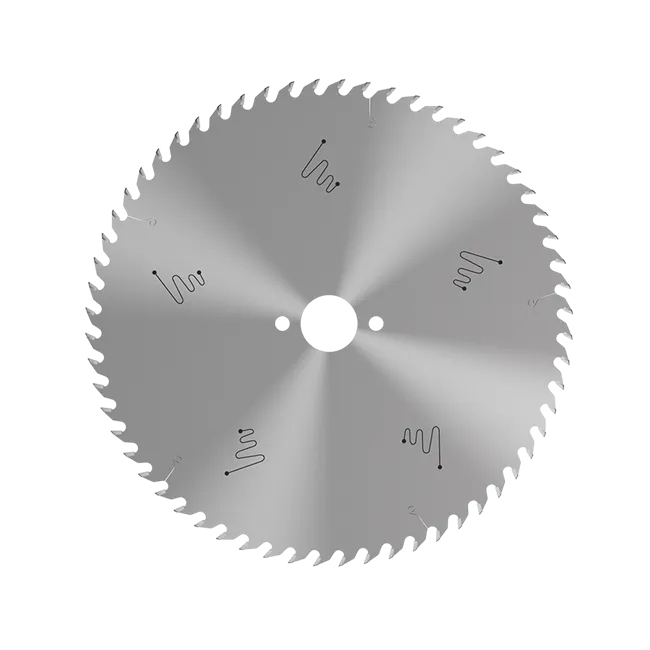
One of the most common tooth forms is the Alternate Top Bevel (ATB). In an ATB blade, the teeth alternate in their bevel direction. This design is great for general-purpose cutting, especially when working with wood, plywood, and some non-ferrous metals. The alternating bevels help to create a clean, smooth cut by shearing through the material. Our 185mm Multipurpose Circular Saw Blade is a great example of a versatile blade utilizing this design. Because it features an ATB tooth form, it can handle multiple materials with ease and is highly suitable for both cross-cutting and ripping.
Flat Top Grind (FTG) Tooth Form
The Flat Top Grind (FTG) tooth form features teeth with a flat top surface. This design is typically used for ripping operations, where the blade is cutting parallel to the grain of the wood. FTG blades are great for making fast, rough cuts in thick materials. They're not as good for cross-cutting or achieving a smooth finish, but they excel at quickly removing large amounts of material.
Triple Chip Grind (TCG) Tooth Form
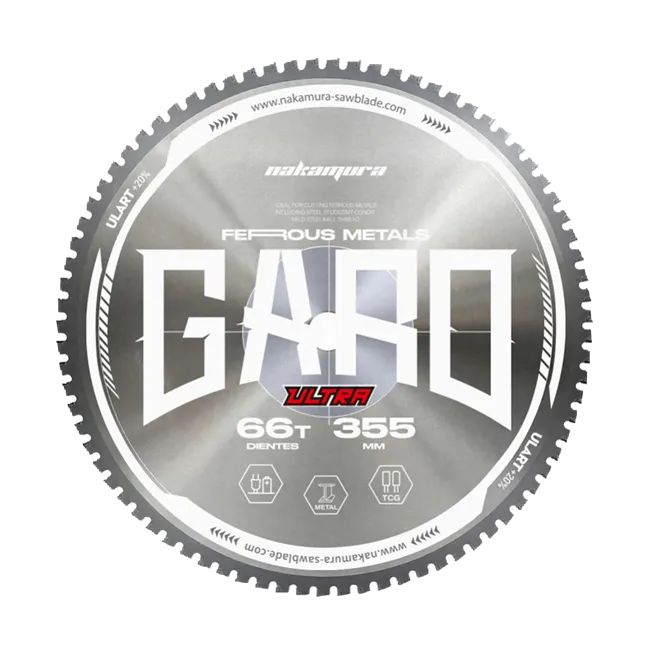
The Triple Chip Grind (TCG) tooth form is a popular choice for cutting hard materials like aluminum, plastics, and composite materials. TCG blades have teeth with a flat top and two beveled edges. The flat top helps to break through the material, while the beveled edges provide a clean, sharp cut. We specifically use this tooth form in our 7-1/4 Multi-Material Cutting Blades to effortlessly cut through a variety of tough materials, including wood, metal, and plastic, ensuring a clean finish and excellent chip removal.
Raker Tooth Form
Raker tooth blades have teeth that alternate between a regular cutting tooth and a raker tooth. The raker tooth is slightly lower than the cutting tooth and is designed to clear away the chips from the cutting path. This tooth form is often used for sawing large logs or thick lumber, as it helps to prevent the blade from binding and overheating.
Factors Affecting Tooth Form Selection
When choosing the right tooth form for a carbide saw blade, several factors need to be considered.

Material Being Cut
The type of material you're cutting is one of the most important factors. Different materials have different properties, such as hardness, density, and grain structure, which require specific tooth forms for optimal cutting. For example, if you're cutting softwood, an ATB blade might be a good choice. But if you're cutting hardwood or metal, a TCG or FTG blade might be more suitable.
Cutting Application
The cutting application also plays a role in tooth form selection. Are you making cross-cuts, rip cuts, or miter cuts? Different tooth forms are better suited for different types of cuts. For cross-cutting, an ATB blade with a high tooth count will provide a smooth, clean cut. For ripping, an FTG blade with fewer teeth will be more efficient.
Cutting Speed and Feed Rate
The cutting speed and feed rate can also affect the performance of the saw blade. If you're cutting at a high speed, you'll need a tooth form that can handle the increased stress and heat. A TCG blade is often a good choice for high-speed cutting, as it can dissipate heat more effectively. On the other hand, if you're cutting at a slower speed, you might be able to use a blade with a different tooth form.
Importance of Tooth Form Maintenance
Once you've selected the right tooth form for your carbide saw blade, it's important to maintain it properly. Regular cleaning and sharpening can help to extend the life of the blade and ensure optimal performance. Dull or damaged teeth can lead to poor cutting quality, increased cutting resistance, and even blade failure.
To clean your saw blade, you can use a blade cleaner or a mixture of warm water and mild detergent. Make sure to remove any debris or resin from the teeth and the blade body. After cleaning, dry the blade thoroughly to prevent rust.
Sharpening your saw blade is a bit more complicated and should be done by a professional. A professional sharpening service can ensure that the teeth are sharpened to the correct angle and that the blade is balanced properly.
Conclusion
In conclusion, the tooth form of a carbide saw blade is a critical factor that can affect the performance and efficiency of your cutting operations. By understanding the different tooth forms and their applications, you can choose the right blade for your specific needs. Whether you're a professional woodworker, a DIY enthusiast, or a metal fabricator, having the right saw blade with the appropriate tooth form can make your cutting tasks easier and more enjoyable.
If you're interested in purchasing high-quality carbide saw blades with the right tooth form for your application, feel free to reach out to us. We're here to help you find the perfect blade for your needs and provide you with the best customer service. Contact us today to start a conversation about your procurement needs!