


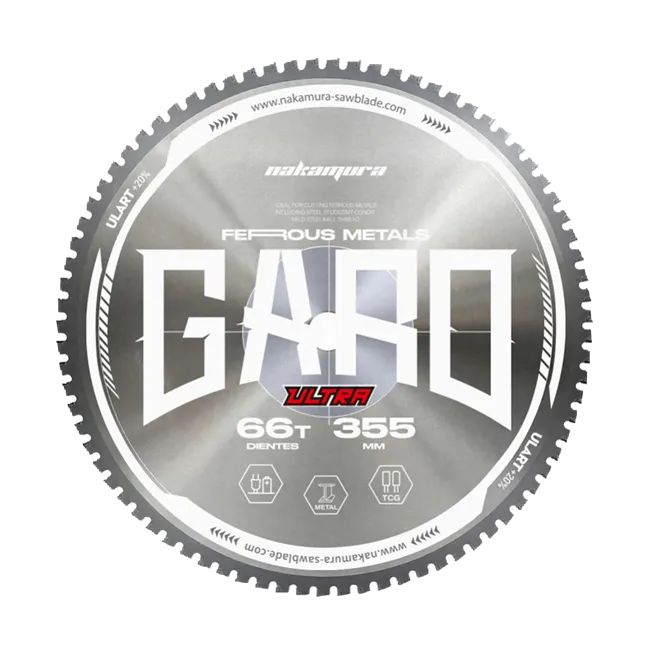



As a professional supplier of high-quality cutting tools, we know that achieving a flawless cut isn't just about having a powerful saw-it's about using the right blade. Carbide teeth saw blades are the industry standard for precision, durability, and efficiency.
In this comprehensive guide, we will explore the science behind these blades and share expert tips on how to achieve high-precision cutting in your woodworking and manufacturing projects.
The Science of Carbide Teeth
What makes carbide teeth saw blades superior? The teeth are primarily composed of Tungsten Carbide (WC), an exceptionally hard compound bonded with metals like cobalt. This metallurgical structure allows the blade to maintain a razor-sharp edge at extreme temperatures, effortlessly cutting through solid wood, engineered panels, and various materials without losing performance.
Tooth geometry also plays a critical role. The way the teeth are angled determines how efficiently the blade clears chips and slices through material fibers.
1. Selecting the Right Blade for Solid Wood
The foundation of high-precision cutting is matching the blade to the material. Using a generic blade for every application leads to tear-out, burning, and premature wear.
If your primary focus is general woodworking or ripping natural wood, tooth count is crucial. For the perfect balance of speed and precision in framing and carpentry, our Wood 24 Tooth Saw Blade is an excellent choice. The aggressive 24-tooth configuration provides incredibly fast, clean cuts in solid wood, ensuring smooth operation.

2. Tackling Laminates and Engineered Materials
Manufactured materials pose a unique challenge. Laminate flooring and melamine have dense surface layers that can easily cause edge chipping.
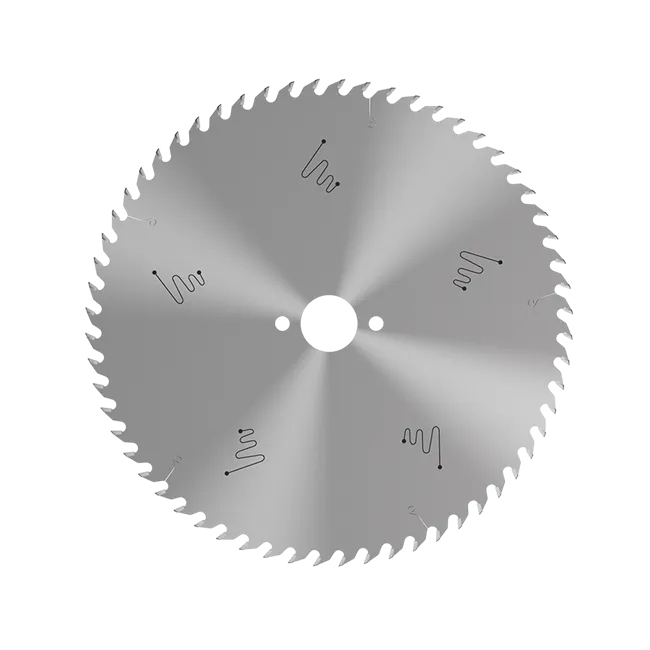
To achieve a flawless edge on these materials, you need a specialized high-tooth-count blade. We highly recommend our Circular Saw Blade for Laminate Wood. Engineered specifically for abrasive surfaces, this blade prevents chipping on the delicate top layer, giving you a precise, professional-looking cut every single time.
3. Proper Saw Preparation and Feed Rate
Once the right blade is chosen, proper setup and execution are mandatory:
- Clean the Arbor: Before mounting the blade, ensure the saw's arbor and flanges are free of dust and resin. A dirty arbor causes blade runout (wobble), destroying your precision.
- Control the Feed Rate: Instead of trying to adjust the saw's RPM (as most circular saws run at a fixed speed), you must master your feed rate (how fast you push the material) to prevent splintering or burning.
- Professional Sharpening: Never attempt to sharpen a carbide blade with a standard sharpening stone. Carbide requires professional sharpening using fine diamond-grit wheels.
4. Custom Solutions for Complex Applications
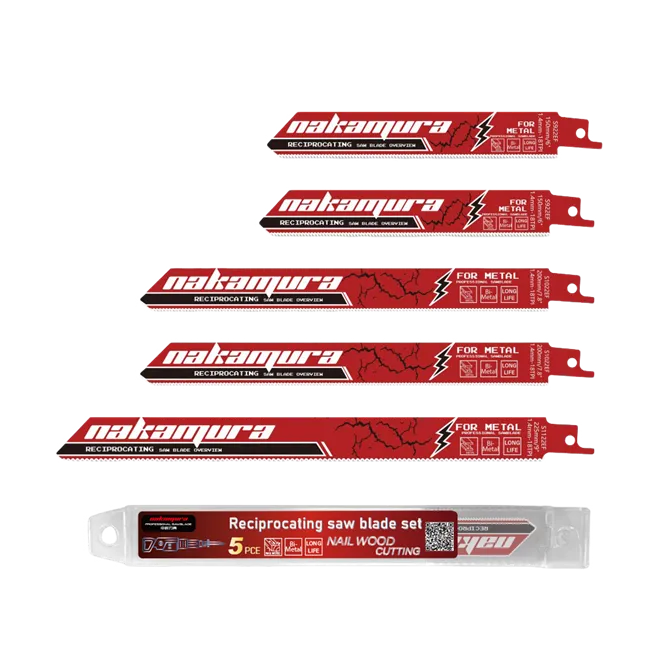
While circular saw blades handle precision straight cuts, many projects require custom tools for unique industrial applications. For heavy-duty or non-standard tasks, we offer fully customizable solutions. Our OEM ODM Reciprocating Saw Blade Set can be tailored precisely to your operational requirements, whether you need specific tooth shapes or unique coatings.

Safety and Maintenance
Precision and safety go hand in hand. Always wear safety glasses and hearing protection. Before making any blade changes, unplug the saw. After cutting, clean your blades using a pitch-removing solvent and store them in a dry environment to prevent damage.
Let's Connect
Ready to upgrade your cutting performance? Contact us today to discuss your tooling requirements and find the perfect blade for your needs!