

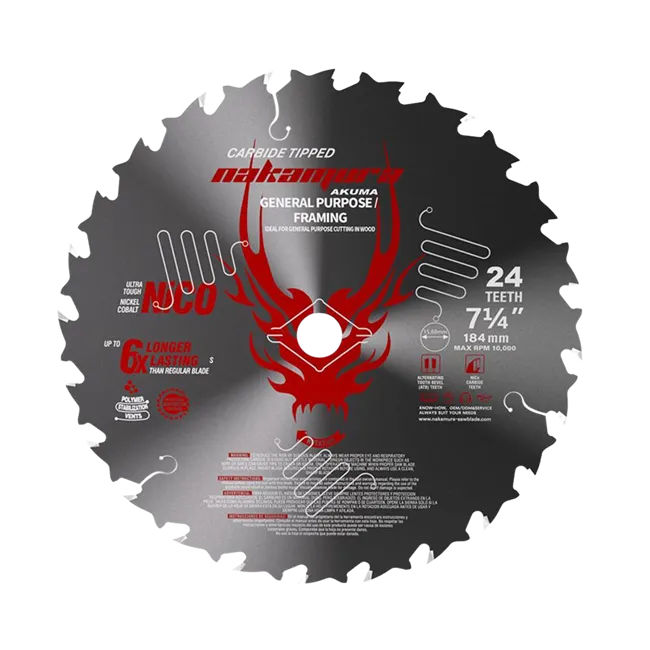
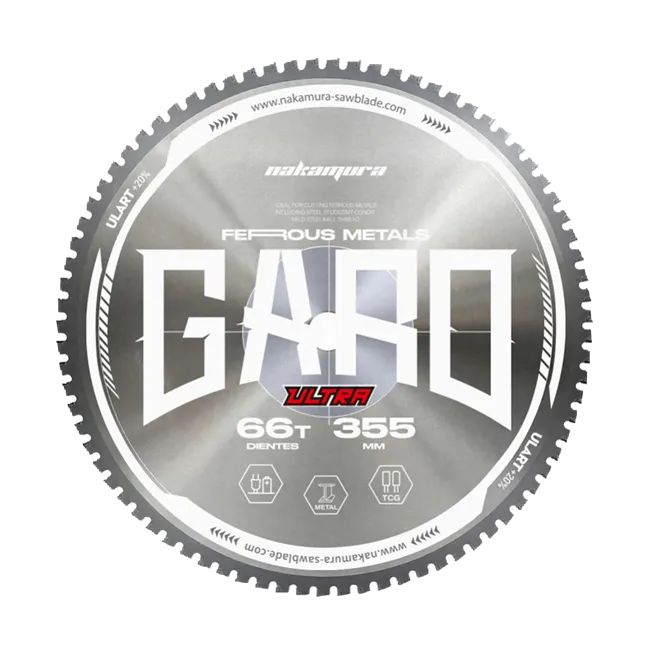
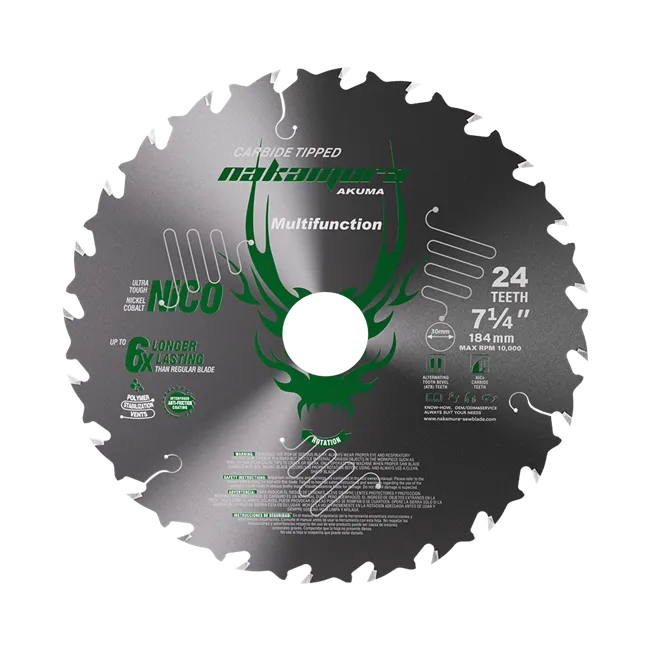

In industrial manufacturing and heavy-duty fabrication, the efficiency of a cutting operation is inextricably linked to the metallurgical quality and geometric design of the cutting tool. Multipurpose chop saw blades are engineered to process a diverse spectrum of substrates-ranging from mild steel to dense polymers and timber-without necessitating constant tool changes. For procurement engineers, understanding the exact technical specifications that distinguish premium blades from standard consumables is critical to optimizing operational overhead and maximizing production yield.
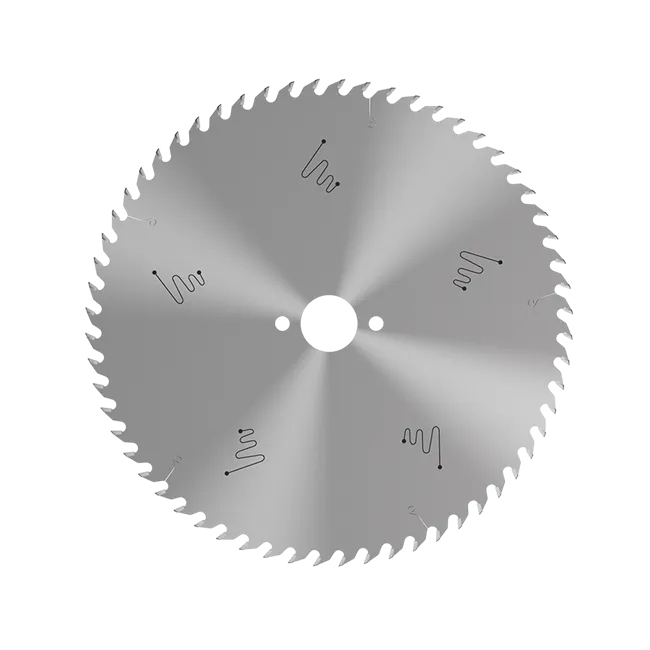
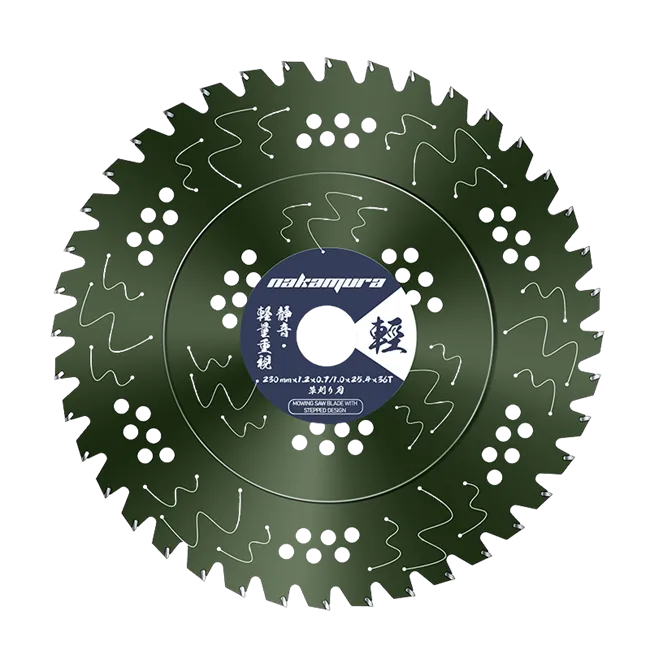
Kinematic Precision and Material-Specific Tooling The foundational metric of any cutting tool is its ability to maintain structural stability under extreme rotational kinetic energy. When processing dimensional lumber or delicate crosscuts, operators frequently deploy a Thin Saw Blade For Cutting Wood. The ultra-thin kerf reduces the volume of material removed, thereby minimizing the electrical load on the spindle motor. However, to withstand the severe centrifugal forces associated with thin-kerf designs, premium industrial circular blades utilize state-of-the-art laser welding technology. This laser-welding process completely replaces outdated hot-press methods, ensuring that the tungsten carbide tips maintain a flawless molecular bond with the high-tension alloy steel plate, preventing deflection and tooth shearing.
Extreme Abrasion and Advanced Composites When fabrication shifts from standard timber to highly abrasive non-ferrous materials or advanced composites (such as fiber cement or melamine), standard carbide is subjected to rapid thermal degradation. In these high-friction environments, integrating the Nakamura PCD Cutting Blade into the workflow provides an unparalleled technological advantage. Utilizing Polycrystalline Diamond (PCD) matrices, this blade offers edge retention that exponentially outlasts conventional tooling. The micro-shearing action of PCD geometry guarantees a surgically clean finish without the lethal dust clouds or edge chipping associated with blunt tools.
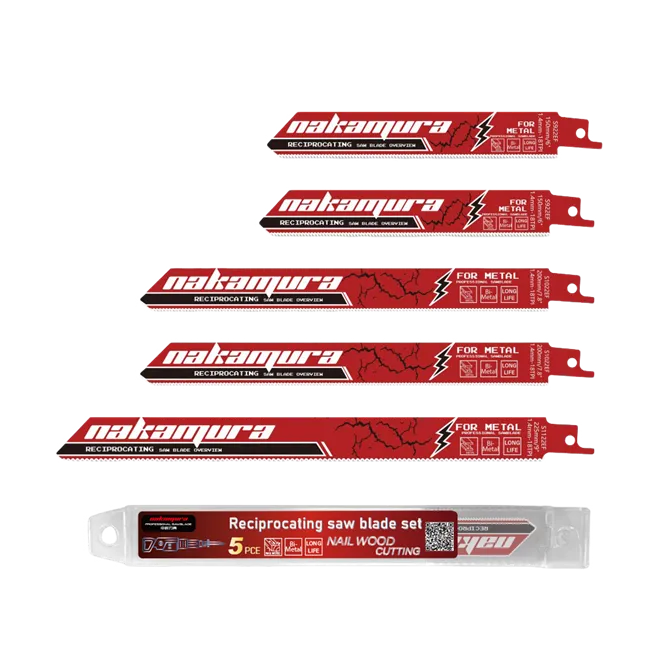
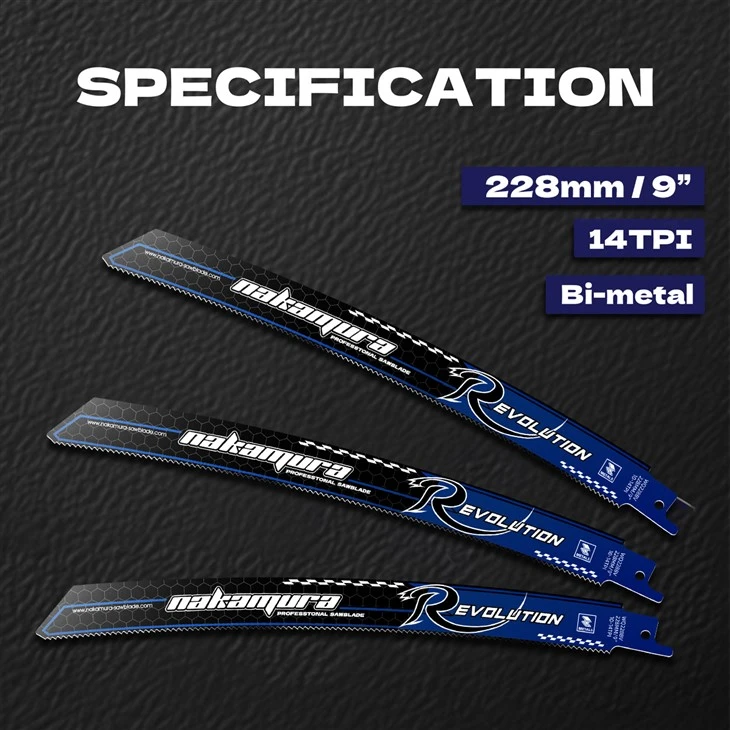
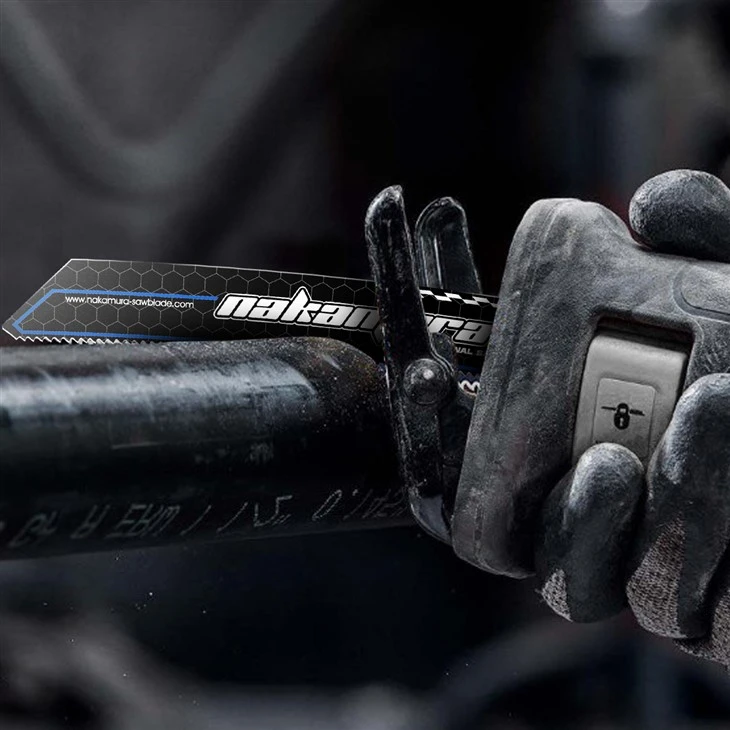
Differentiating Circular and Linear Shearing Dynamics It is imperative for facility managers to correctly match the tool's kinetic profile to the machine type. While circular chop saws rely on continuous rotational torque, demolition and structural remodeling demand linear cutting mechanics. For these applications, deploying Reciprocating Saw Blades For Metal provides the necessary aggressive stroke. Forged from flexible bi-metal compositions (typically M42 high-speed steel teeth bonded to a spring steel backer), these blades absorb catastrophic flexing and impact shocks when plunging into heavy steel pipes or embedded nails-a mechanical feat impossible for rigid circular plates.
Thermal Management and Harmonic Balancing A critical failure point for low-quality multipurpose blades is unmanaged harmonic resonance. High-RPM cutting generates severe frictional heat. If the steel core cannot dissipate this heat, the plate warps, leading to aggressive vibration (chatter), deafening decibel levels, and premature edge failure. Premium chop saw blades are engineered with CNC laser-cut expansion slots infused with acoustic-dampening resins. This micro-architecture dynamically absorbs thermal expansion, ensuring the blade remains perfectly flat and concentric under heavy torque.
Conclusion for B2B Procurement Investing in high-grade cutting tooling is a calculation of Total Cost of Ownership (TCO). By standardizing procurement around laser-welded structural integrity, strict material matching, and advanced thermal management geometries, industrial fabricators can drastically reduce equipment downtime, eliminate secondary finishing processes, and maximize overall operational safety and yield.