


Have you ever wondered why some saw blades produce clean, smooth cuts while others cause chipping, burrs, or excessive heat? The answer is not always the carbide teeth or the number of teeth. The blade's rake geometry also plays an important role in cutting performance.
For professional woodworkers, metal fabricators, and industrial buyers, understanding rake angle can help improve cutting efficiency, surface quality, and blade life. Let's look at how it works and why choosing the right blade matters.
1. What Is Saw Blade Rake Angle?
Rake angle describes the orientation of a saw tooth's cutting face in relation to a reference line. In circular saw blade specifications, you will often see the related term hook angle.
Although these terms are sometimes used loosely, they are not always technically identical. Hook angle describes how far the tooth leans forward or backward relative to the blade's radial reference line.
There are three common configurations:
Positive hook angle: The tooth leans forward into the cut, allowing more aggressive material engagement and easier feeding.
Zero hook angle: The tooth is approximately aligned with the radial reference line, providing a more neutral cutting action.
Negative hook angle: The tooth leans backward, reducing aggressive engagement and helping control the cutting process.
The appropriate geometry depends on the material, machine type, cutting direction, and operating conditions.
2. How Does Rake Angle Affect Different Materials?
Different materials behave differently during cutting, so one tooth configuration cannot deliver the best results for every application.
Wood Cutting
Wood is a fibrous material that requires effective chip removal and clean cutting edges. Positive hook angles are commonly used for woodworking blades because they help teeth enter the material efficiently and remove chips.
However, a more aggressive angle is not always better. On miter saws and certain crosscutting applications, a lower or negative hook angle may provide better control and reduce the tendency of the blade to pull the workpiece into the cut.
Tooth geometry also matters. ATB teeth are commonly used for crosscutting and clean wood cuts, while FTG designs are often selected for efficient ripping.
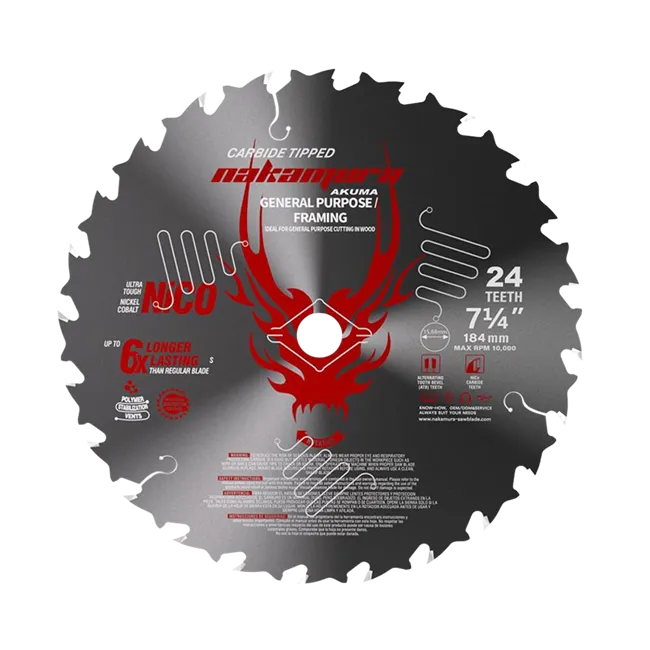
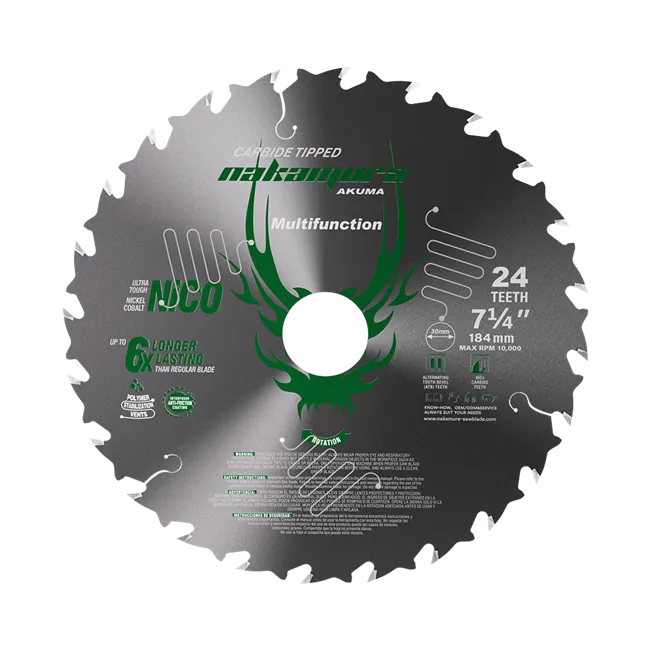
For woodworking applications, Nakamura offers the Wood Cutting Circular Saw Blade, featuring ATB teeth and a carbide-tipped design for wood, OSB, MDF, and other wood-based materials.
Aluminum Cutting
Aluminum is relatively soft and has a tendency to stick to cutting edges during machining. This can cause chip buildup, increased friction, and poor surface quality.
Aluminum cutting blades commonly use negative hook angles and TCG (Triple Chip Grind) tooth geometry. The alternating chamfered and flat teeth distribute the cutting work and help produce cleaner edges while improving chip control.
The correct tooth count is equally important. Thin aluminum profiles generally require more teeth for a finer finish, while thicker sections need sufficient space between teeth for chip evacuation.
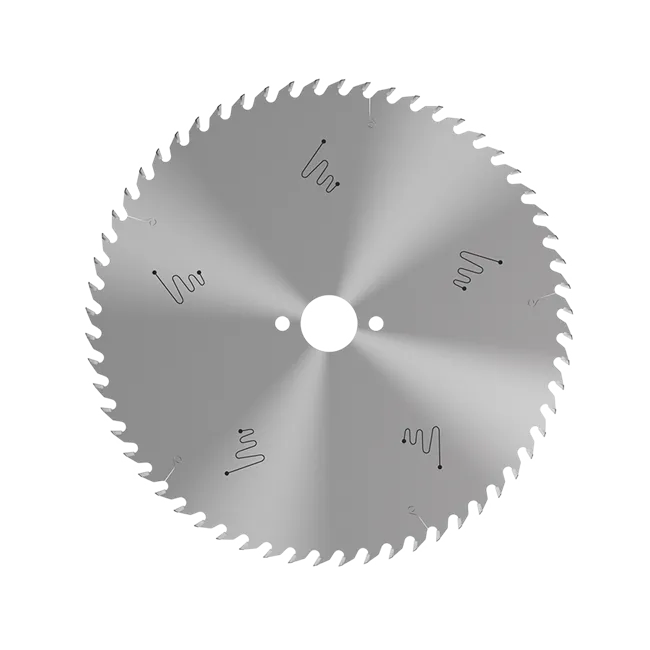
For these applications, Nakamura provides the 10 Inch Aluminum Cutting Saw Blade, designed for aluminum doors, windows, profiles, and tubes.
Metal Cutting
Cutting steel and other ferrous metals requires a different approach from woodworking.
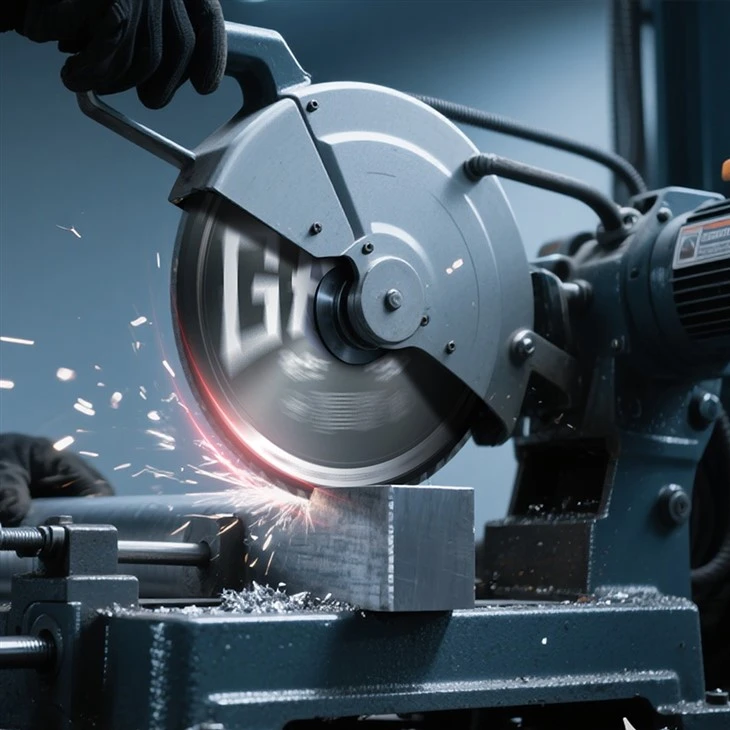
Cold-cut metal saw blades generally use low or negative hook angles to reduce aggressive tooth engagement and help maintain cutting stability. Depending on the application, they may use carbide or cermet-tipped teeth.
Unlike wood cutting, metal cutting also requires careful control of blade speed, feed rate, workpiece clamping, and heat generation. Selecting the correct blade for the specific metal and machine is essential for consistent results.
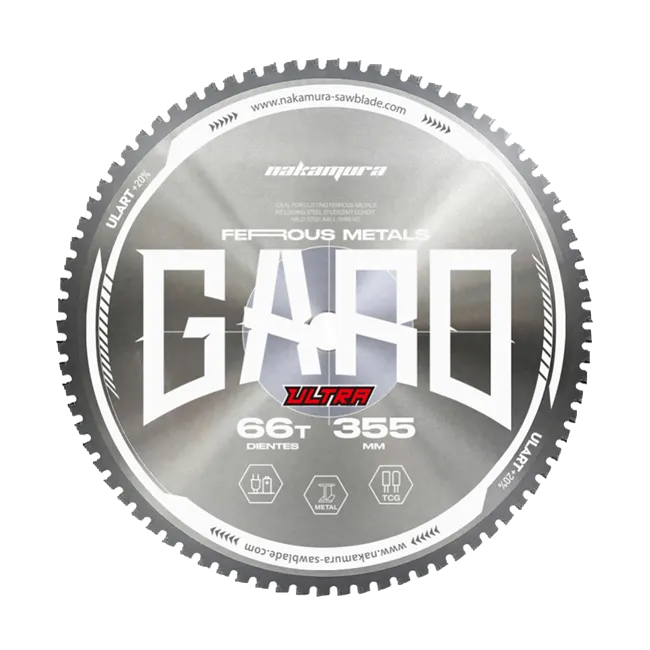
Nakamura's Cold Cut Metal Saw Blade is designed for applications such as steel pipes, angle steel, and metal profiles.
3. Common Mistakes When Choosing a Saw Blade
Even experienced users sometimes overlook the importance of tooth geometry. Here are three common mistakes:
1. Using the same blade for different materials
Wood, aluminum, and steel have different cutting requirements. A blade designed for one material may deliver poor results or create safety risks when used on another.
2. Choosing a blade based only on tooth count
More teeth do not automatically mean better cutting performance. Tooth shape, rake angle, gullet capacity, and material thickness must all be considered together.
3. Ignoring machine compatibility
The blade diameter, bore size, maximum RPM, and cutting direction must match the machine manufacturer's requirements. Even a high-quality blade cannot perform properly if the setup is incorrect.
4. How to Choose the Right Saw Blade
Choosing the right saw blade is about matching its design to the actual cutting application.
Before purchasing, consider the following:
What material are you cutting?
Is the material solid, hollow, thin, or thick?
What type of machine are you using?
Do you prioritize cutting speed, surface finish, or service life?
What blade diameter, bore size, and tooth count do you need?
At Nakamura, we focus on application-specific saw blade solutions rather than a one-size-fits-all approach. Our product range covers woodworking, aluminum processing, metal cutting, and other professional applications, with OEM and ODM customization available.
The right rake geometry, tooth design, and blade specification can make a significant difference in cutting performance. If you are looking for a suitable saw blade for your market or production requirements, contact Nakamura to discuss your application and specifications.