


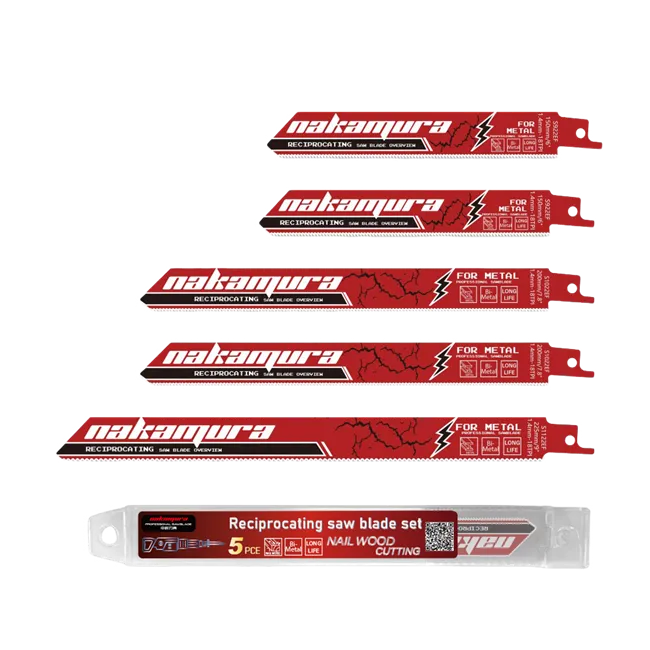
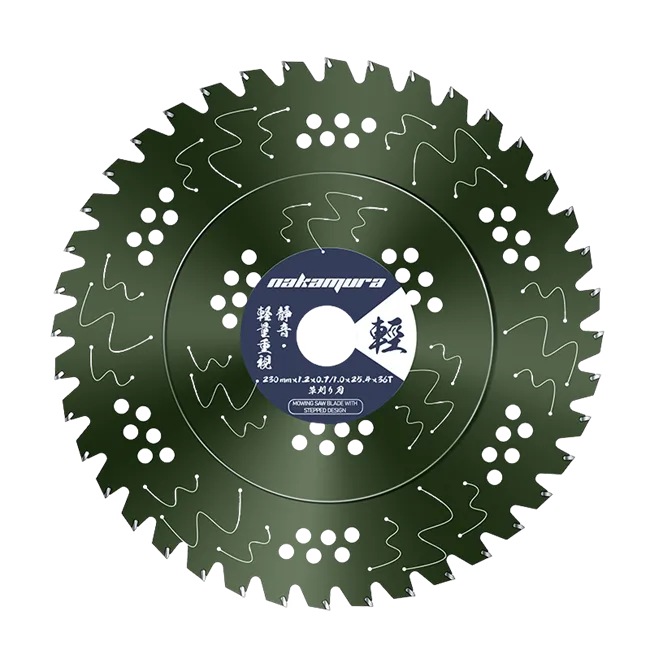
If you've ever needed to replace a carbide saw blade, you know that installation involves more than simply placing the blade on the arbor and tightening the nut. A blade that is incorrectly positioned, poorly secured, or incompatible with the machine can cause vibration, poor cutting results, and serious safety risks.
Whether you're a professional fabricator cutting aluminum, a woodworker working with solid timber, or a contractor handling different materials, knowing how to install a carbide saw blade correctly is essential.
As a carbide saw blade manufacturer, we understand how important proper installation is for both cutting performance and blade life. In this guide, we'll walk through the key installation steps, common mistakes to avoid, and how to choose a suitable blade for your application.
1. Choose the Right Carbide Saw Blade
Before installation, make sure the blade is compatible with your saw and cutting material. Not all carbide saw blades are designed for the same applications.
Here are three options for different cutting requirements:
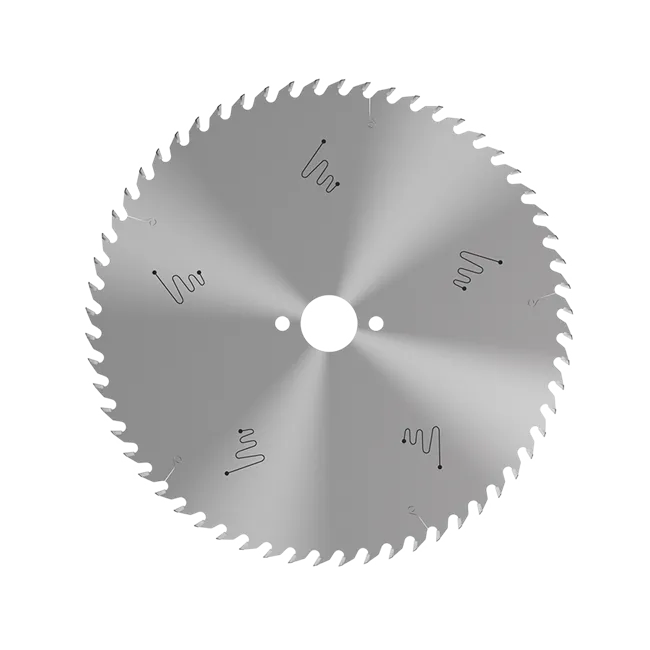
Aluminum Cutting Circular Saw Blade: Designed specifically for aluminum processing, with TCG tooth geometry to support efficient chip removal and clean cutting.
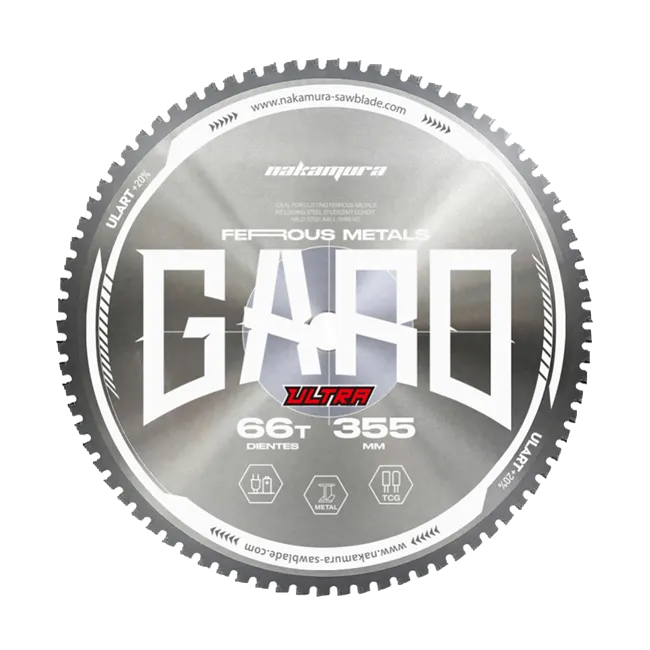
Multipurpose Chop Saw Blade: Designed for compatible chop saw machines and selected applications involving steel, aluminum, wood, and plastic.
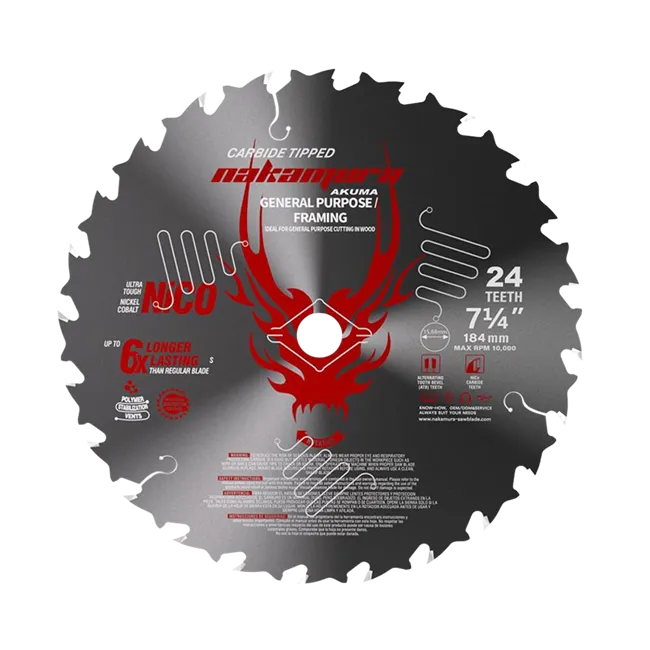
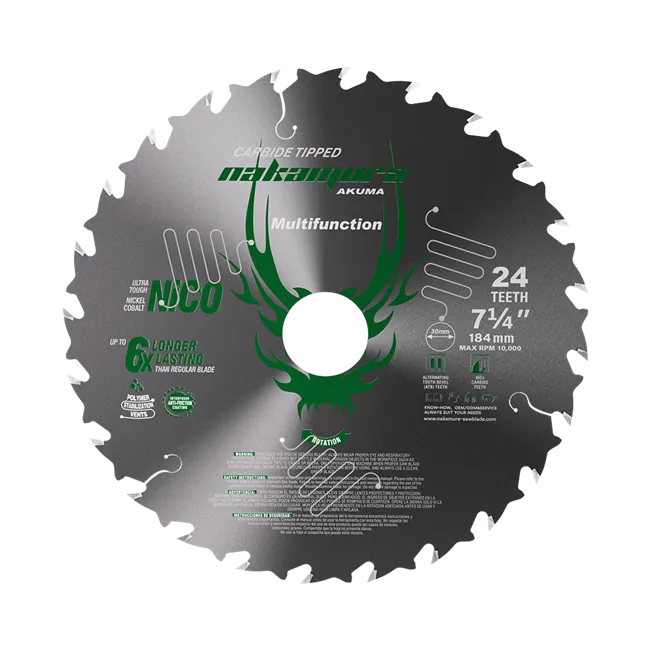
Circular Saw Blade for Wood And Metal: A multipurpose TCT blade designed for selected wood and metal cutting applications.
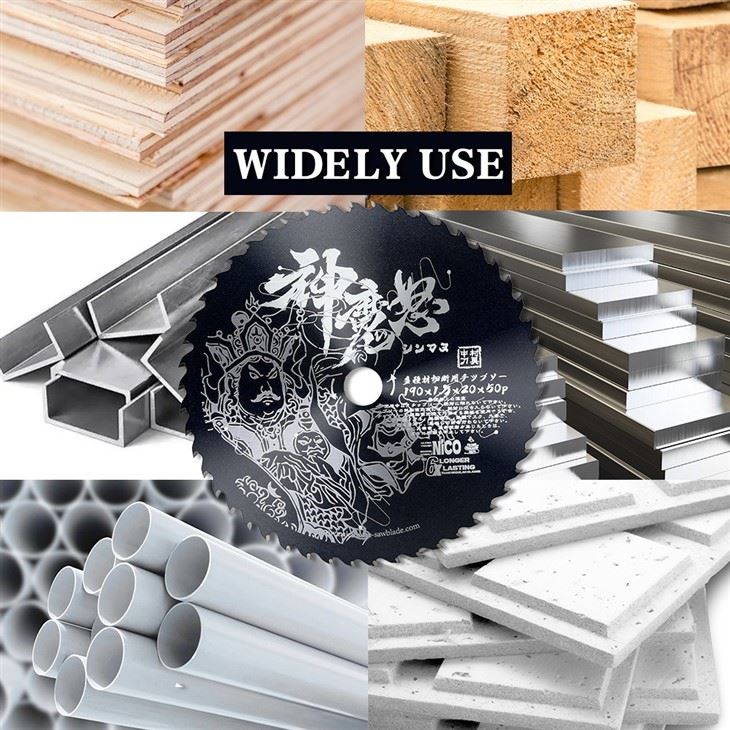
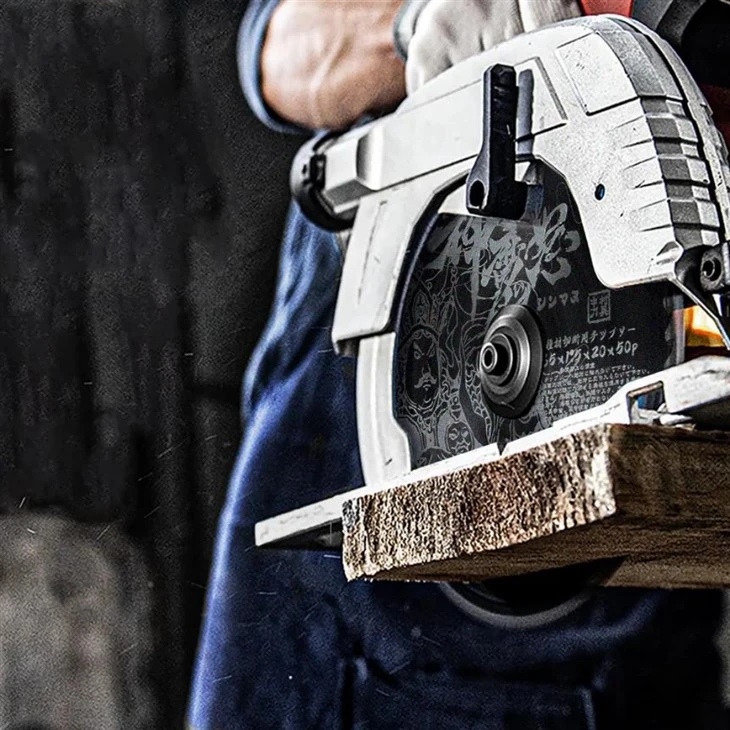
Before purchasing or installing a blade, check these specifications:
Blade diameter
Arbor or bore size
Blade thickness and kerf
Tooth count and tooth geometry
Maximum RPM
Machine type and cutting application
The blade must match the saw manufacturer's specifications. Never assume that two blades with the same diameter are interchangeable.
2. Prepare Your Saw and Work Area
Safety should always come first.
Before replacing the blade:
Disconnect the saw from its power supply. For cordless saws, remove the battery.
Wait until the existing blade has completely stopped and cooled down.
Wear suitable cut-resistant gloves while handling the blade.
Keep the work area clean and remove unnecessary tools or materials.
Check that the blade guard and other safety components are in good condition.
Never attempt to install or adjust a blade while the machine is connected to power.
3. Inspect and Clean the Arbor
The arbor and mounting flanges play an important role in keeping the blade properly positioned.
Before installing the new blade, inspect the following components:
Arbor or spindle: Check for visible damage, excessive wear, or rust.
Inner and outer flanges: Make sure the contact surfaces are clean and undamaged.
Blade mounting hole: Confirm that it matches the machine's arbor specifications.
Reducing bushings: If required, use only the correct manufacturer-approved bushing.
Remove dust, metal particles, and other debris using a clean, lint-free cloth.
Do not use excessive force or abrasive tools that could damage the mounting surfaces. A damaged or contaminated flange can prevent the blade from sitting correctly.
4. Check the Blade Rotation Direction
One of the most important installation details is blade orientation.
Most carbide saw blades have a directional arrow printed on the blade body. This arrow indicates the intended direction of rotation.
Before mounting the blade:
Locate the rotation arrow on the blade.
Check the rotation direction indicated on the saw.
Position the blade so both arrows match.
Confirm that the carbide teeth face the correct cutting direction.
Do not assume that every saw rotates clockwise or counterclockwise. The correct direction depends on the machine design.
Installing a blade in the wrong direction can result in poor cutting performance, increased wear, and potential safety hazards.
5. Position the Blade and Mounting Flanges
Once the orientation is confirmed, carefully position the blade on the arbor.
Make sure the blade sits flat against the inner mounting flange and that the mounting hole is properly aligned.
Next, install the outer flange and arbor nut in the order specified by the saw manufacturer.
A few important reminders:
Use the original or manufacturer-approved mounting flanges.
Make sure the flanges are installed in the correct orientation.
Never add extra washers or spacers unless specifically approved.
Do not force the blade onto an incompatible arbor.
The blade should sit evenly without visible gaps or misalignment.
6. Tighten the Arbor Nut Correctly
After positioning the blade, secure the arbor nut according to the machine manufacturer's instructions.
Use the specified wrench or tightening tool and follow the recommended tightening procedure.
Avoid two common mistakes:
Insufficient tightening: A loose blade can move during operation, causing vibration and potentially dangerous movement.
Excessive tightening: Applying too much force can damage the threads, mounting components, or blade assembly.
There is no universal tightening torque for every saw. Always follow the torque specifications provided in the machine manual rather than relying on a general value.
7. Check the Blade Before Operating the Saw
Once installation is complete, do not immediately start cutting.
First, check the following:
The arbor nut is properly secured.
The blade is correctly positioned.
The blade guard is installed and functions properly.
The blade has sufficient clearance from the guard and other machine components.
No tools or loose objects remain near the blade.
If the machine manual permits manual rotation for inspection, follow its procedure with the power disconnected. Keep your hands away from the carbide teeth.
Reconnect the power only after all installation checks are complete.
If the machine requires a no-load test, follow the manufacturer's instructions. Stand clear of the blade and its cutting plane, keep the guard in place, and stop immediately if you notice unusual noise, vibration, or movement.
Never continue operating a saw that shows signs of incorrect installation.
8. Common Carbide Saw Blade Installation Mistakes
Even experienced operators can make installation mistakes. Here are some common problems to avoid.
Installing the Blade Backwards
Always check the directional arrow before mounting. Incorrect orientation can affect cutting performance and create safety risks.
Using the Wrong Arbor Size
A blade with an incompatible mounting hole may not sit securely. Use only the correct blade and approved reducing bushings.
Adding Unapproved Washers
Extra washers can affect blade alignment and clamping pressure. Only use mounting components specified by the machine manufacturer.
Ignoring the Maximum RPM
The saw's no-load speed must never exceed the blade's marked maximum RPM. Using a blade beyond its rated speed can cause serious damage or injury.
Ignoring Blade Condition
Never install a blade with cracks, damaged carbide teeth, visible distortion, or other structural defects.
9. How to Maintain Your Carbide Saw Blade After Installation
Proper maintenance helps extend blade life and maintain consistent cutting performance.
Here are a few practical tips:
Clean sawdust, resin, and cutting residue from the blade regularly.
For aluminum applications, remove accumulated aluminum deposits using a cleaner suitable for the blade material and coating.
Avoid harsh chemicals or abrasive cleaning tools that may damage the blade.
Store blades in protective cases to prevent accidental tooth damage.
Inspect carbide tips and the blade body before each use.
Replace or professionally repair damaged blades rather than continuing to use them.
Regular inspection and proper storage can help maintain cutting quality over repeated use.
Conclusion
Installing a carbide saw blade correctly is essential for safe operation, stable cutting performance, and longer blade life.
The key steps are straightforward: choose a compatible blade, disconnect the power, inspect the arbor, confirm the rotation direction, position the mounting flanges correctly, tighten according to the machine specifications, and complete all safety checks before operation.
At Nakamura, we manufacture TCT and PCD circular saw blades for woodworking, aluminum processing, and other industrial cutting applications. With OEM and ODM capabilities, we can customize blade diameter, bore size, tooth count, carbide grade, coating, and packaging according to customer requirements.
Whether you're looking for a dedicated aluminum cutting blade or a multipurpose carbide saw blade, our team can help you find a suitable solution.
Contact Nakamura today to discuss your carbide saw blade requirements and explore our product range.