

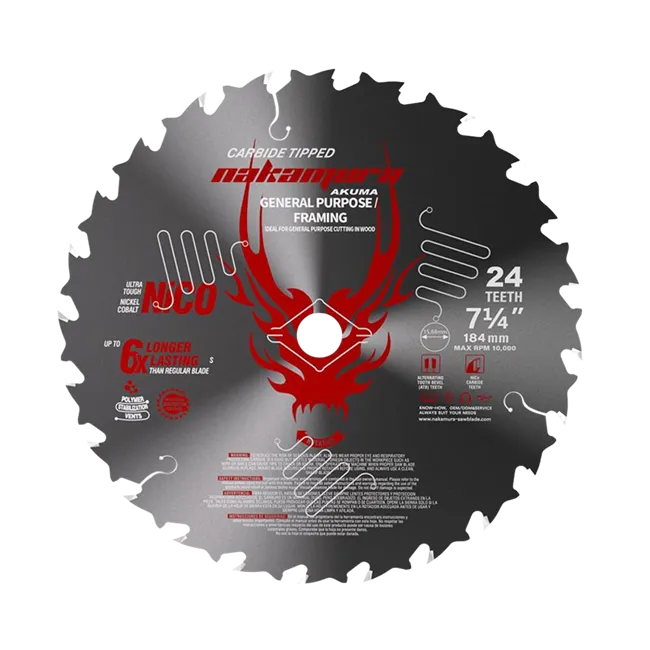
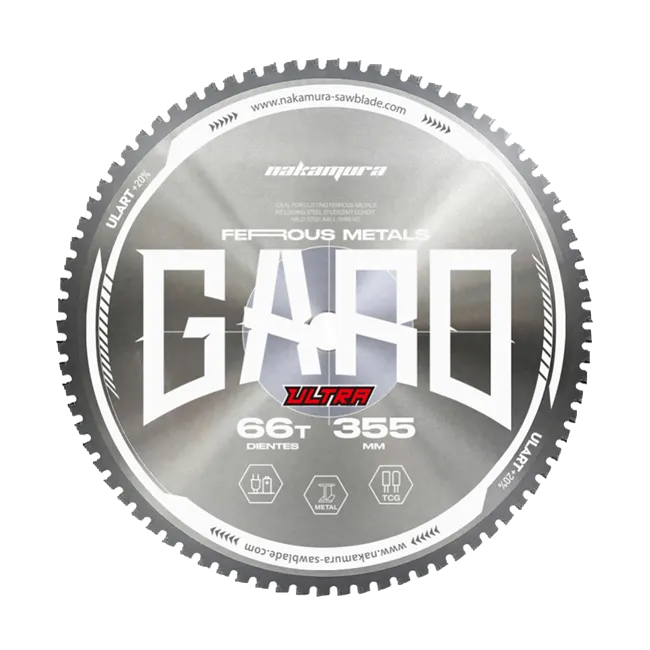
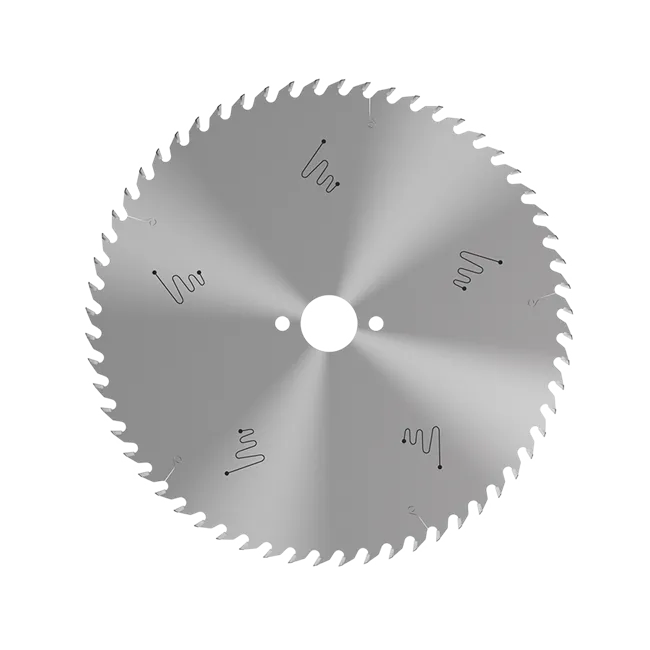
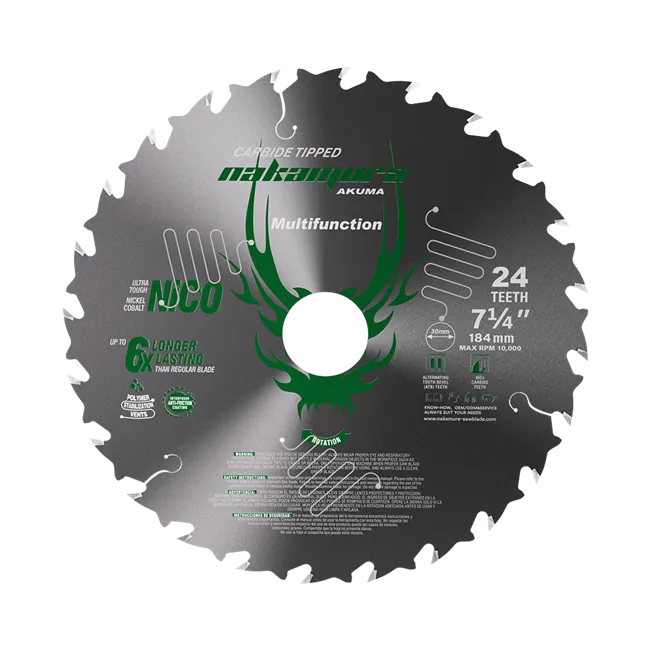

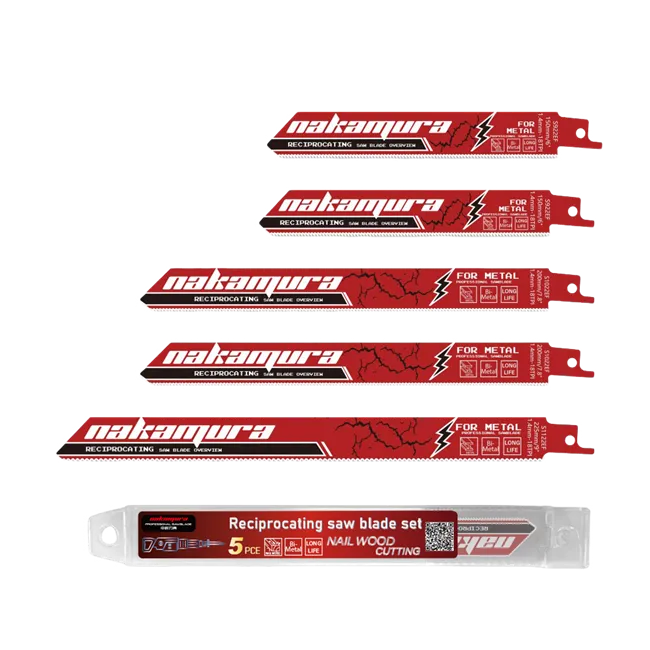
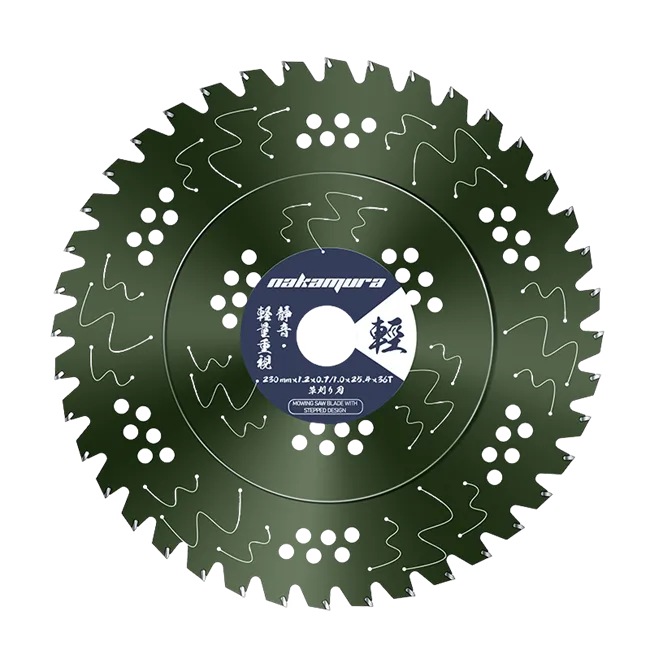
The gullet is the space between adjacent teeth on a circular saw blade. It helps remove chips and sawdust during cutting, affecting cutting efficiency, surface finish, and heat buildup. Choosing the right gullet size is essential for matching a blade to the material and application.
Small vs. Large Gullets
Small gullets are commonly found on blades with higher tooth counts, making them suitable for finer cuts in materials such as wood. However, insufficient chip space can lead to clogging and heat buildup when cutting thicker or harder materials.
Large gullets provide more space for chip removal, making them useful for applications that produce larger or longer chips, such as cutting aluminum. These blades often have fewer teeth and may deliver a rougher finish, depending on the tooth geometry and application.
Matching Gullet Size to the Material
Different materials require different chip-clearance capabilities:
Wood: Choose a blade with tooth geometry and gullet capacity suited to the wood type, thickness, and desired finish.
Aluminum: Adequate gullet space helps remove chips efficiently and reduce the risk of clogging.
Mixed materials: A suitable multipurpose blade balances chip clearance and cutting performance across the intended materials.
Thick materials and high-feed applications: Larger gullets may be needed to accommodate greater chip loads.
For general-purpose applications, a Multipurpose Saw Blade 190mm may be worth considering. For aluminum cutting, explore a Circular Saw Blade to Cut Aluminium or a 900mm Saw Blade for Aluminum, depending on the equipment and cutting requirements.


Other Factors That Affect Performance
Gullet size is only one part of blade design. Tooth count, tooth geometry, carbide grade, blade thickness, feed rate, and machine setup also influence cutting results.
An undersized gullet may struggle to clear chips at a high feed rate, while an unsuitable tooth configuration can compromise the finish. Consistent manufacturing and proper blade balance are also important for smooth operation and reduced vibration.
How to Choose the Right Saw Blade
Before selecting a carbide saw blade, consider:
The material and its thickness
The required cutting speed and surface finish
The blade diameter and tooth configuration
The machine's operating speed and feed rate
The chip-clearance requirements of the application
Conclusion
Gullet size plays an important role in chip removal, cutting efficiency, and heat management. Rather than choosing a blade by diameter or tooth count alone, consider the complete blade design and match it to your material and working conditions.
For help selecting a suitable circular saw blade for wood, aluminum, or multipurpose applications, contact the Nakamura team to discuss your requirements.