


PCD (polycrystalline diamond) saw blades are widely used for cutting abrasive materials such as MDF, laminated panels, particleboard, and certain non-ferrous metals. However, cutting performance depends not only on the diamond tips but also on tooth geometry, tooth count, hook angle, and gullet design.
1. Tooth Count and Material Thickness
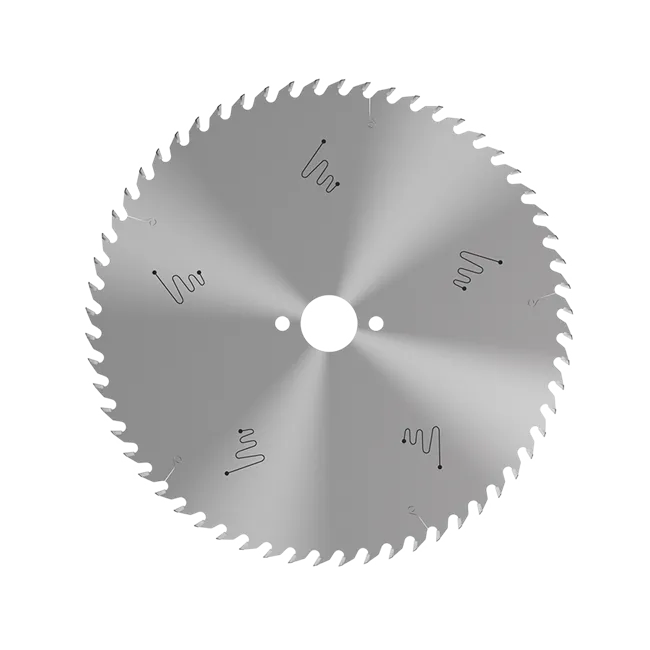
Tooth count affects cutting smoothness, chip clearance, and feed efficiency. Fewer teeth generally provide more space for chip removal, making them suitable for faster cuts and thicker materials. More teeth can produce smoother edges on thinner materials, depending on the blade design and application.
The ideal tooth count also depends on blade diameter, machine speed, feed rate, and material properties. Always select a blade based on the manufacturer's recommendations for your specific cutting task.
2. Hook Angle and Cutting Control
Hook angle influences how aggressively a tooth engages with the material.
Positive hook angle: Can support efficient cutting but may increase the tendency to pull material into the blade.
Low or negative hook angle: Often provides more controlled cutting and may be suitable for applications requiring reduced grabbing.
For laminated panels and other materials where edge quality matters, choose a blade designed for the material and machine rather than relying on hook angle alone.
3. Tooth Shape and Application
Different tooth geometries serve different purposes. Flat-top teeth are commonly used for efficient material removal, while alternate top bevel (ATB) teeth can help produce cleaner cuts in suitable wood-based materials. Trapezoidal or triple-chip designs may be used for abrasive panels and non-ferrous metals, depending on the blade specification.
For demanding panel-cutting applications, PCD Circular Saw Blades can be selected according to the material, required edge quality, and production conditions.
4. Why Gullet Design Matters
Gullets are the spaces between saw teeth that help accommodate and remove chips. Their size and shape should match the material, tooth count, and cutting conditions.
Insufficient chip space can contribute to chip accumulation, heat, and poor cutting performance. A suitable gullet design helps maintain efficient chip removal during operation.
5. Common Selection Mistakes
Choosing a blade based only on diameter or tooth count can lead to disappointing results. Before selecting a PCD blade, consider:
The material being cut and its abrasiveness
Material thickness and required edge quality
Blade diameter, bore, and machine compatibility
Feed rate, operating speed, and chip removal requirements
For aluminum and other non-ferrous metals, use a blade specifically designed for that material and follow the machine and blade manufacturer's operating recommendations.
For panel processing, a PCD Saw Blade for MDF may be worth considering, while a dedicated PCD Tipped Circular Saw Blades is a more appropriate starting point for aluminum-cutting applications.


How to Choose the Right PCD Saw Blade
There is no single tooth geometry suitable for every material and cutting task. The best choice depends on the combination of tooth design, blade specifications, machine conditions, and required finish.
Nakamura offers circular saw blade solutions for different cutting applications. Contact our team with your material, blade dimensions, machine specifications, and cutting requirements to discuss a suitable option.