


1. Five Common Reasons Why Saw Blades Fail Too Early
- Poor Cooling and Chip Removal
- Incorrect Feed Rate
- Wrong Blade Type or Tooth Geometry
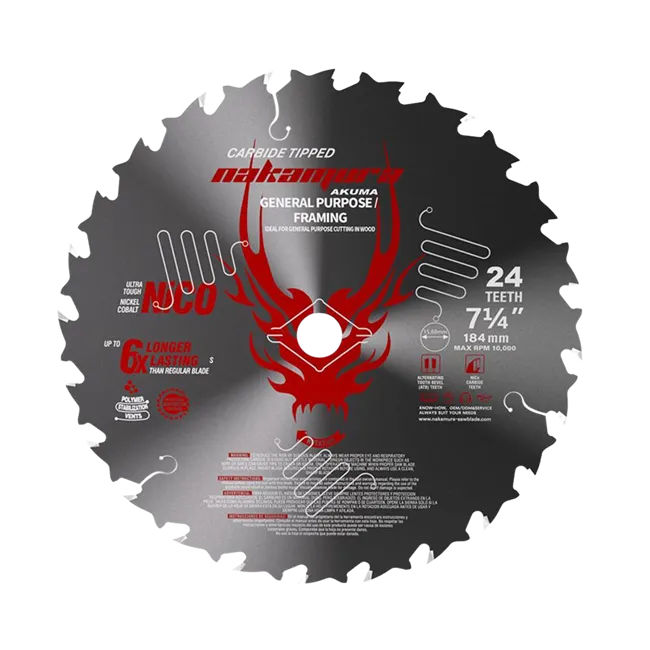
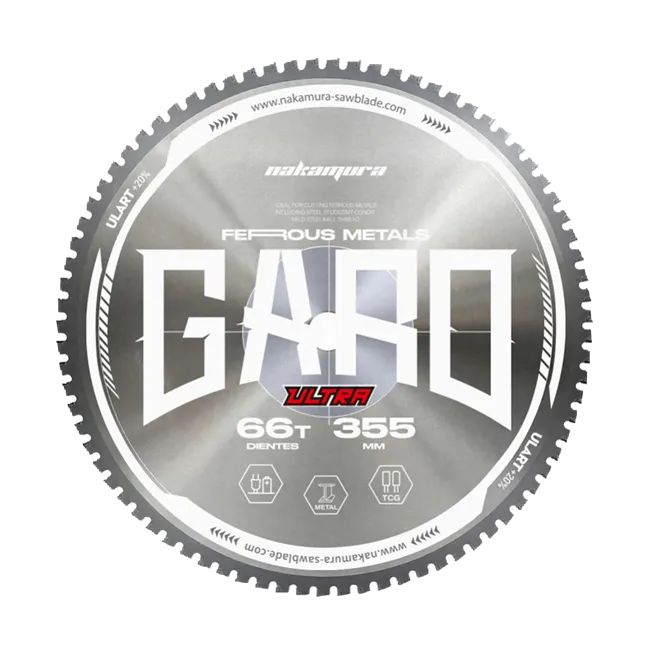
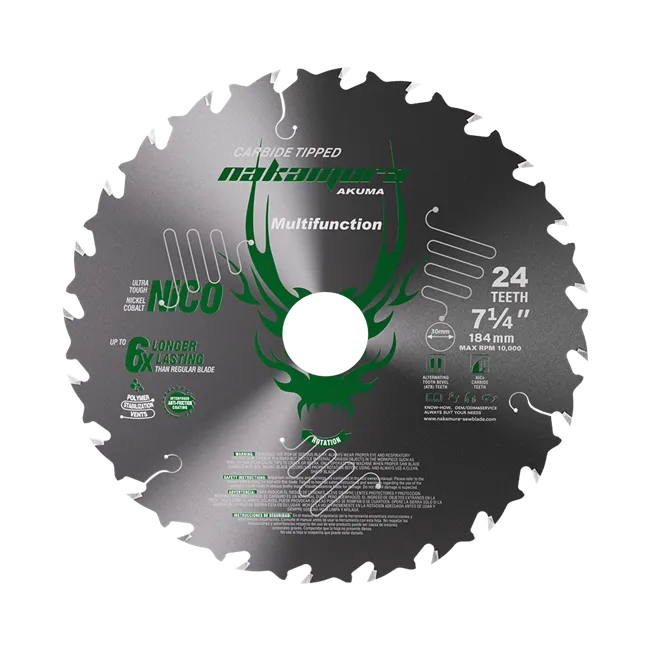
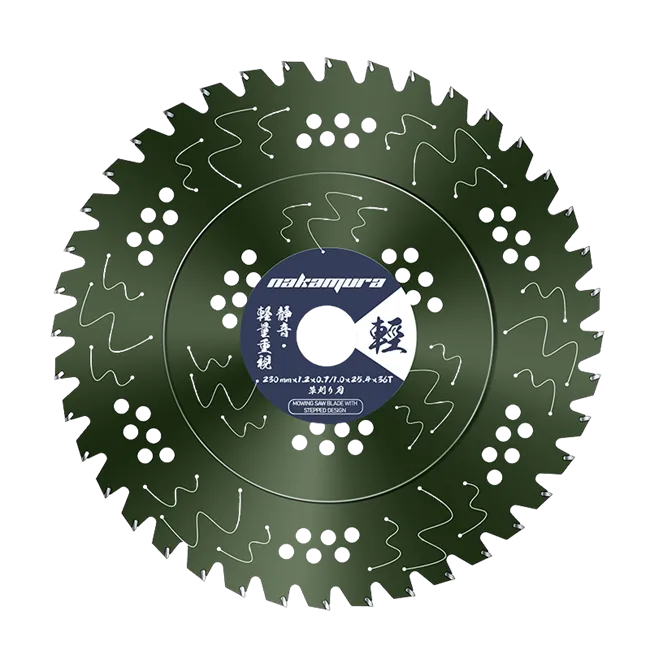
Wood cutting focuses more on chip removal and cut finish, while metal cutting requires better heat resistance, impact resistance, and tooth strength. Different materials require different blade designs. Choosing the proper Nakamura circular saw blades helps users get the intended performance from each blade.
- Resin, Glue, and Chip Build-Up
- Poor Storage and Handling
2. Five Practical Steps for Better Saw Blade Maintenance
- Inspect the Machine and Blade Before Use
- Set Cutting Parameters by Material
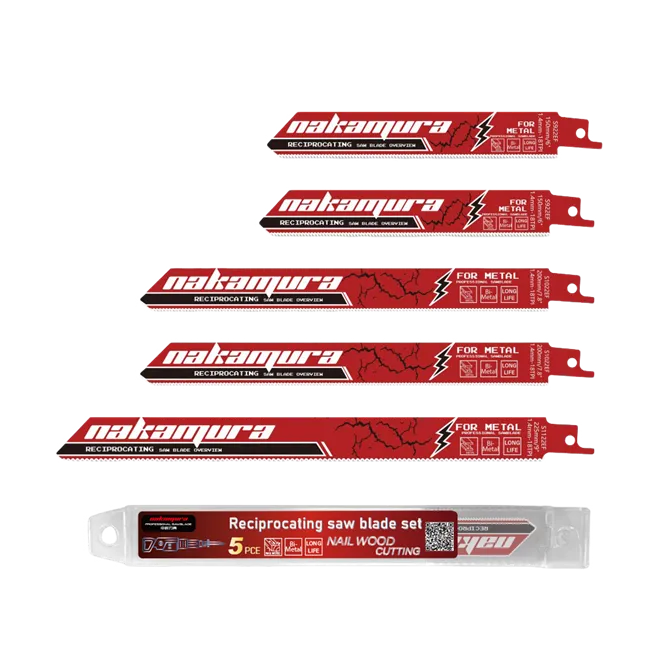
Different materials should not be cut with the same settings. Solid wood, plywood, MDF, aluminum profiles, stainless steel tubes, and angle steel require different speeds, feed rates, tooth counts, and cooling methods. For metal cutting applications, users should choose professional Nakamura metal cutting saw blades instead of replacing them with ordinary woodworking blades.
- Clean the Blade and Gullets Regularly
- Build a Blade Usage Record

3. Nakamura's Professional Maintenance Advice
Nakamura recommends that customers focus not only on blade price, but also on cost per cut. A low-cost blade that needs frequent replacement, produces unstable cuts, or slows down production may create a higher total cost. On the other hand, a quality blade used with proper maintenance, timely sharpening, and correct storage can provide a more stable service life.
In daily production, blade management can start from three points:
- First, classify blades by material and avoid using one blade for every job.
- Second, set cutting parameters according to working conditions to prevent overheating, overload, and dry friction.
- Third, clean, inspect, and sharpen blades on schedule to prevent small problems from becoming blade failure.
For distributors and OEM/ODM customers, blade maintenance content can also become part of after-sales support, helping end users reduce operating costs and improve brand trust.

4. Maintenance Is an Investment, Not a Cost
Many workshops record how many blades they buy, but they do not record how much each blade cuts, how many times it is sharpened, or why it fails. Without this information, it is difficult to understand the real cutting cost.
Scientific maintenance does more than extend blade life. It also reduces downtime, stabilizes cutting quality, lowers rework, and improves equipment safety. For industrial users, better blade management leads to more accurate purchasing decisions.
A good blade needs good maintenance. Nakamura provides not only saw blade products, but also practical cutting knowledge to help users get the best value from every blade.