


Where does the market growth come from?
- The first driver is construction and renovation. Residential buildings, commercial projects, and infrastructure development continue to increase demand for cutting tools used on wood, panels, profiles, and metal materials.
- The second driver is manufacturing upgrade. More factories are looking for higher efficiency, fewer rejected parts, and more consistent cutting quality. This is pushing circular saw blades from ordinary consumables toward higher-performance tools.
- The third driver is the wider use of advanced materials. Fiber cement boards, composite panels, aluminum profiles, and engineered wood are becoming more common. A single general blade can no longer meet all cutting needs.
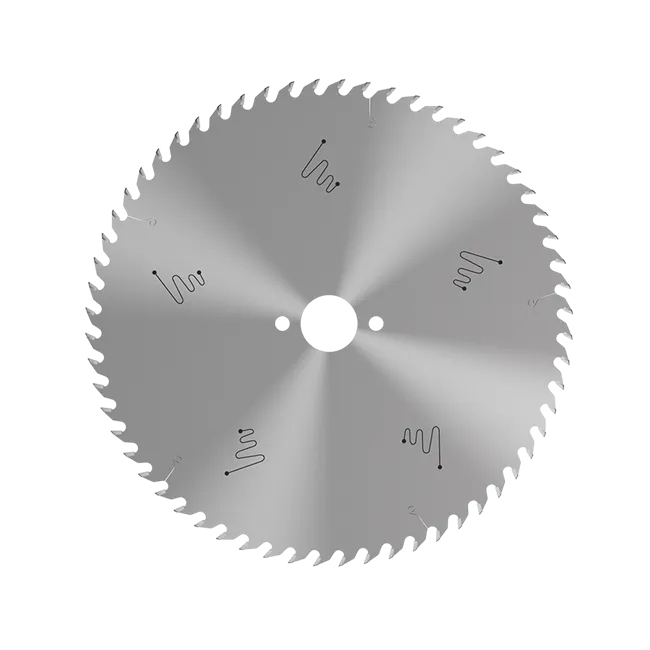
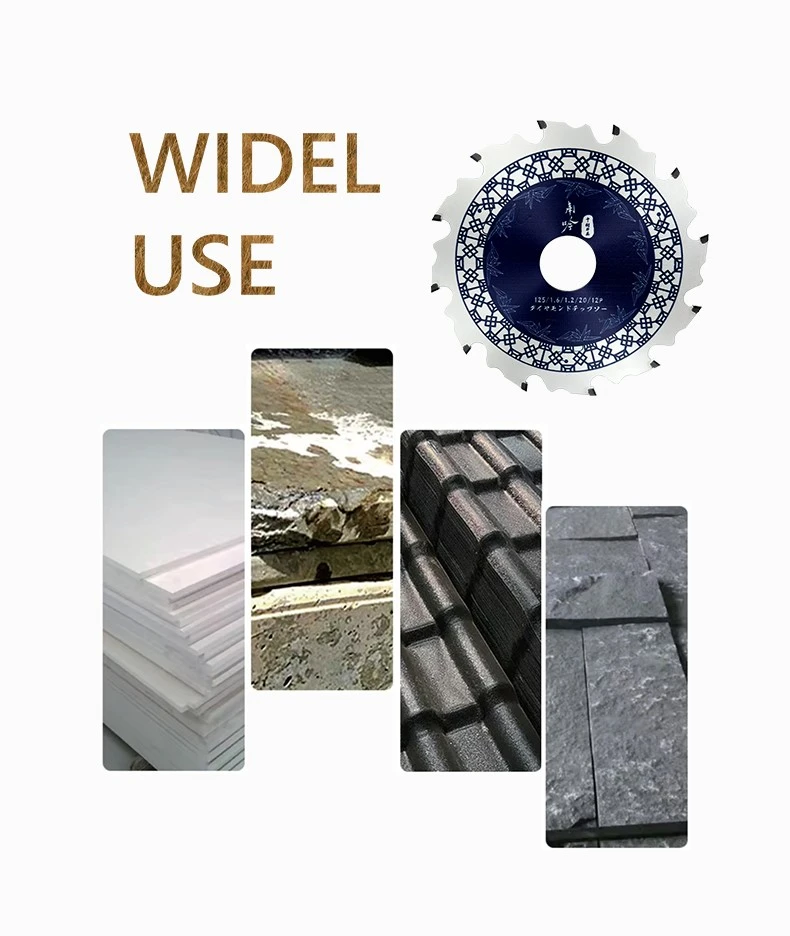
For abrasive material cutting, the Nakamura 10T PCD Cutting Blade is designed for cement exterior materials, ultra-hard synthetic fiber panels, stone slabs, and similar applications. It fits the market demand for longer-life and more wear-resistant blades.
Industry trend: from general cutting to material-specific solutions
In the coming years, the key trend in the circular saw blade market will not be only higher production volume. Product structure will matter more. Wear-resistant tips, heat-resistant coatings, vibration control, material-specific tooth geometry, and automated cutting systems will become important factors for buyers.
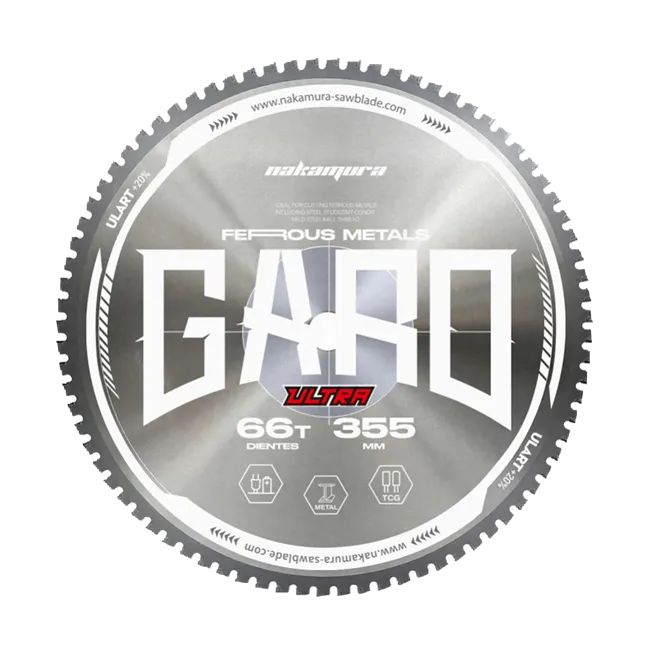
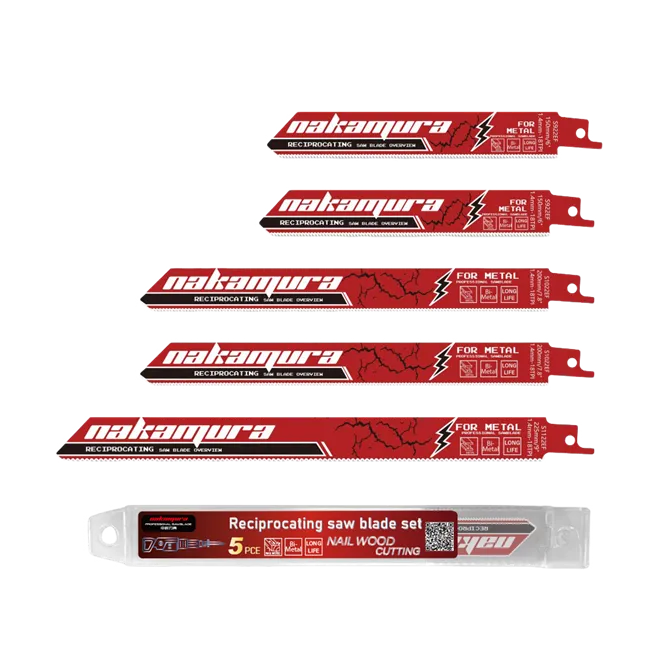
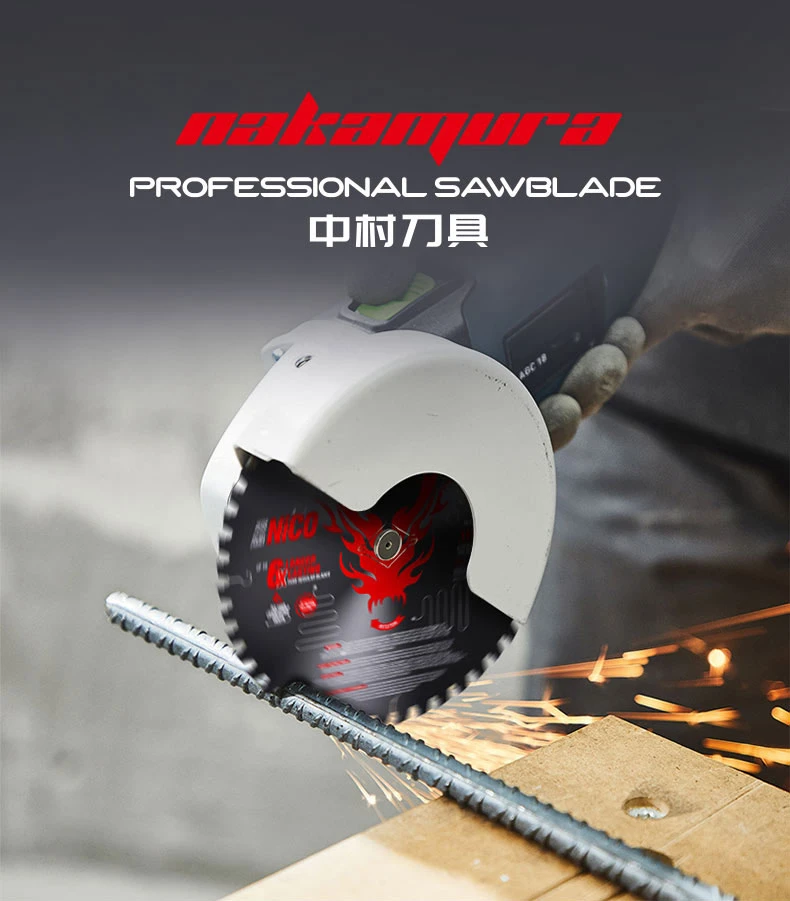
For metalworking customers, cutting speed, edge quality, and heat control are increasingly important. The Circular Saw Blade for Cutting Stainless Steel is developed for stainless steel and metal cutting applications, helping customers improve cutting efficiency and reduce burrs and heat damage compared with traditional abrasive cutting methods.
This also shows that the industry is shifting from "one blade cuts everything" to "the right blade for the right material."
How Nakamura captures the opportunity
Nakamura's growth strategy focuses on three directions.
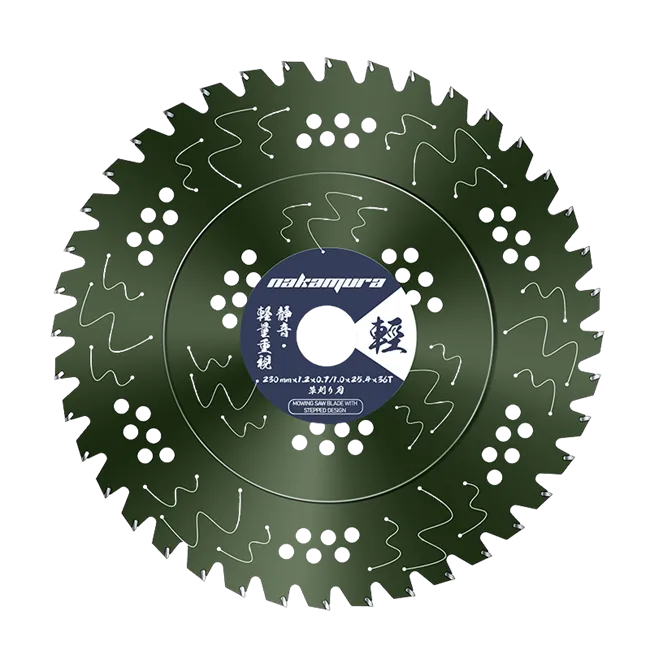
- First, the company will continue to strengthen high-performance products. PCD, TCT, metal cutting, vibration-control, and noise-reduction blade designs will help the brand compete in more demanding applications.
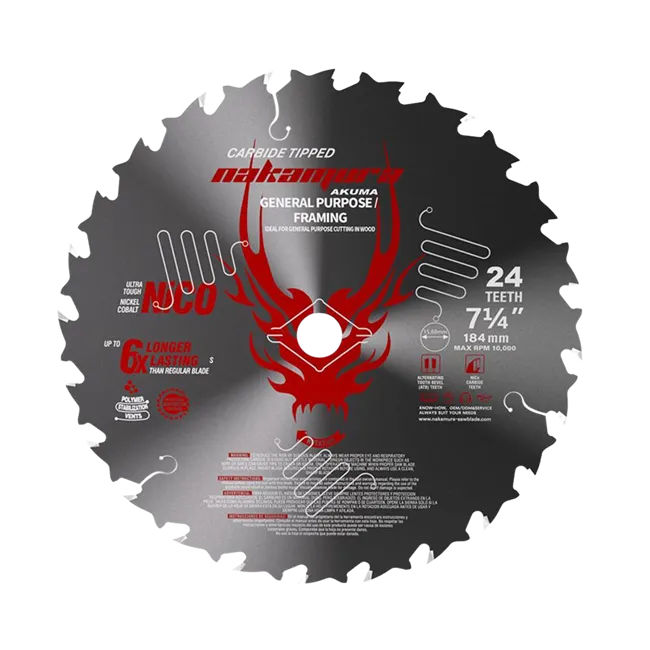
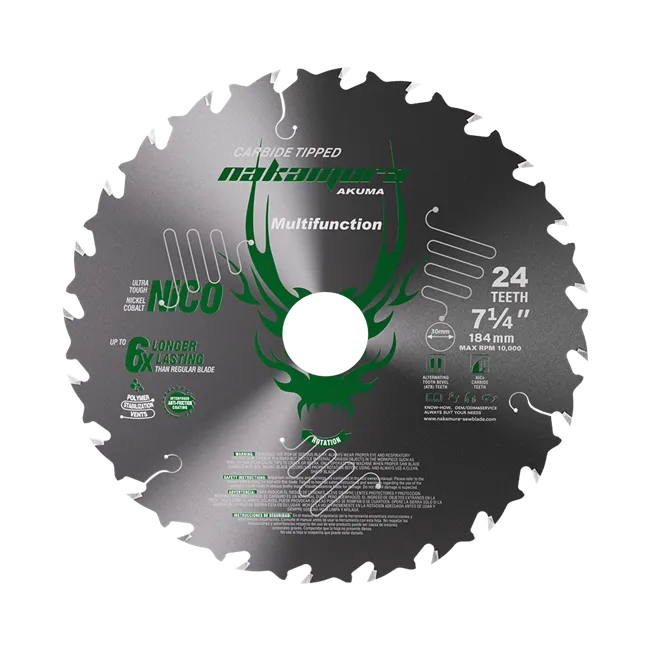
- Second, Nakamura will expand its multi-application product coverage. For distributors and private-label tool brands, the ability to source wood cutting, metal cutting, multi-purpose, and engineered-panel blades from one supplier can improve supply chain efficiency. Nakamura Multi Purpose Saw Blades are designed for construction jobsites, renovation work, tool distribution, and mixed-material cutting needs.
- Third, Nakamura will continue strengthening global market communication. Through international exhibitions such as Eisenwarenmesse and Canton Fair, the company can better understand different requirements for sizes, packaging, pricing, and OEM customization in Europe, North America, Southeast Asia, and the Middle East.
Looking ahead
In 2026, the global circular saw blades market is entering a new stage of structural growth. The opportunity does not only belong to manufacturers with large capacity. It also belongs to companies that understand material changes, application scenarios, and buyer needs.
Nakamura will continue to improve high-performance products, material-specific solutions, stable supply, and OEM/ODM service capabilities, providing more competitive precision cutting solutions for global customers.
Nakamura grows with global manufacturing and cuts the future with quality.