

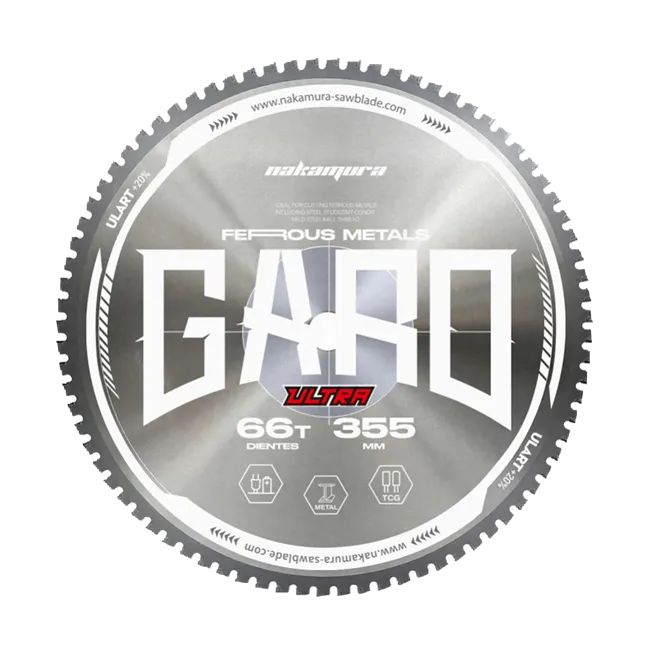

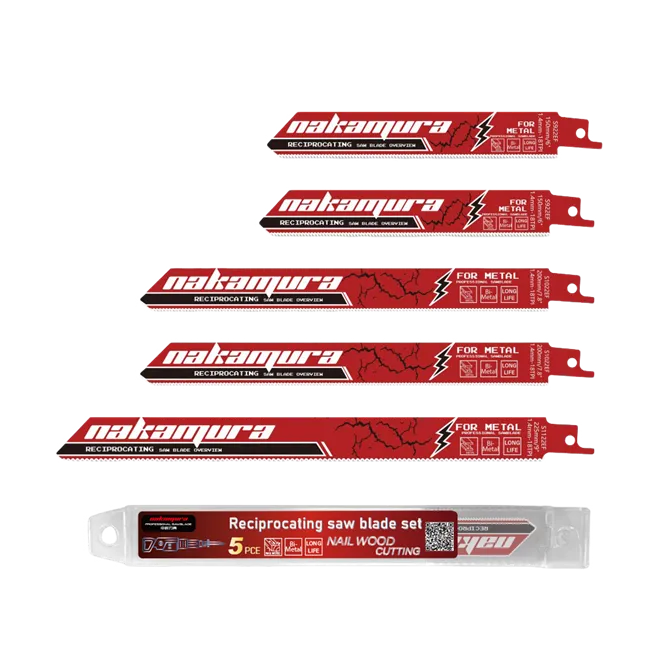

Steel cutting blades are designed specifically for cutting through tough materials like steel, whereas aluminum saw blades are made for softer metals like aluminum. But can you use a steel cutting blade on aluminum? The short answer is yes, you can use a steel cutting blade to cut aluminum. While it may be tempting to use the same blade for both steel and aluminum cutting tasks, there are certain risks and limitations that you should be aware of.
Steel cutting blades are typically designed to cut through harder materials such as steel, iron, and other metals. Using a steel cutting blade on aluminum can result in the blade becoming dull quickly, as aluminum is a softer metal in comparison. This can lead to inefficient cutting and potentially damage the blade over time. Using a steel cutting blade on aluminum can also pose safety risks. The blade may catch or bind on the softer aluminum material, causing kickback or other accidents. Steel cutting blades typically rotate at a higher speed than aluminum saw blades. This higher speed can cause the aluminum to heat up quickly, potentially leading to melting or warping of the material.

To overcome these challenges, there are a few things you can do. One option is to use a lubricant while cutting aluminum with a steel cutting blade. This can help reduce friction and heat build-up, resulting in a smoother cut. Another option is to use a slower cutting speed when using a steel cutting blade on aluminum. This can help prevent overheating of the material and result in a cleaner cut. It's also important to make sure that the blade is sharp and in good condition before attempting to cut aluminum. A dull blade can cause more friction and heat build-up, leading to a less-than-desirable result.
While it may be possible to use a steel cutting blade on aluminum in a pinch, it is not recommended for optimal results. To ensure efficient cutting, safety, and longevity of your cutting blades, it is best to use the appropriate blade for the material being cut.