



Diamond circular saw blades are widely used for cutting granite, marble, stone slabs and other hard and brittle materials. For stone-processing companies that perform continuous cutting operations, blade cutting efficiency, edge quality and service life can directly affect productivity and processing costs.
However, the performance of a diamond saw blade does not depend on the blade alone. The hardness, strength, abrasiveness, mineral composition and internal structure of the rock can also have a significant impact on cutting efficiency and segment wear.
A study published in Scientific Reports examined the cutting performance of a multi-blade circular saw when processing different types of granite. Nine granite types were tested, with particular attention given to the relationship between rock mechanical properties, abrasiveness and diamond segment wear.
The results indicated that parameters such as point load strength, uniaxial compressive strength, deformation characteristics, Cerchar Abrasivity Index (CAI) and Cerchar Hardness Index can influence cutting performance and segment wear.
Why Do Different Rocks Have Different Cutting Difficulties?
In practical stone processing, even two materials classified as granite can behave differently during cutting.
Rock is generally composed of multiple minerals, and differences in mineral hardness, grain size and distribution can affect the cutting process. Rocks containing a higher proportion of hard mineral particles may generate stronger abrasive effects on diamond segments and metal bonds.
Therefore, stone cutting is not simply about choosing a "harder" blade. The key is to achieve an appropriate match between the diamond abrasive, metal bond and material being cut.
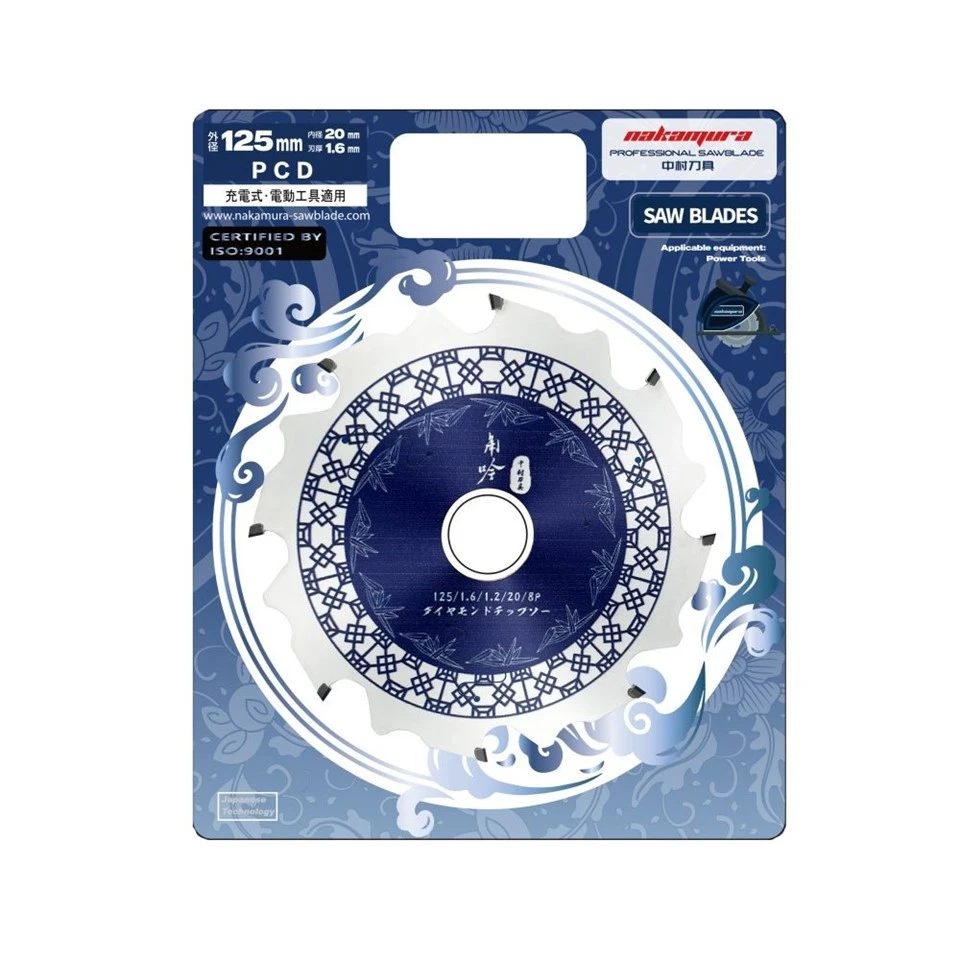
For stone slabs and certain highly abrasive or difficult-to-machine materials, the 10T PCD Cutting Blade uses a PCD cutting structure. According to the product information, it is designed for applications including ultra-hard synthetic fiber exterior materials, cement exterior materials and stone slabs. It represents one approach to using superhard cutting materials in demanding applications.
How Does Rock Hardness Affect Saw Blade Performance?
Rock hardness is one of the factors that determines cutting resistance.
When the material is particularly hard, the diamond particles are subjected to greater mechanical stress. If the segment structure is not properly matched to the material, problems such as reduced cutting speed, diamond glazing or abnormal wear may occur.
Ideally, the diamond particles gradually wear during cutting while the metal bond also wears at an appropriate rate, allowing fresh diamond cutting edges to become exposed. This balance helps maintain cutting sharpness while extending segment life.
This is why different stone-processing applications may require different diamond formulations and bond characteristics rather than relying on exactly the same segment design for every material.
Why Does Rock Abrasiveness Accelerate Segment Wear?
In addition to hardness, abrasiveness is another important factor affecting the service life of diamond cutting tools.
Hard mineral particles in highly abrasive rocks continuously act on the cutting segment and can accelerate wear of the metal bond. If the bond wears too quickly, diamond particles may be released prematurely. If the bond is too hard, worn diamond particles may remain trapped in the segment, resulting in glazing and reduced cutting efficiency.
Diamond tool design therefore needs to balance diamond retention, bond wear and the exposure of fresh cutting edges.
For abrasive board materials and selected stone-related applications, the 184mm Fiber Cement Board Blade uses a PCD-related cutting structure. Its listed applications include fiber cement board, mineral-based boards and selected stone-related materials. For these applications, blade design needs to consider not only cutting sharpness but also long-term wear and dust generation.
Why Is Blade Matching Especially Important for Multi-Blade Circular Saws?
Large-scale stone processing often uses multi-blade circular saw systems, where multiple blades operate simultaneously to produce continuous cuts.
In such systems, abnormal wear on an individual blade can affect overall cutting stability and production efficiency.
The multi-blade system examined in the research used circular saw blades with different diameters to process various granite types. The study showed that changes in rock mechanical properties and abrasiveness were associated with changes in cutting performance and diamond segment wear.
For multi-blade applications, blade selection therefore needs to consider several factors, including:
Rock hardness, Rock abrasiveness, Mineral composition, Cutting depth, Machine speed, Feed rate, Cooling conditions, Segment bond characteristics
Considering these factors together can help achieve more consistent cutting performance.
How Can PCD and Diamond Tools Address Different Materials?
As engineered materials and composite boards become more widely used, stone-processing applications are becoming increasingly diverse.
In addition to natural stone, stone slabs, fiber cement boards, mineral-based boards and other abrasive materials can place higher demands on cutting tools.
The PCD Circular Saw Blade uses PCD cutting tips and, according to the product information, is designed for applications including ultra-hard synthetic fiber exterior materials, cement exterior materials and stone slabs. PCD offers high hardness and wear resistance, making it valuable for certain high-wear and difficult-to-machine materials.
However, PCD should not be considered a universal solution for every type of stone. For natural hard rocks such as granite, the appropriate diamond segment and bond still need to be selected according to the specific rock properties, equipment and cutting conditions.
How Can Unnecessary Diamond Blade Wear Be Reduced?
Choosing the right blade is only the first step. Actual operating conditions also have a major influence on segment life.
First, machine speed and feed rate should be matched to the material being processed. Excessive feed pressure can increase cutting load, while inappropriate rotational speed can affect both cutting efficiency and segment wear.
Cooling and chip removal are also important. Wet cutting can help reduce heat in the cutting zone while removing some stone dust and debris, helping maintain a more suitable working environment for the cutting segments.
If a blade begins to show reduced cutting speed, excessive glazing or unusually rapid wear, the material characteristics, machine settings and blade selection should be checked rather than assuming that the blade itself is simply of poor quality.
From Blade Selection to Complete Cutting-System Matching
Modern stone processing increasingly focuses on productivity, cutting stability and overall cost per cut.
Research has shown that the mechanical properties and abrasiveness of rock can significantly affect diamond segment wear and cutting performance. This means that diamond tool design cannot be separated from the characteristics of the material being processed.
Future stone-cutting technology will place increasing emphasis on the interaction between rock properties, diamond abrasives, metal-bond systems and machine parameters.
For stone-processing companies, tool distributors and diamond-tool buyers, blade selection should therefore go beyond the initial purchase price. Cutting speed, segment life, finished quality and total cost per cut should all be considered.
NAKAMURA continues to develop diamond, PCD and other professional cutting tools while supporting customized solutions based on different materials, machines and processing requirements. By matching cutting structures, materials and operating parameters, users can select more suitable solutions for different cutting environments.