

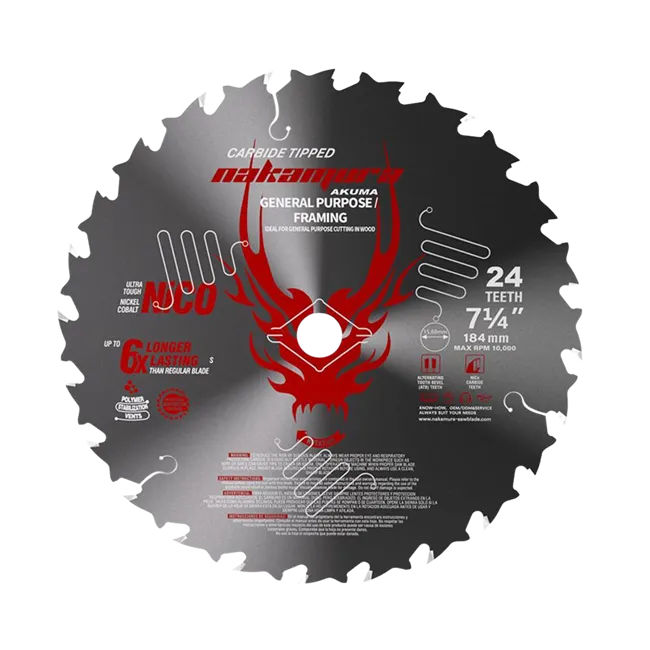
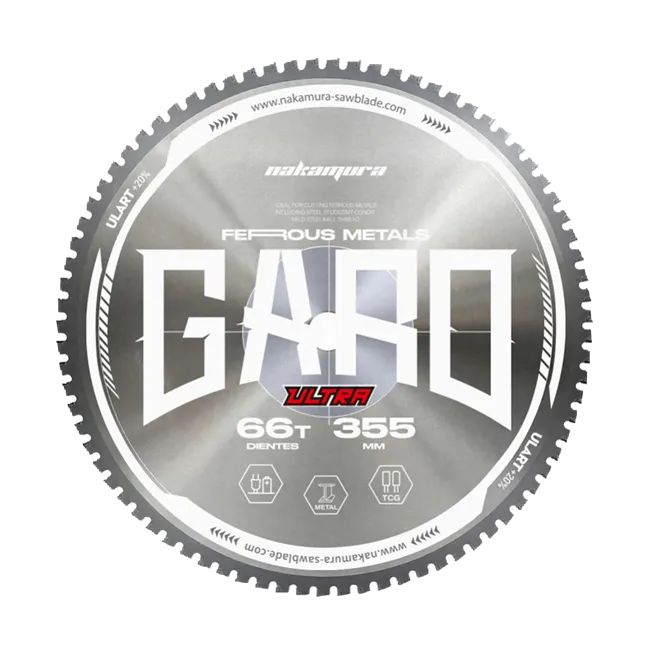
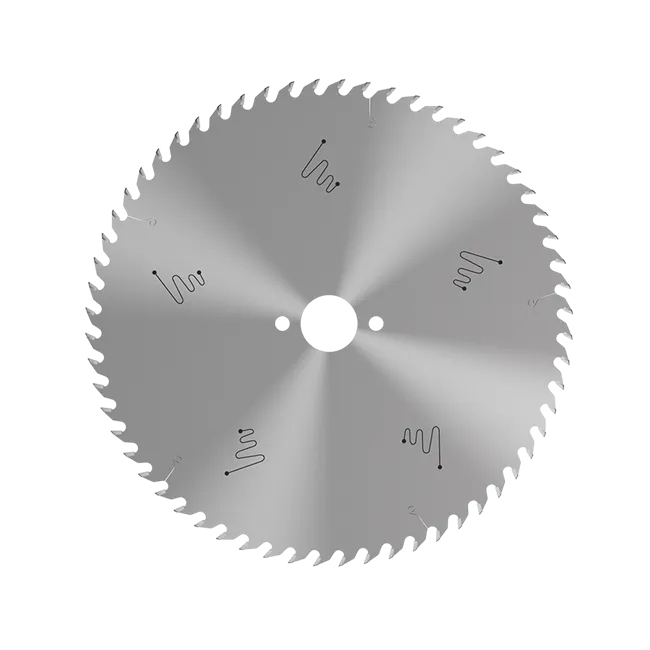
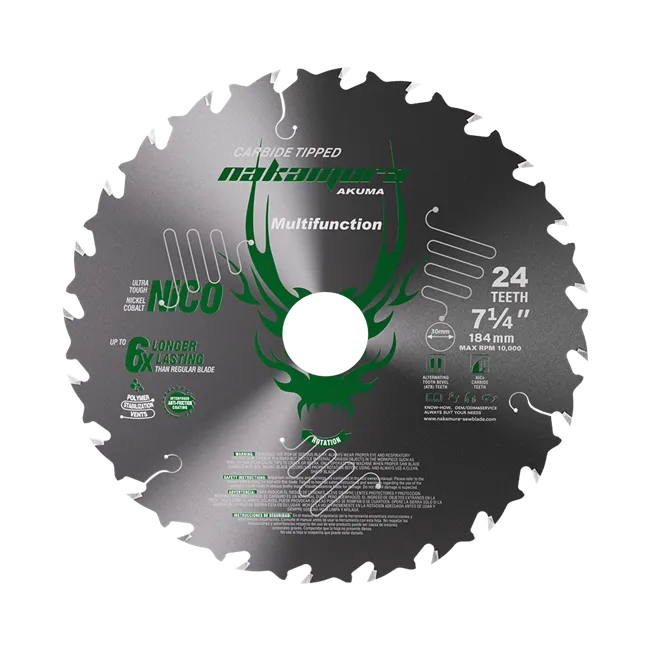

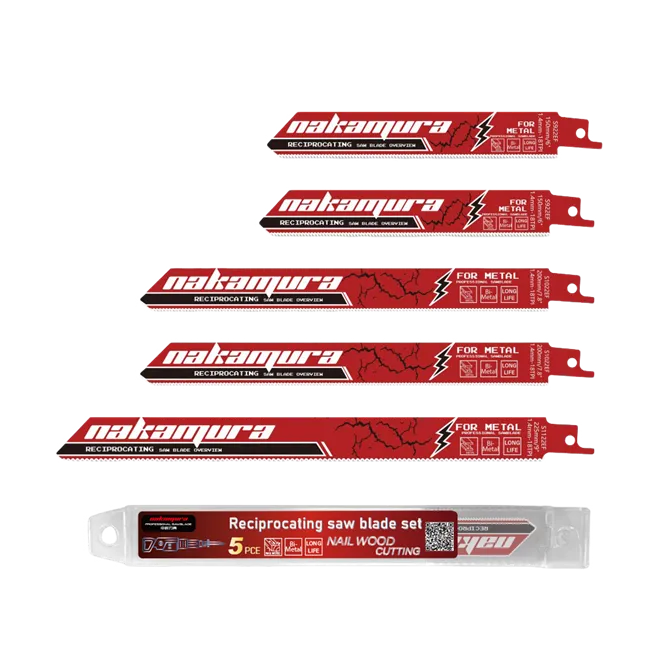
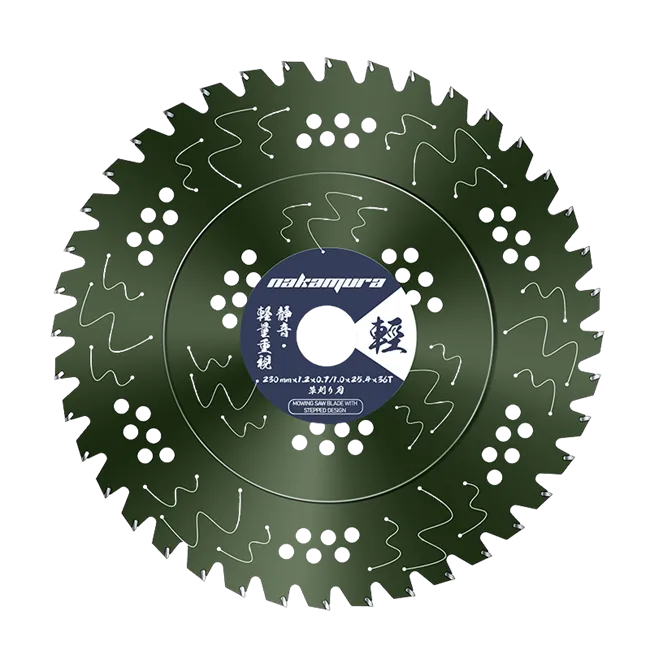
Carbide circular saw blades are used in various sawing machines such as panel saws, electronic saws, reciprocating saws, sliding table saws, single-blade saws, or multi-blade saws. Below provides a detailed introduction to the correct usage of carbide circular saw blades.
Nakamura understands that correct selection and usage are the cornerstones for unleashing a blade's ultimate performance, ensuring safety, and maximizing its lifespan. We not only supply premium blades but also strive to be your professional consultant in cutting processes.

I. Requirements for Using Carbide Circular Saw Blades:
Basic Data:
Machine spindle speed.
Thickness and material of the workpiece to be processed.
Blade outer diameter size and bore diameter (shaft diameter).
Selection Criteria:
Calculate the cutting speed based on the spindle speed and the intended matching blade outer diameter: ( V = \pi \times \text{Outer Diameter } D \times \text{Speed } N / 60 ) (meters/second).
Reasonable cutting speeds typically range from 60 to 90 m/s.
Excessively high cutting speeds can cause machine vibration, increased noise, reduced blade stability, and poorer processing quality.
Excessively low cutting speeds reduce productivity and increase the cutting load per tooth, affecting processing quality and blade lifespan.
Since blade diameter ( D ) and spindle speed ( N ) have a power function relationship, in practice, reasonably increasing the speed while reducing the blade diameter is the most economical approach.
Nakamura provides professional selection calculation support and online selection tools to help you precisely match equipment parameters with processing needs, finding the optimal "sweet spot" for cost-effectiveness, and avoiding performance loss or safety hazards due to improper selection.
II. Personnel and Environmental Requirements for Using Carbide Circular Saw Blades:
Select the appropriate saw blade according to the equipment's design specifications.
The equipment must be equipped with safety protection devices, such as protective covers, power-off brakes, and overload protection.
Installation and operation should be performed by professional personnel wearing appropriate work attire, protective goggles, ear protection, etc.
Operators should not wear gloves, keep long hair tucked under a work cap, and avoid loose neckties or sleeves to prevent accidents.
Keep away from fire sources and humid environments.
Safety is paramount. Nakamura not only focuses on safety details in product design but also provides customers with comprehensive safe operation guidelines and training materials, working with you to build a safe working environment.
III. Equipment Requirements for Using Carbide Circular Saw Blades:
The equipment must be in good condition, with a stable spindle free from deformation or radial runout, securely installed, and free from vibration.
Inspect the saw blade for damage, ensure tooth integrity, check for a flat and smooth blade surface, and look for any abnormalities to ensure safe use.
During assembly, ensure the blade's arrow direction matches the equipment spindle's rotation direction.
When installing the blade, keep the shaft center, chuck, and flanges clean. The flange inner diameter must match the blade inner diameter to ensure tight contact. Install positioning pins and tighten nuts securely. Flanges should be appropriately sized, with an outer diameter no less than one-third of the blade diameter.
Before starting the equipment, ensure safety and operate the machine alone. Perform a jog test to check the rotation direction, vibration, and ensure proper blade installation. Run the blade idle for a few minutes to confirm no slipping, swinging, or bouncing before starting work.
Nakamura blades undergo strict dynamic balancing and tension correction before leaving the factory, ensuring smooth operation at high speeds. We recommend and support customers in performing regular inspection and maintenance of equipment spindles and flanges, which is a critical prerequisite for ensuring cutting precision and blade longevity.
IV. Operational Requirements for Carbide Circular Saw Blades:
During operation, ensure the workpiece is securely fixed and positioned according to the cutting direction to avoid abnormal engagement. Avoid applying lateral pressure or performing curved cuts. Feed steadily to prevent blade impact on the workpiece, which could cause blade breakage, workpiece ejection, or accidents.
If abnormal sounds, vibrations, rough cutting surfaces, or unusual odors occur during operation, stop immediately. Inspect and troubleshoot to prevent accidents.
Avoid feeding too quickly when starting or stopping cuts to prevent tooth breakage or blade damage.
When cutting aluminum or other metals, use dedicated cooling lubricant to prevent blade overheating, tooth gumming, and other damage that could affect cutting quality.
Ensure the equipment's chip removal chute and slag suction device are clear to prevent slag buildup, which could affect productivity and safety.
For dry cutting, avoid prolonged continuous cutting to preserve blade lifespan and cutting effectiveness. For wet cutting, ensure water is used and guard against electric leakage.
For different machining materials (Like aluminum alloys, composites, high-density boards), Nakamura offers specific tooth geometry designs, coating selections, and cooling lubrication solution recommendations, aiming to maximize cutting efficiency and surface quality while extending blade life.

V. Maintenance Requirements for Carbide Circular Saw Blades:
If the saw blade is not used immediately, store it flat or hang it using its inner bore. Avoid stacking items on flat-stored blades or stepping on them. Protect against moisture and corrosion.
Sharpen the blade promptly when it becomes dull or produces rough cuts. Resharpening must not alter the original angles and must include dynamic balancing correction.
Inner diameter adjustments or positioning hole processing must be performed by the manufacturer. Improper processing can affect performance and pose risks. Enlarging the bore should generally not exceed 20 mm beyond the original diameter to avoid disrupting stress balance.
Nakamura strongly recommends sending blades to our authorized professional resharpening service centers. Using original factory data, dedicated CNC grinding machines, and grinding wheels, we ensure every resharpening accurately restores the blade's original geometry and performance, followed by post-sharpening dynamic balance testing. This is fundamental to maintaining the quality of the blade's "second life." Unprofessional sharpening is a primary cause of rapid performance degradation and premature blade failure.
VI. Requirements for Selecting Grinding Wheels for Carbide Circular Saw Blades:
Resin-bonded diamond grinding wheels: Lower bond strength provides good self-sharpening, resistance to clogging, high grinding efficiency, low grinding force, and low grinding temperature. Disadvantages include poor wear resistance, high tool wear, and unsuitability for heavy-load grinding.
Ceramic-bonded diamond grinding wheels: Better wear resistance and bonding capability than resin-bonded wheels. They offer sharp cutting, high grinding efficiency, minimal heat generation and clogging, low thermal expansion, and ease of precision control. Disadvantages include rougher grinding surfaces and higher cost.
Metal-bonded diamond grinding wheels: High bond strength, excellent wear resistance, low wear rate, long lifespan, low grinding cost, and ability to handle heavy loads. Disadvantages include poor sharpness and susceptibility to clogging.
Abrasive grain size: Affects wheel clogging and cutting volume. Coarse grains have deeper penetration but higher wear, while fine grains are more prone to clogging.
Wheel hardness: Harder wheels have higher thermal conductivity, which is less favorable for surface heat dissipation but beneficial for precision and durability.
Wheel concentration: A critical characteristic impacting grinding efficiency and processing costs. Too low concentration reduces efficiency, while too high causes grain shedding. Optimal concentration balances performance.
This again underscores the importance of professional resharpening. Nakamura authorized resharpening centers strictly select the most suitable grinding wheel type, grit size, and process parameters based on the blade's material, tooth geometry, and wear condition, ensuring optimal resharpening results-far beyond ordinary sharpening services.
Choosing Nakamura means you acquire not just a high-quality carbide circular saw blade, but a full-cycle cutting solution encompassing precise selection, correct installation, safe operation, professional maintenance, and scientific resharpening. With our expertise and reliable service, we empower you to enhance cutting efficiency, ensure operational safety, and achieve lower long-term operating costs.