


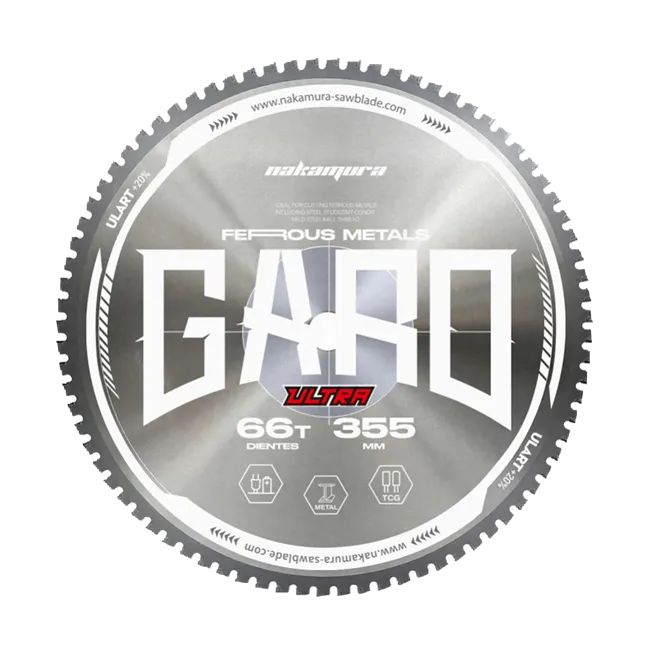
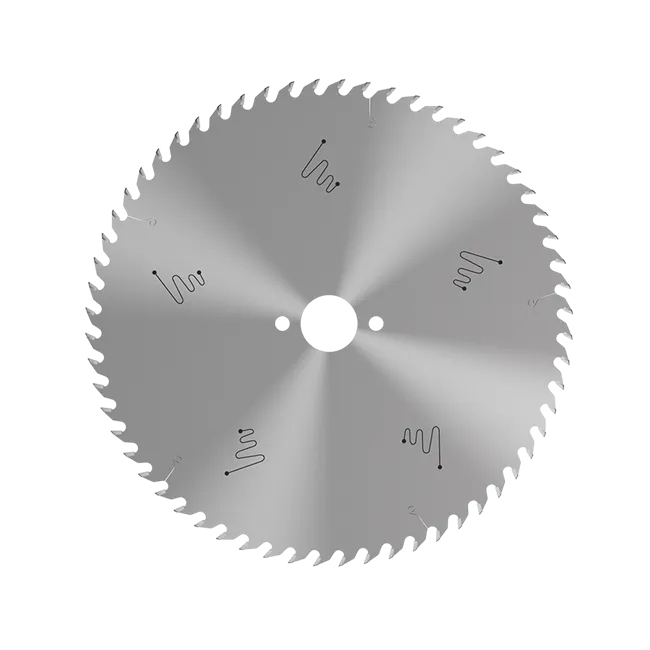


Basic knowledge of machine tools: Tungsten carbide saw blades include tooth shape, angle, number of teeth, saw blade thickness, saw blade diameter, cemented carbide type and other parameters, which determine the processing ability and cutting performance of the saw blade. When selecting a saw blade, it is necessary to select the correct saw blade parameters according to your needs. Tooth shape, commonly used tooth shapes are flat teeth, barium teeth, trapezoidal teeth, inverted trapezoidal teeth, etc. Flat teeth are the most widely used, mainly used for sawing ordinary wood, this tooth shape is relatively simple, the saw edge is relatively rough, and the flat teeth can make the bottom of the groove smooth during the operation of the slotting process. The quality of the sawing edge is relatively good, and it is suitable for sawing all kinds of wood-based panels and veneers. The trapezoidal teeth are suitable for sawing veneers and fireproof boards, and can obtain high sawing quality. Inverted trapezoidal teeth are often used for groove saw blades.
The angle of the sawtooth is the position of the sawtooth at the time of cutting. The angle of the serration affects the performance of the cut. The biggest influence on the cutting is the rake angle γ, the rear angle α, and the wedge angle β. The rake angle γ is the cutting angle of the serration, the larger the rake angle, the lighter the cutting, and the rake angle is generally between 10-15°. The rear angle is the angle between the serration and the machined surface, and its function is to prevent the friction between the serration and the machined surface. The rear angle of the carbide saw blade is generally 15°. The wedge angle is derived from the front and back angles. However, the wedge angle should not be too small, it plays a role in maintaining the strength, heat dissipation and durability of the teeth. The sum of the front angle γ, the rear angle α, and the wedge angle β is equal to 90°.
The number of teeth of the sawtooth, generally speaking, the more teeth and the more cutting edges are cut in the unit time, the better the cutting performance, but the number of cutting teeth is more and the number of cemented carbide is large, and the price of the saw blade is higher, but the sawtooth is too dense, and the chip capacity between the teeth becomes smaller, which is easy to cause the saw blade to heat up; In addition, there are too many serrations, and when the feed is not properly matched, the cutting amount of each tooth is very small, which will aggravate the friction between the cutting edge and the workpiece, and affect the service life of the cutting edge. Usually the tooth spacing is 15-25mm, and a reasonable number of teeth should be selected according to the sawing material.
The thickness of the saw blade Theoretically, we want the blade to be as thin as possible, and the saw seam is actually a drain. The thickness of the saw blade is determined by the material of the saw blade and the process of manufacturing the saw blade with tungsten carbide saw blades. When choosing the thickness of the saw blade, the stability of the saw blade and the material of the sawing should be considered.
The diameter of the saw blade is related to the sawing equipment used and the thickness of the sawed workpiece. The diameter of the saw blade is small, and the cutting speed is relatively low; The large diameter of the saw blade requires high requirements for the saw blade and sawing equipment, and the sawing efficiency is also high.
A series of parameters such as tooth shape, angle, number of teeth, thickness, diameter, and cemented carbide type are combined into the whole of the cemented carbide saw blade, which should be reasonably selected and matched in order to better play its advantages.