


Window and door manufacturing involves cutting a wide range of materials - aluminum profiles, wood, PVC, steel, and more. Each material places distinctly different demands on saw blades, and choosing the right blade is key to ensuring window and door quality.
I. Cutting Scenarios in Window & Door Manufacturing
- Aluminum Profile Cutting. The mainstream material for window and door frames. Cutting aluminum tends to cause chip adhesion and heat buildup, requiring large chip gullets and anti-stick coatings.
- Wood Cutting. Solid wood windows and wood-aluminum composite windows require high precision and clean cut surfaces, minimizing chipping and subsequent sanding.
- PVC Profile Cutting. PVC is a thermoplastic material that is sensitive to frictional heat during cutting, often resulting in melted edges, burrs, or tooth adhesion. Clean, low-heat cutting is essential.
- Steel Cutting. Steel doors, windows, and fire-rated doors require high-strength, heat-resistant blades that balance cutting efficiency with tip durability.
II. Saw Blade Matching for Different Materials
In window and door manufacturing, the blade selection logic for different materials is as follows:
- Aluminum Profiles - Carbide-tipped blades with coarse tooth count recommended. Key requirements: anti-stick coating and good heat dissipation, with tooth geometry optimized for aluminum
- Solid Wood - Carbide-tipped blades with fine tooth count recommended. Key requirements: clean cut surface, no chipping, with aggressive hook angle for smoother feeding

- PVC Profiles - Plastic-specific carbide-tipped blades recommended. Key requirements: clean cutting, no burrs; tooth geometry and coating matter more than tip hardness alone
- Steel - Cermet-tipped saw blades or steel-specific circular saw blades recommended. Key requirements: high strength and durability, suitable for high-speed metal cutting.
III. Nakamura's Window & Door Manufacturing Solutions
Nakamura offers a professional saw blade product line covering all materials used in window and door manufacturing:
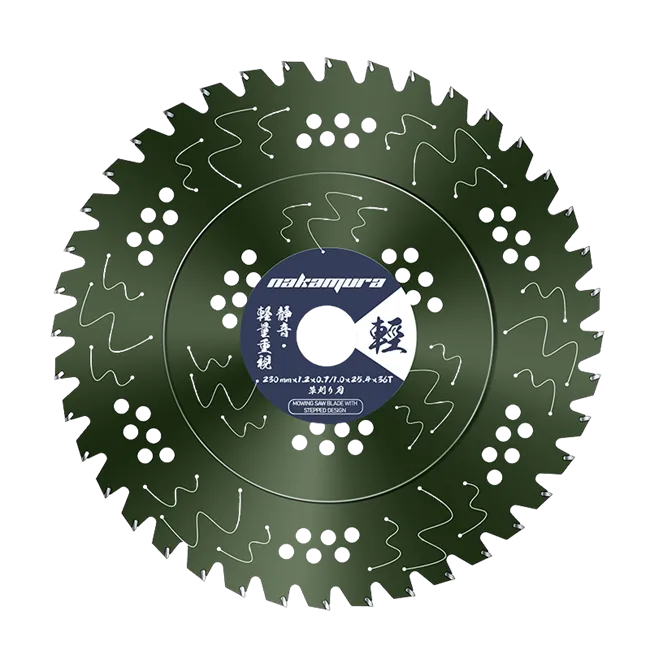
- Circular Saw Blades. Delivering smooth and precise cutting across various materials, suitable for aluminum, wood, PVC, steel, and more.
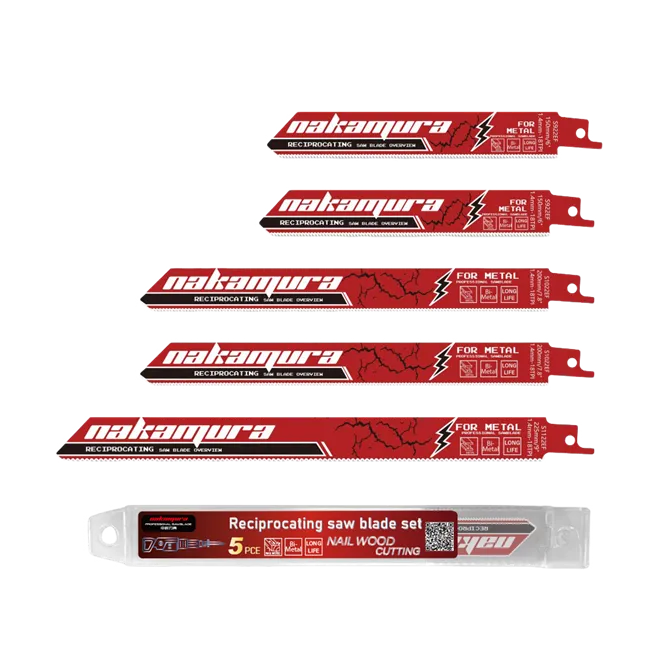
- Reciprocating Saw Blades. Suitable for heavy-duty cutting of steel, as well as on-site demolition and trimming during window and door installation.
Product Recommendations
Nakamura combines professional saw blade manufacturing expertise with the specific needs of the window and door industry, delivering blades for core application scenarios:
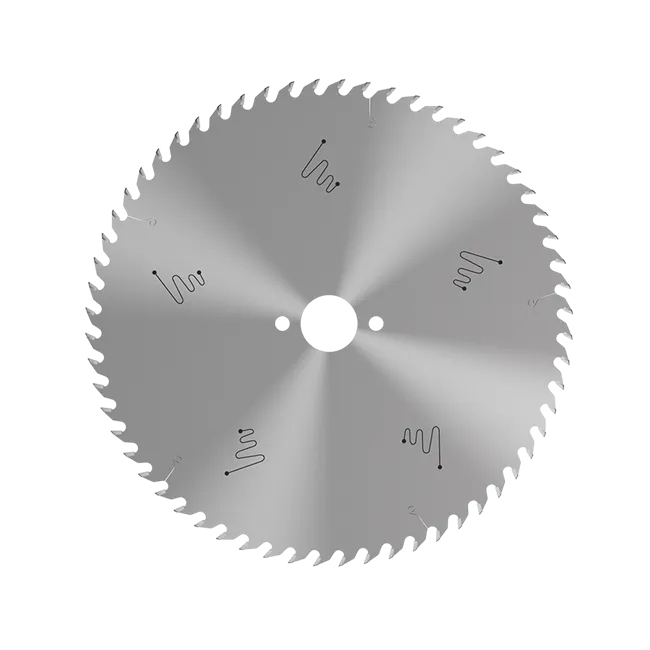
- Circular Saw Blade To Cut Aluminium - Designed specifically for aluminum window/door frames and industrial aluminum profiles. Features a non-stick coating to reduce chip adhesion, cooling slots for heat management, and heat-resistant carbide tips. Particularly suitable for dry-cutting or minimal-lube job site conditions.
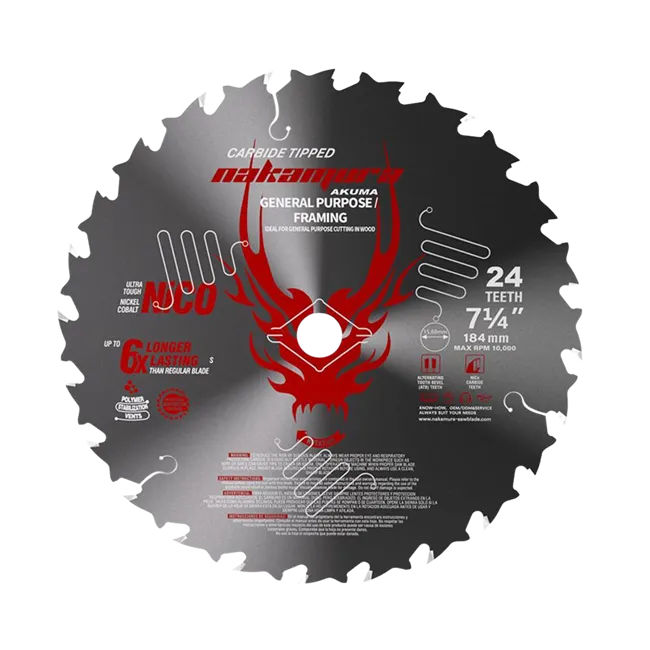
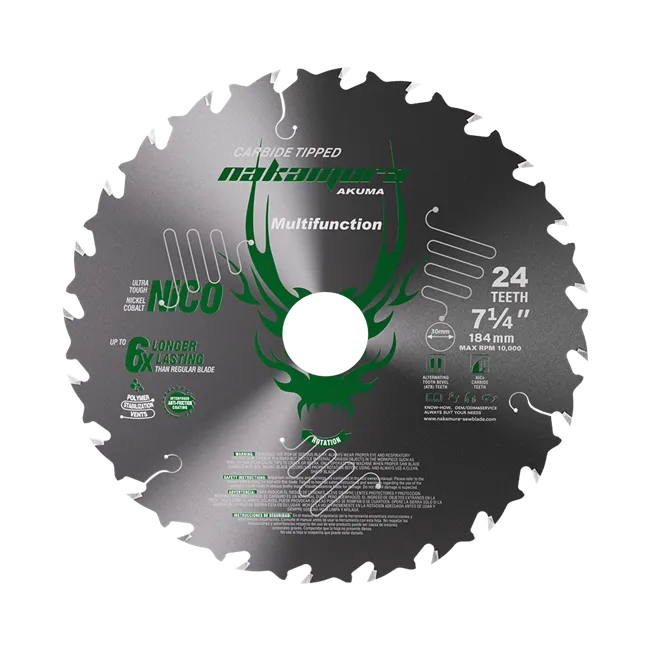
- 6-1/2 Woodworking Frame Saw Blades - Designed for custom cabinetry, window frames, and panel cutting. Aggressive hook-angle carbide teeth enable smoother feeding, delivering a clean cut surface with minimal chipping and reduced post-processing sanding. Suitable for plywood, MDF, laminated boards, hardwoods, and more.

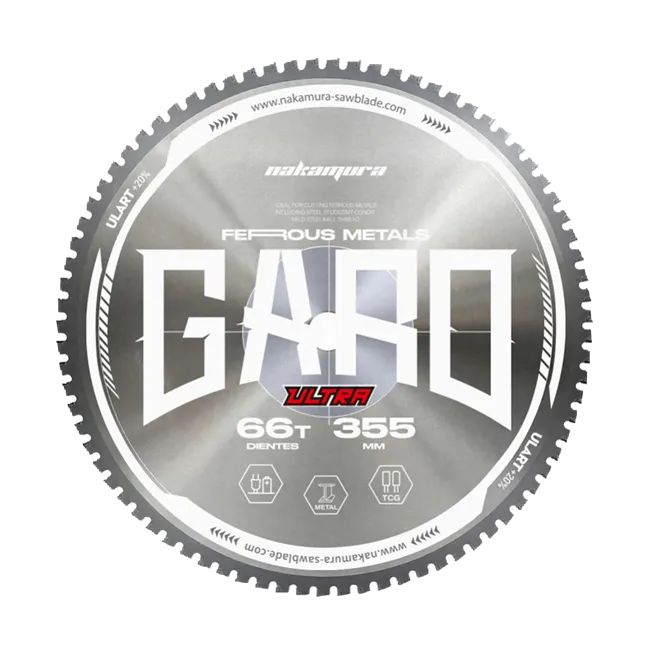
- Cermet Tipped Saw Blades - Cermet tips combine the high hardness of ceramics with the toughness of metals, maintaining sharpness and durability in high-speed metal cutting. Delivers clean cuts with fewer burrs. Suitable for steel window/door frames, structural steel, and pipe cutting.
IV. Industry Value
In window and door manufacturing, cut quality directly affects sealing performance, aesthetics, and service life. A poor cut compromises subsequent framing, welding, and sealing processes. Nakamura saw blades provide professional cutting solutions to help window and door manufacturers elevate product quality.
Nakamura - Precision cutting assurance for window and door manufacturing.