


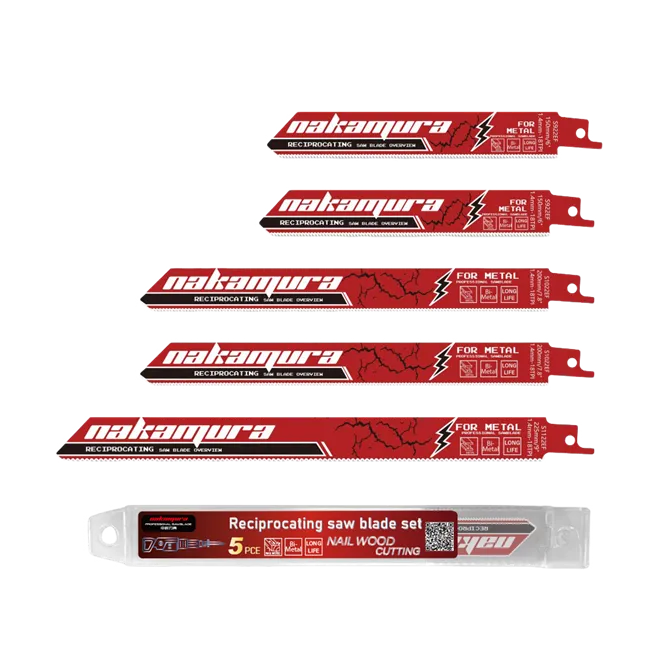
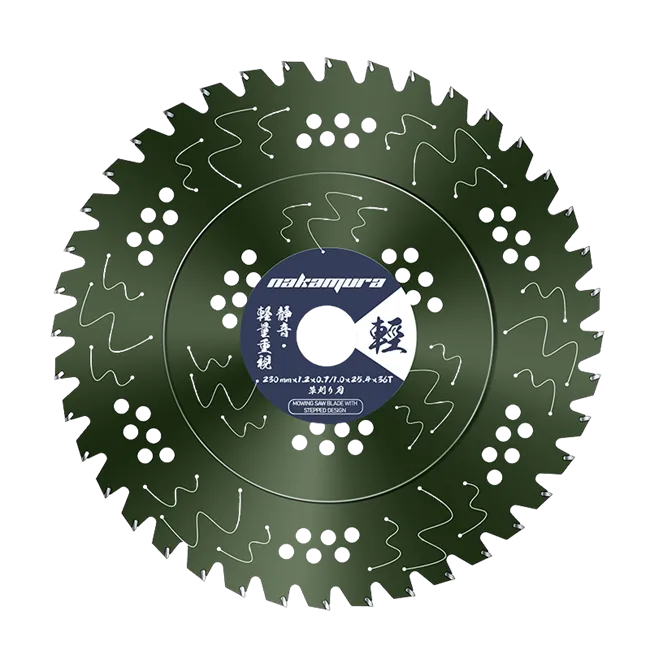
A band saw blade is a cutting tool used to cut various metals and other shaped materials. Renowned for its excellent cutting quality and high precision, it is known as the "hand of the craftsman." Band saw blades are widely used in multiple fields, such as automotive, aerospace, and steel manufacturing. In modern industry, they are frequently used in conjunction with band saw machines.
Carbide Band Saw Blades – Specially for High-Speed Aluminum Cutting
Depending on the material to be cut, band saw blades are available in various specifications and tooth profiles. Common blade specifications on the market include (Width * Thickness, unit: mm):
- 13mm * 0.65mm
- 13mm * 0.90mm
- 19mm * 0.90mm
- 27mm * 0.90mm
- 34mm * 1.10mm
- 41mm * 1.30mm
- 54mm * 1.30mm
- 54mm * 1.60mm
- 67mm * 1.60mm
- 80mm * 1.60mm
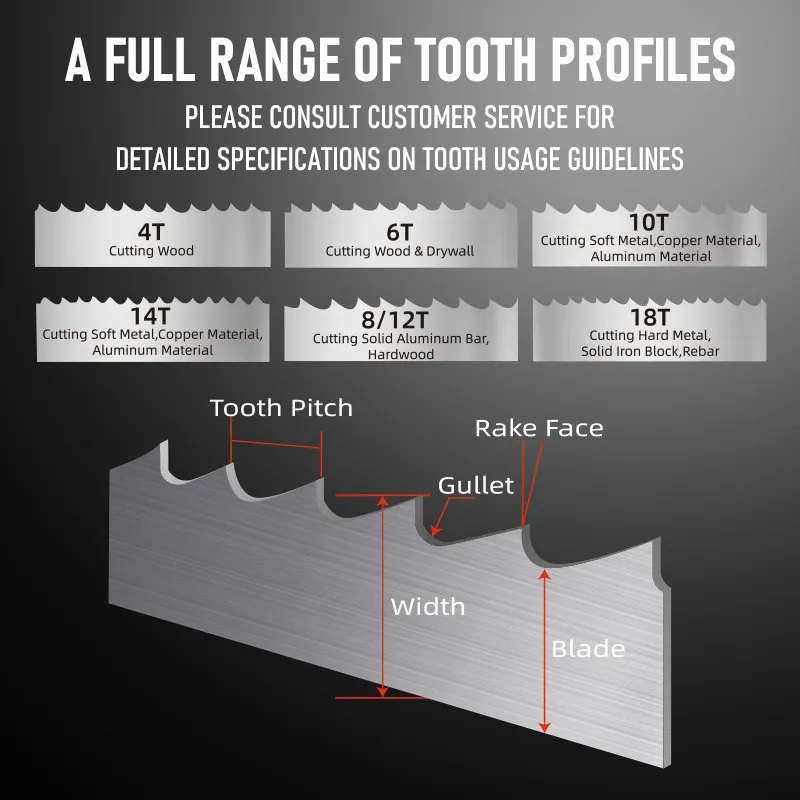
Common Tooth Profiles
In terms of tooth profiles, the most common choices are:
- Standard Tooth (including N-type and 10B-type): A general-purpose tooth profile suitable for the vast majority of standard cutting applications.
- Tensile-Resistant Tooth (P-type): True to its name, its primary function is to resist pulling and tension. The protective step on the clearance angle prevents excessive over-feeding. It is mainly used for sawing hollow and thin-walled materials, such as pipes, tubes, and profiled parts.
- Double Clearance Angle Tooth (07B-type): Featuring two angles on the flank face, it is primarily used for cutting small-sized, thin-walled materials. Its profile complements the tensile-resistant tooth, making it capable of cutting both hard and soft materials.
- High-Low Tooth (D-type): Specially designed for hard-to-cut materials based on the chip-breaking principle. Alternating between high and low teeth effectively reduces sawing resistance and balances the load across different teeth. It is used for difficult materials such as stainless steel, mold steel, and superalloys.
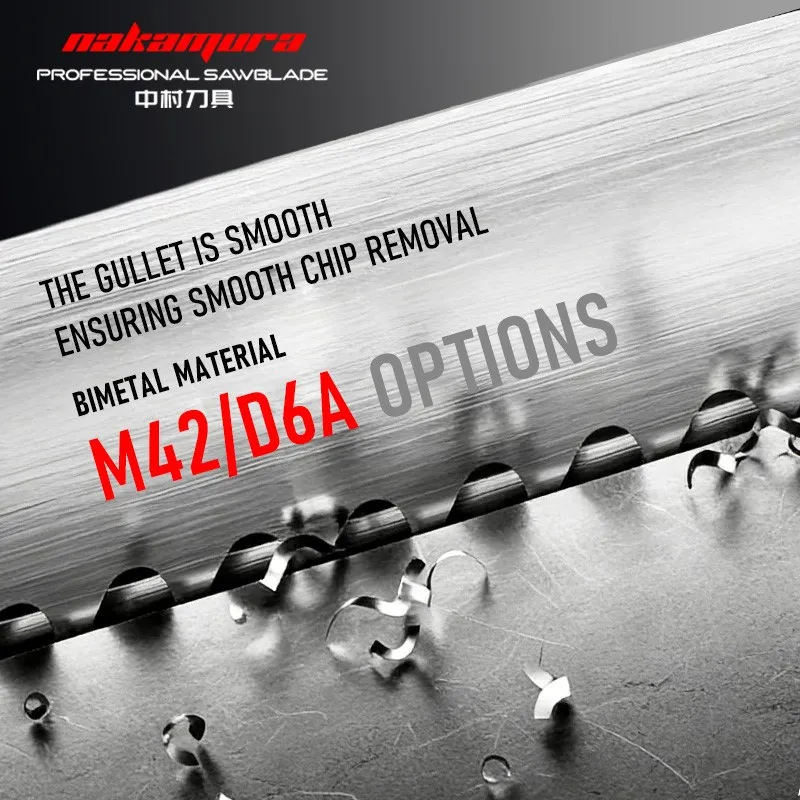
- Positive Rake Angle Tooth (Pt-type): Refers to teeth with a rake angle > 0°. Generally used for larger pitches of 4/6 TPI and above, it delivers high cutting efficiency. However, in environments with heavy impurities or severe vibration, care must be taken to prevent tooth stripping or breakage.
- Radius Back / "Turtle-Back" Tooth (T-type): Offers excellent structural strength but generates relatively higher cutting resistance. It is well-suited for sawing bundles, tubes, and structural profiles.