



If you've ever compared different carbide saw blades, you may have come across the term "set." But what does it actually mean, and why does it matter?
In simple terms, blade set refers to the side clearance created around the cutting teeth. It helps prevent excessive friction between the blade body and the material, allowing smoother cutting and better chip clearance.
However, carbide-tipped saw blades work differently from traditional steel saw blades, so it's important to understand how their tooth geometry creates the cutting width.
1. What Does Set Mean on a Carbide Saw Blade?
On traditional steel saw blades, set is often created by bending alternate teeth slightly to the left and right.
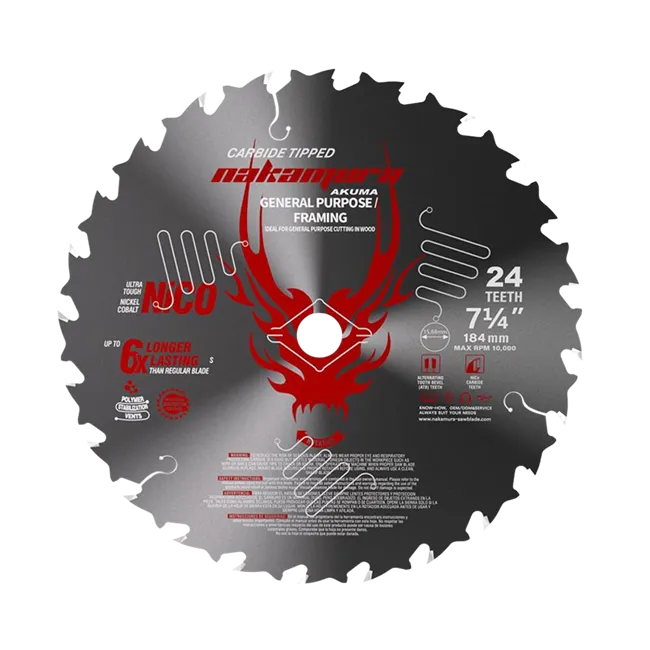
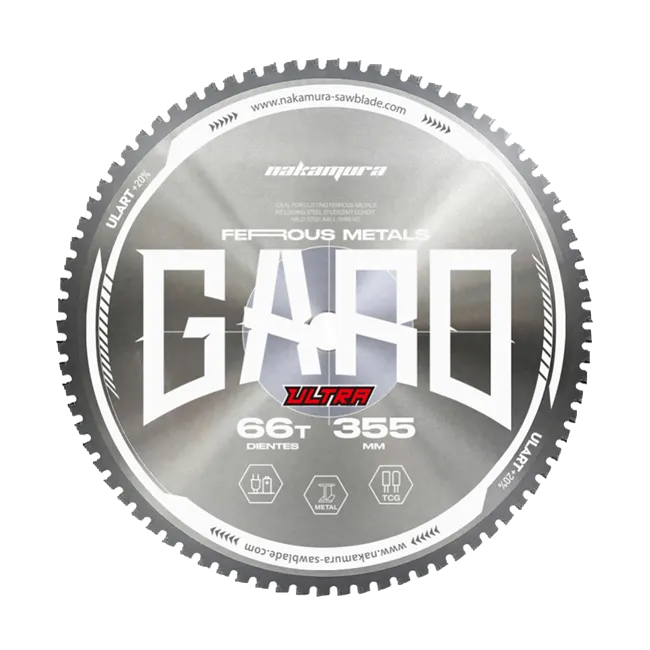
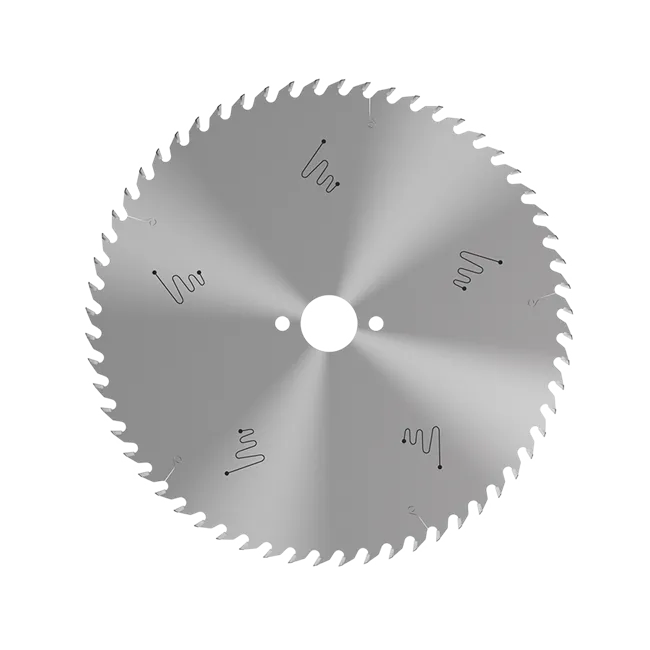
Carbide-tipped saw blades use a different approach. Their carbide tips are brazed onto the blade body and precisely ground to create a cutting width (kerf) wider than the steel plate.
This difference provides the necessary side clearance while keeping the blade body stable.
The cutting width depends on several factors, including carbide tip thickness, grinding geometry, and blade body thickness.
2. Why Is Blade Set Important?
Proper side clearance plays an important role in cutting performance.
Reduced friction: Helps prevent the blade body from rubbing excessively against the workpiece.
Better cutting efficiency: Supports smoother material removal.
Improved cut quality: Helps achieve consistent cutting results.
Longer blade life: Proper tooth geometry and clearance can reduce unnecessary heat and wear.
However, the correct cutting width depends on the material, tooth design, and machine application.
3. Does Blade Set Vary for Different Materials?
Absolutely. Different materials require different tooth geometries and cutting widths.
For example:
Wood: Tooth geometry is selected according to the wood type, cutting direction, and desired finish.
Aluminum: TCG or specialized BT tooth designs are commonly used, depending on the blade application and aluminum profile.
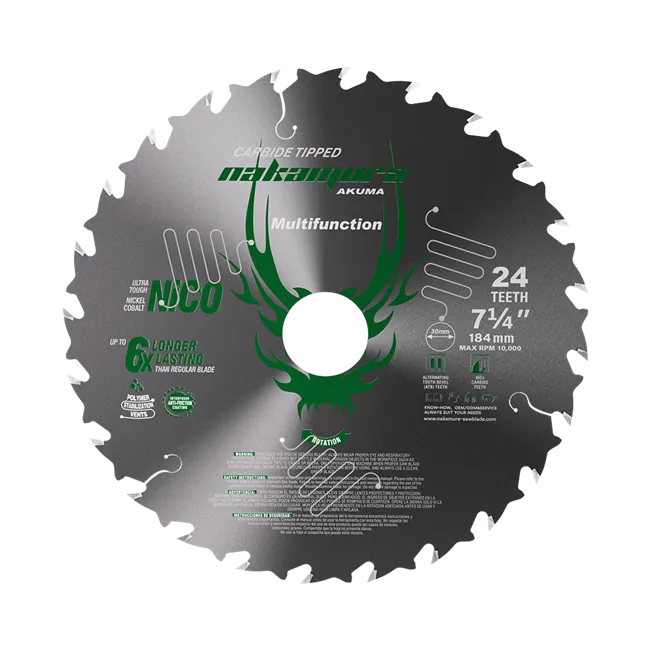
Multiple Materials: Multipurpose blades require carefully selected tooth geometry to handle their intended range of materials.
For example, the Multi Blade Circular Saw 147mm is designed for applications involving wood, metal, aluminum, and plastic.
For larger industrial aluminum cutting applications, the 900mm Saw Blade For Aluminum uses specialized BT tooth geometry.
The Multipurpose Chop Saw Blade is another option for selected wood, aluminum, plastic, and light metal applications.


4. Can You Adjust the Set of a Carbide Saw Blade?
Unlike traditional steel teeth that can sometimes be reset using specialized tools, carbide-tipped teeth should not be bent manually.
If a carbide blade develops poor cutting performance, the problem may involve dull teeth, damaged carbide tips, incorrect grinding, or blade body deformation.
Professional sharpening and inspection are usually the appropriate solutions. If the blade has structural damage, replacement may be necessary.
5. How to Choose a Carbide Saw Blade with the Right Cutting Width
When selecting a carbide saw blade, don't focus only on diameter and tooth count.
You should also consider:
Blade body thickness and carbide tip thickness
Tooth geometry, such as ATB, TCG, or BT
Material being cut
Required cutting finish
Machine compatibility and operating speed
The cutting width should be properly matched to the blade design and intended application.
Conclusion
The set of a carbide saw blade is closely related to its cutting width and side clearance. Unlike traditional steel blades, TCT blades generally rely on precisely ground carbide tips rather than bent teeth.
Choosing the right tooth geometry and cutting width helps improve cutting efficiency, reduce friction, and achieve consistent results.
At Nakamura, we manufacture TCT and PCD circular saw blades for woodworking, aluminum processing, and multipurpose applications. We also offer OEM and ODM customization to meet different cutting requirements.
Contact Nakamura to find the right carbide saw blade for your application.