

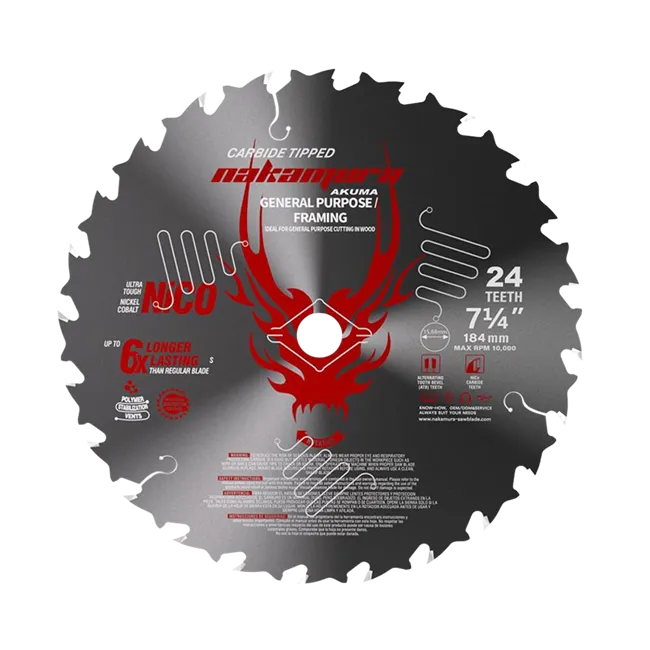
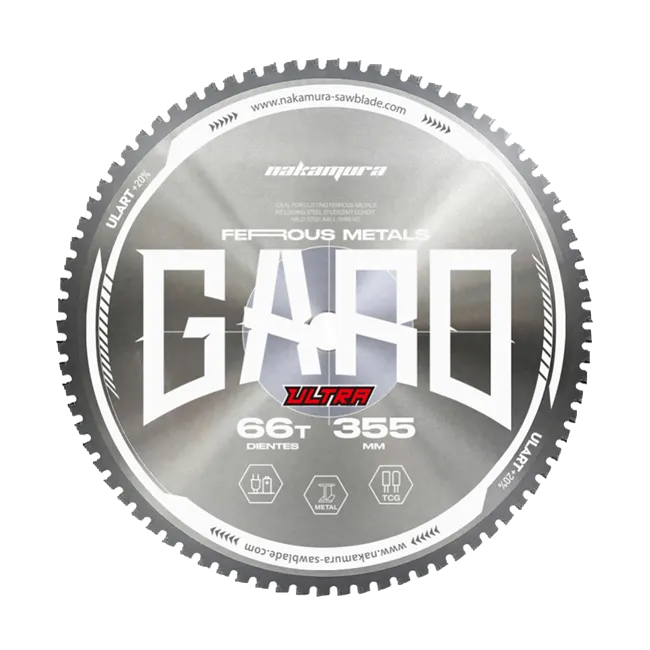
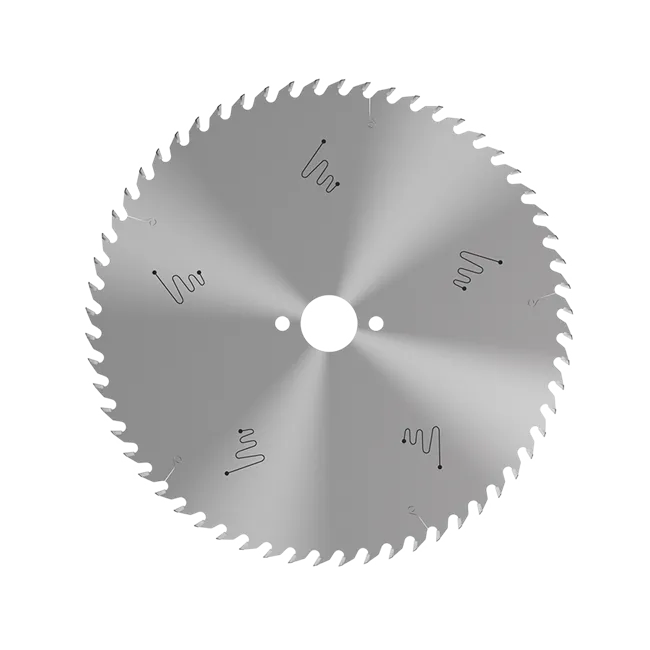
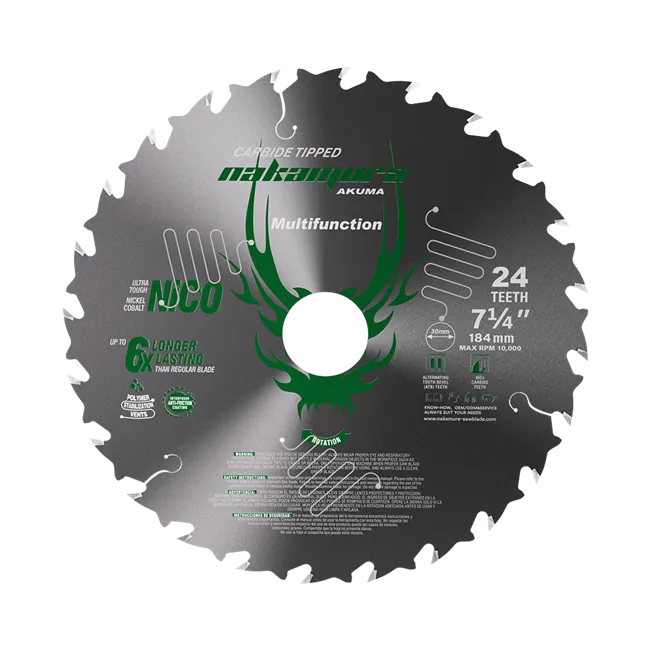


A carbide saw blade must be correctly mounted and aligned to deliver stable cutting performance. Even a high-quality blade can produce excessive vibration, uneven cuts, and premature wear if its mounting surfaces are dirty, its bore does not match the arbor, or the saw spindle has excessive runout.
For professionals working with aluminum profiles, solid wood, and composite materials, proper blade centering is an important part of maintaining cutting accuracy and equipment safety.
What Is Saw Blade Centering?
Blade centering refers to positioning the blade correctly on the saw arbor so that its center bore fits the spindle and the blade sits flat against the mounting flanges.
The blade bore, arbor, and flanges must be compatible and properly maintained. If the blade is mounted incorrectly or debris is trapped between the contact surfaces, it may not rotate as intended.
It is also important to distinguish centering from runout. Runout describes the deviation of the blade as it rotates. Excessive runout can result from a damaged blade, an uneven mounting surface, a worn arbor, or problems with the machine itself.
1. Better Cutting Accuracy and Surface Finish
Correct mounting helps the blade rotate more consistently, allowing its teeth to engage the workpiece as designed.
When excessive runout or vibration occurs, the blade may produce rough edges, uneven cutting marks, or inconsistent dimensions. This can be particularly problematic when cutting aluminum profiles for doors, windows, and other applications where accurate dimensions and clean edges are important.
For these applications, an application-specific Aluminum Circular Saw Blade should be selected according to the machine, material, blade diameter, bore size, and cutting requirements.
2. Longer Blade and Machine Life
Carbide tips are wear-resistant, but they can still chip or break under unsuitable cutting conditions.
Excessive vibration and runout may increase cutting stress and cause uneven tooth engagement. Over time, this can contribute to premature tooth wear and reduce cutting consistency.
Mounting problems can also affect the machine. Persistent vibration may place additional stress on the spindle, bearings, and other components.
Using a compatible blade and checking the mounting condition before operation can help reduce unnecessary wear.
For mixed-material applications, the Circular Saw Blade for Wood and Metal is one option to consider. Always confirm that the blade is suitable for the specific material and machine before use.
3. Improved Operating Stability and Safety
Excessive blade vibration can make a saw harder to control and may affect the quality and consistency of the cut.
A properly mounted blade helps reduce vibration caused by installation problems. However, centering alone cannot eliminate all vibration, since machine condition, blade design, material, and cutting parameters also play a role.
If unusual vibration, noise, or movement occurs, stop the machine and inspect the blade, arbor, flanges, and mounting hardware before continuing.
Never operate a saw with a damaged blade or malfunctioning safety guard.
4. Why Centering Matters in Multi-Blade Applications
In multi-blade cutting operations, mounting accuracy becomes even more important.
Each blade must be compatible with the arbor and correctly positioned using the specified spacers and mounting components. Incorrect spacing, uneven contact surfaces, or unsuitable components can affect cutting consistency and the final dimensions of the workpieces.
For example, the Multi Blade Circular Saw 147mm is a compact multipurpose blade with a 20mm bore and 40 teeth. Its compatibility with the machine and intended cutting application should be checked before installation.


How to Check Blade Centering and Runout
A few basic checks can help identify common mounting problems:
Inspect the arbor and blade bore. Check for damage, deformation, or excessive wear. Make sure the bore size matches the machine spindle.
Clean the mounting surfaces. Remove dust, resin, and metal chips from the flanges before installing the blade.
Check the flanges and washers. Make sure they are the correct components, properly seated, and free from damage.
Install the blade correctly. Follow the machine manufacturer's instructions for blade orientation and tightening.
Check for runout when necessary. A dial indicator can be used to measure lateral runout. Acceptable limits depend on the blade, machine, and application, so there is no single tolerance suitable for every setup.
Follow the manufacturer's test procedure. After installation, make sure the guard is functioning and all tools have been removed before performing the prescribed no-load check.
If runout remains excessive, inspect the machine spindle and mounting components rather than assuming the blade itself is the only cause.
Final Thoughts
Proper blade centering is a small but important part of achieving reliable cutting performance. A compatible arbor and blade bore, clean mounting surfaces, correctly seated flanges, and regular runout checks all contribute to stable operation.
Whether you are cutting aluminum profiles, wood, or mixed materials, taking time to check the blade installation can help improve cutting consistency, reduce unnecessary wear, and support safer operation.